













Sliding door handles: understanding the differences in material, manufacturing and price
A sliding door handle may appear to be a simple element, but in reality there are significant differences between models. Two visually similar handles can have very different prices depending on their material, origin, manufacturing method, level of finish and design.
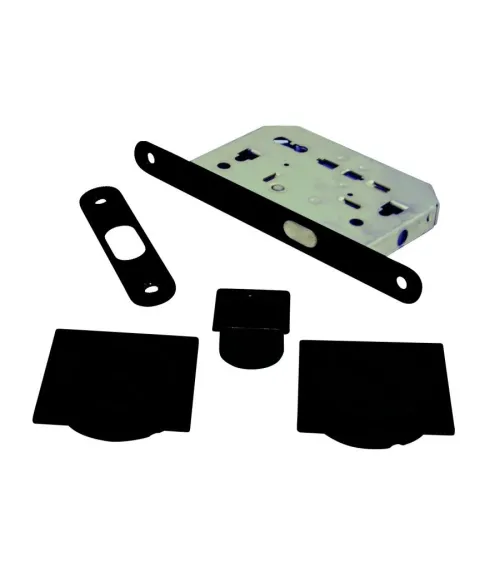
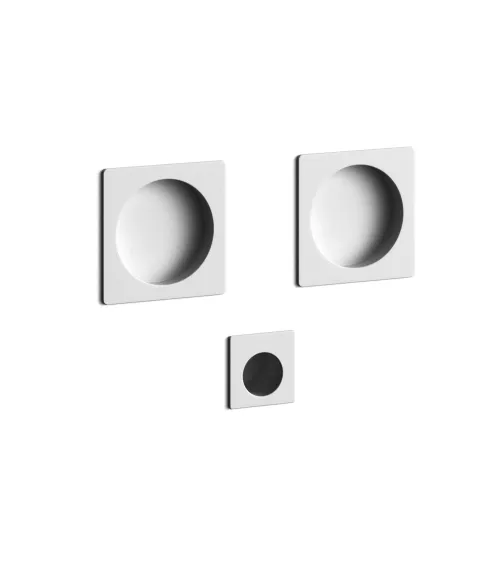
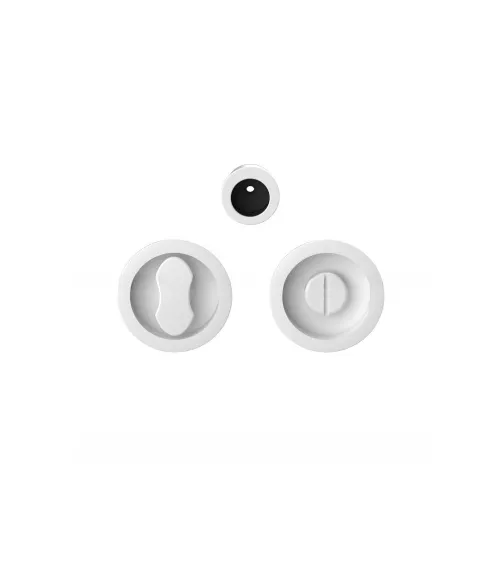
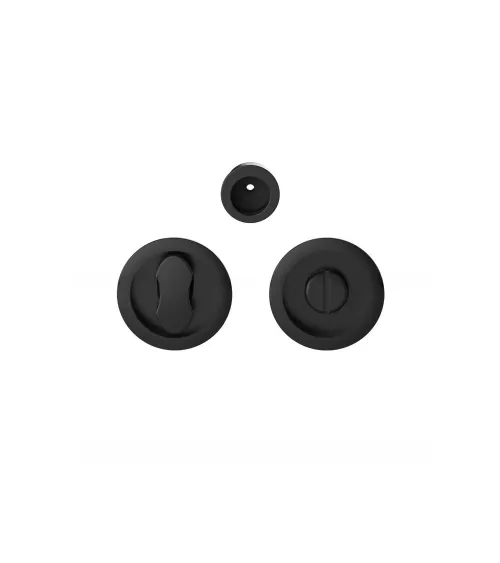
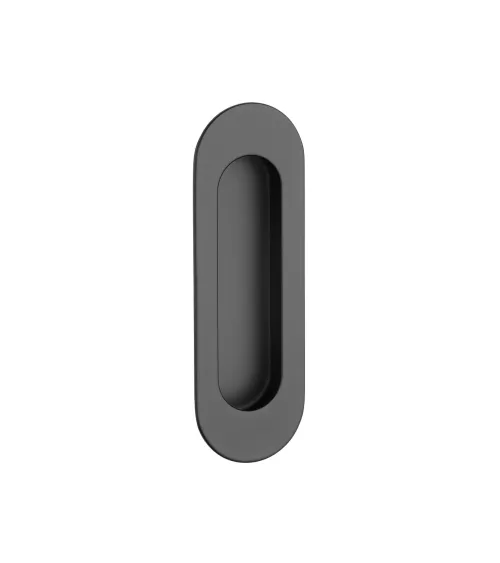
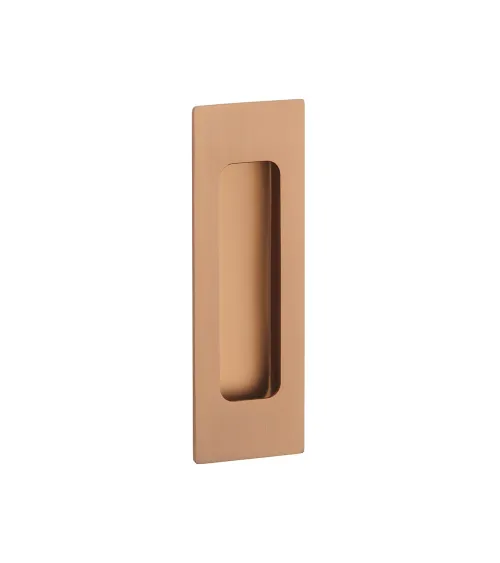
Our selection notably includes recessed handles, cup handles and handles designed for sliding doors, available in several shapes and materials.
What materials are found on sliding door handles?
The main materials found in our selection are brass, zamak, stainless steel and aluminium. Each material has its own characteristics in terms of manufacturing, appearance and cost.
Brass sliding door handles
Brass is often used on more elaborately worked collections, particularly in certain Italian manufacturing. The material itself is generally more costly, but it is above all the transformation and finishing work that can drive the price up.
On certain models, the handle can be manufactured as a single piece. This means the component is shaped from a single piece of brass rather than being made up of several assembled parts. This type of manufacturing requires more work and produces a more visually homogeneous piece.
Italy has recognised expertise in the manufacture of decorative brass hardware. Certain factories still operate with a significant proportion of artisanal know-how, combined with modern industrial processes for machining, polishing, satin finishing or the application of surface treatments.
Zamak handles
Zamak is widely used in interior hardware. It allows precise and varied shapes to be produced whilst generally remaining more cost-effective than certain complex brass manufacturing processes.
However, the quality of a handle should not be reduced to its material. A well-designed, well-assembled and properly finished zamak handle can offer a very good level of quality for everyday use.
Stainless steel handles
Stainless steel is often chosen for its understated and contemporary look. Depending on the model, it can be used to create handles with a minimalist, modern or more technical design.
The price here again depends on the type of manufacturing, the quantity of material used, the finish and the complexity of the product.
Aluminium handles
Aluminium allows the production of lightweight and contemporary models, with a wide range of finishing options. It can represent an interesting solution when looking for a modern design with a more controlled budget.
Why are some sliding door handles much more expensive than others?
The price never depends on a single criterion. Several factors come into play:
- the material used: brass, zamak, stainless steel or aluminium;
- the quantity of material required for manufacturing;
- the origin and place of manufacture;
- the level of artisanal or industrial workmanship;
- single-piece or multi-part assembly construction;
- the quality of the assembly;
- the number and quality of fixing or assembly points depending on the product design;
- polishing, satin finishing, brushing or other finishing operations;
- the type of surface treatment;
- the complexity of the design and shapes;
- the overall visual finish level.
It is the combination of all these factors that helps explain why an apparently simple handle can cost noticeably more than another model.
Does the origin influence quality and price?
Yes, the origin can have an impact, notably because manufacturing methods and industrial traditions are not the same from one country or factory to another.
We work with various European manufacturers, notably French and Italian. Certain Italian factories are particularly specialised in brass work and decorative hardware. They often combine historical expertise, local manufacturing, design and more advanced finishing operations.
Other manufacturers offer collections in zamak, stainless steel or aluminium, with more industrial manufacturing and more controlled costs. This makes it possible to offer different product ranges without necessarily sacrificing design or functionality.
Is a more expensive handle necessarily better?
Not necessarily in absolute terms. A more expensive handle may cost more because it uses more material, a more costly material, more complex manufacturing or a more elaborate finish.
But the right choice depends above all on the project. For certain applications, a zamak or stainless steel model will be perfectly suited. For a more high-end project or when looking for a more elaborately worked piece, a brass construction or one with more artisanal craftsmanship may be more appropriate.
Does design also affect the price?
Yes. The more complex a shape, the more moulding, machining, polishing or finishing work it may require. A very simple handle to produce will not demand the same level of manufacturing as a sculpted, elaborately worked piece or one designed in a more specific form.
The final price therefore reflects both the material, the manufacturing work and the level of design.
Which sliding door handle should you choose?
To choose well, you must above all define what you are looking for: an accessible budget, a specific material, higher-end manufacturing, a particular design or a specific finish.
A brass handle made in Italy can impress with its material craftsmanship and level of finish. A zamak, stainless steel or aluminium model, on the other hand, can offer a more accessible solution that is perfectly suited to many projects.
The most important thing is therefore to compare models not only on their appearance, but also on their material, origin, manufacturing and level of finish.
To go further, you can also consult our guide: which handle to choose for a sliding door?