


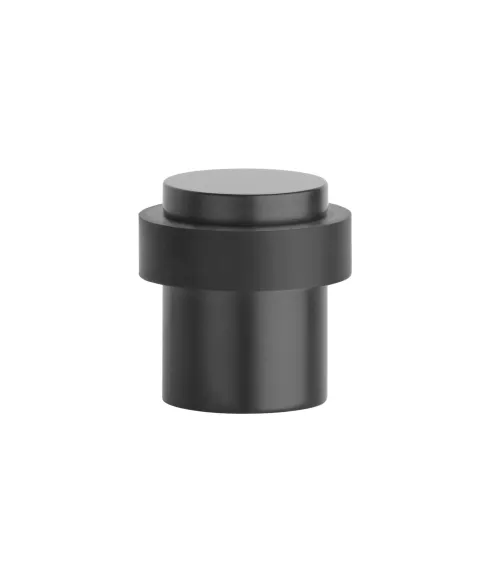


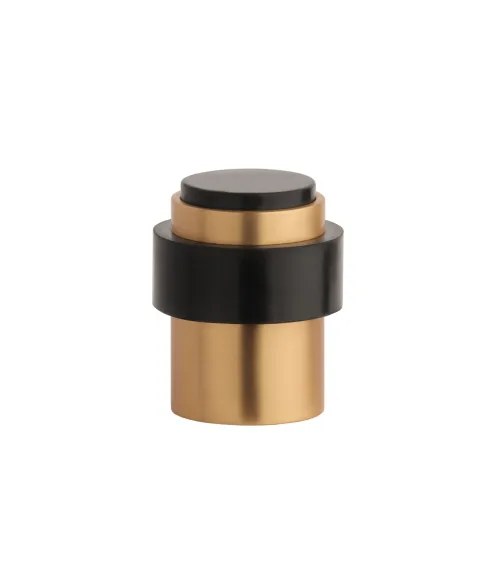

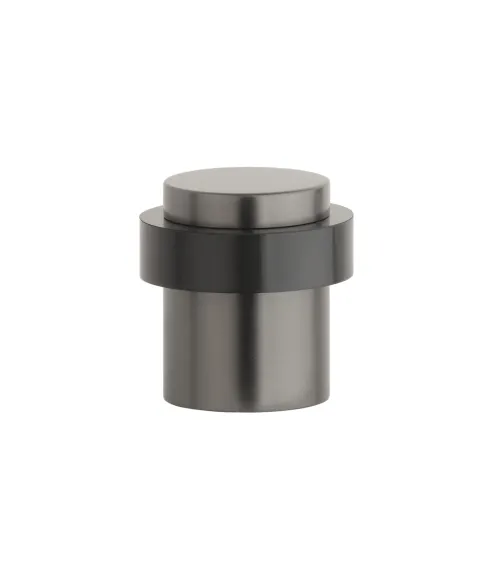


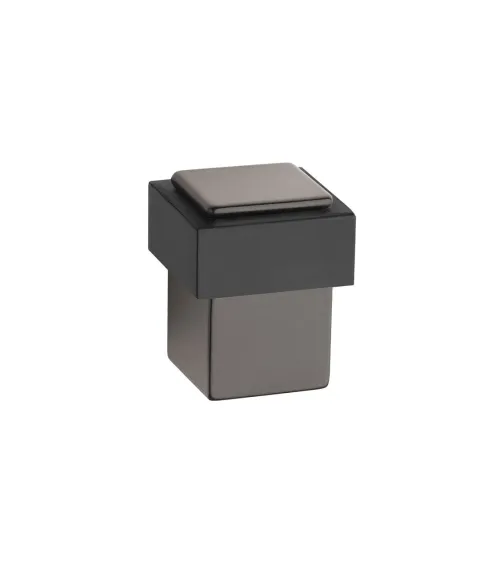



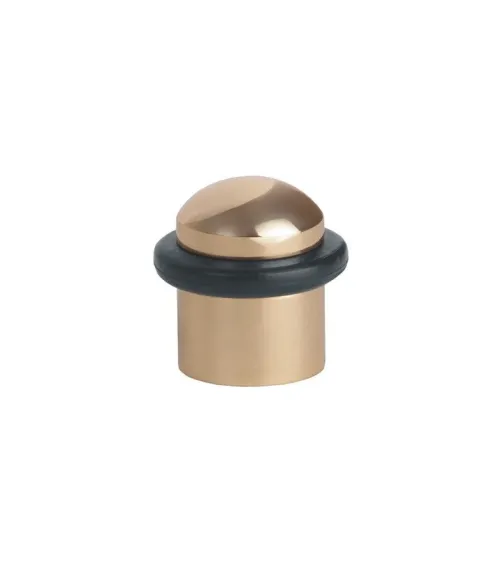
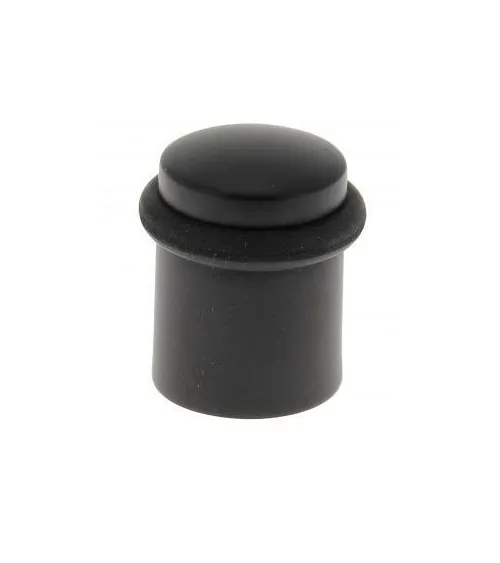

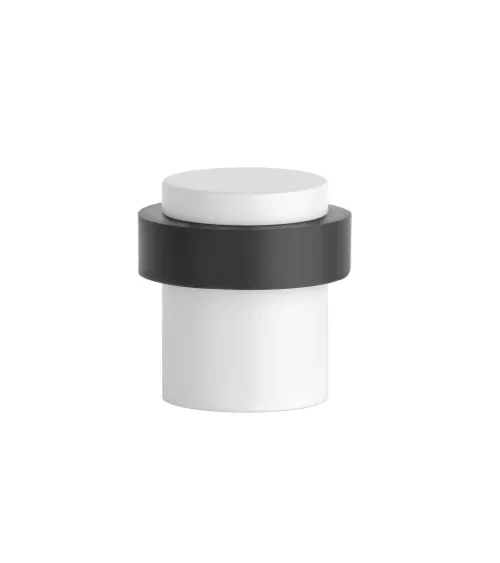


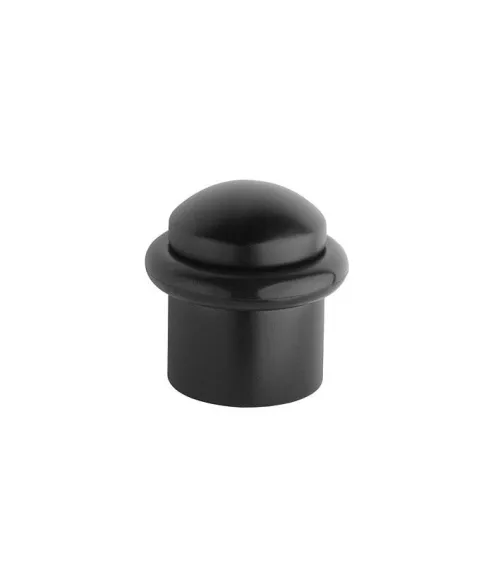
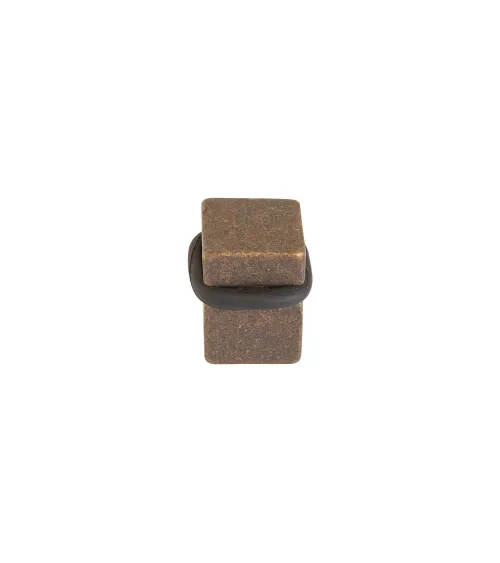


Stop door slamming and protect your walls in style!
Discreet yet essential, the door stop protects walls and skirting boards from the repeated impact of door handles. Whether wall-mounted, no-drill or magnetic, the door stop adapts to every type of door (hinged, sliding, French door…).
Whether you are looking for an anodised aluminium exterior door stop, a zamak door blocker or a black rubber door stop, you will find the finish to suit your needs. Some models are adhesive, others require screwing or floor fixing with wall plugs and screws. Discover the Milla Handles range!
What is a door stop for?
A door damper, also called a door stop, prevents the door from knocking against the wall, the skirting board or a piece of furniture. It halts the movement before the handle damages the surface. It reduces slamming noise and protects the opening mechanisms of hinged, sliding or wardrobe doors.
Some versions, such as the magnetic door stop, combine door arrest and temporary locking thanks to an integrated magnet. These small accessories reduce wear, secure passageways and contribute to everyday comfort, particularly in locations fitted with heavy doors, glazed panels or security doors.
Learn more about the uses of a door stop
The different types of door stops
Decorative hardware offers a wide range of door stops, suited to every use, finish and fitting type. Whether it is a wall-mounted, floor-mounted, magnetic or spring model, each door stop has specific characteristics to effectively halt your doors.
* Wall-mounted door stop: Screwed or glued, it is placed directly against the wall. Some models in chrome, brass, stainless steel or white plastic blend discreetly into the décor.
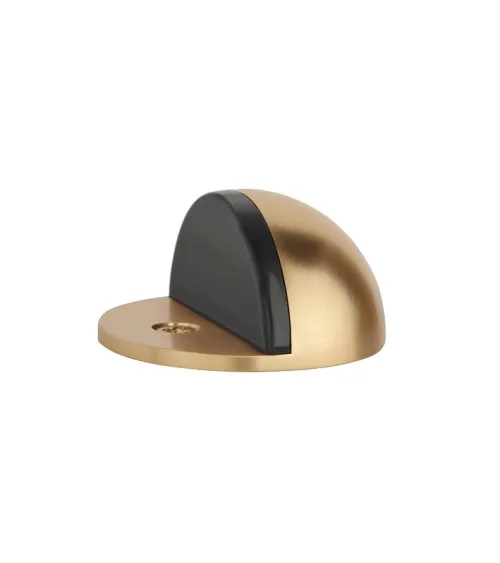
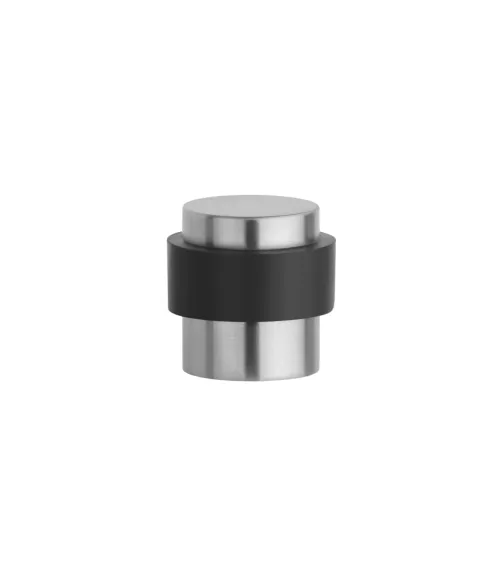
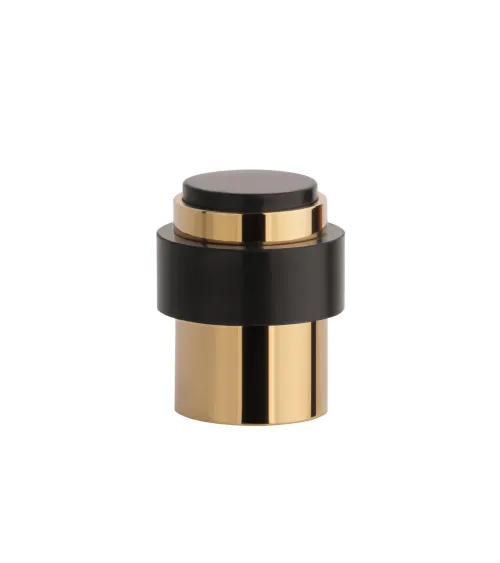
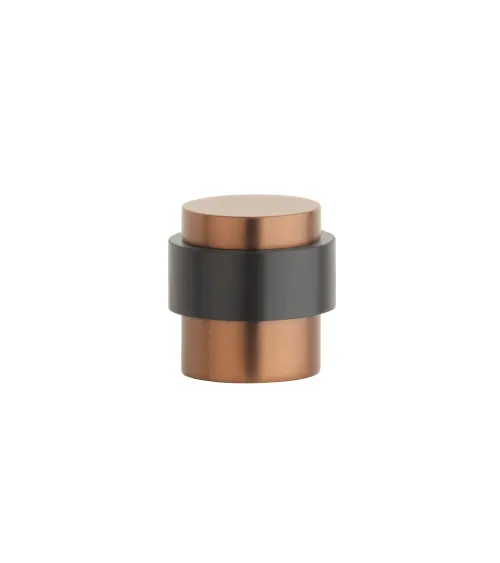
* Floor-mounted door stop: Fixed to the floor with wall plugs and screws, it absorbs the opening of a heavy or glazed door. It can be made of zamak (aluminium and zinc alloy), beech, aluminium or PVC, with a rubber tip for better grip.
* Magnetic door stop: It holds the door via a magnetic system between the base and the handle. Very practical for keeping a door open without any visible accessory.
* Spring door stop: Often made of steel or polyamide, it absorbs the impact with a rebound effect thanks to its elastomer or nylon spring.
The door stop, a decorative accessory
The door stop is not limited to its technical damping function: it is also a decorative element.
Available in satin, varnished, polished chrome or lacquered finishes, it pairs with your designer door handles, skirting boards and floor coverings. Some coloured models such as gold-coloured door stops or anthracite-coloured door stops add style to your room.
Textured door stops (wood, stainless steel, oak, galvanised steel) can echo the style of your storage furniture, window or sliding door.
A wall door stop greatly contributes to the aesthetic look of your décor, becoming a design element in its own right in a hallway, bedroom or contemporary bathroom.
Installing a door stop: how to do it?
Installation varies depending on the model:
* An inexpensive wall-mounted door stop is fitted with screws and wall plugs on the wall at the point where the handle comes to a stop.
* A floor-mounted door stop requires fixing to the floor: drill with a drill or power tool, insert the wall plugs, then screw in the base.
* A no-drill door stop (self-adhesive) is glued onto a clean floor surface.
Remember to check the correct centre distance, the presence of a skirting board and the weatherproofing if you are fitting it on an exterior door.
The ideal height for fitting a wall-mounted door stop depends primarily on the position of the door handle. As a general rule:
* For a wall-mounted door stop, it is installed at the same height as the handle, approximately 90 to 105 cm from the floor. This allows it to absorb the impact of the lever handle against the wall.
* For a floor-mounted door stop, the question of height does not arise: it is placed directly on the floor, at the point where the door comes to a stop (often a few centimetres from the wall or a piece of furniture).
In all cases, the door stop must be aligned with the door's contact zone to effectively protect the skirting board, wall or furniture from repeated impacts.
Where should a door stop be used?
Door stops are used on all interior or exterior joinery:
In the hallway, to prevent a wooden or aluminium door from damaging a piece of furniture or a partition wall.
In the bathroom, with an adhesive or stainless steel door stop to resist humidity.
In wardrobes or bedroom doors, to prevent the handle from knocking.
In passageways, to hold doors open during draughts or to prevent them from slamming.
Do not hesitate to fit a door stop on your exterior doors to protect the façade or exterior wall from the repeated impacts caused by the door opening, particularly if it is exposed to the wind, which will extend the service life of hinges, pivot hinges or handles. For exterior use, opt for floor-mounted door stops in stainless steel or anodised aluminium that are weather-resistant.
Installing a door stop, whether interior or exterior, is a simple act that protects your walls, handles and joinery on a daily basis. Discreet yet essential, the door stop combines protection, comfort and sometimes even a decorative touch depending on the model chosen. Our practical guide to choosing the ideal door stops for your home will help you make the right choice for each room and door type.