















Kitchen furniture knobs and handles
Kitchen furniture knobs and handles play an essential role in the comfort of use and the style of the room. Used every day on drawers, pan drawers, cupboards, tall units and columns, they must be both pleasant to grip, suited to the door fronts and consistent with the décor.
At Milla Handles, we offer a wide selection of kitchen handles, furniture knobs, pull handles, long handles, T-bar handles and cup handles. Our collection brings together contemporary, classic, retro, minimalist and more original designs, with a wide range of dimensions, materials and finishes.
Depending on the product, models can be made in brass, bronze, zamak, aluminium, steel, 304 stainless steel, iron, genuine wood, porcelain, leather, concrete or natural stone. Some pieces are crafted artisanally or by hand, while others come from European manufacturers specialising in furniture hardware.
How do you choose a kitchen furniture handle?
The choice depends on the type of door front, its dimensions and its use. A small cutlery drawer does not require the same grip as a large pan drawer or a tall storage unit.
Before ordering, check:
- the number of fixing points;
- the centre-to-centre spacing of the existing holes;
- the total length of the handle;
- its projection from the door front;
- the space available for fingers;
- the thickness of the furniture and the required screw length;
- any marks left by the old handle that need to be covered.
A handle may look right aesthetically without matching the existing holes. The dimensions stated on the product page must therefore be checked before replacing or drilling.
Knob or kitchen handle: which should you choose?
The furniture knob
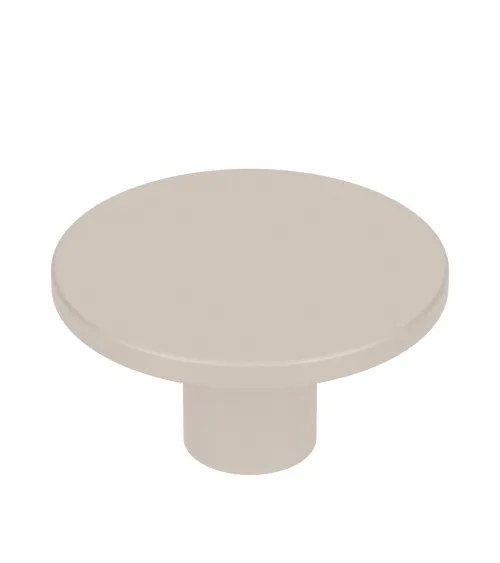
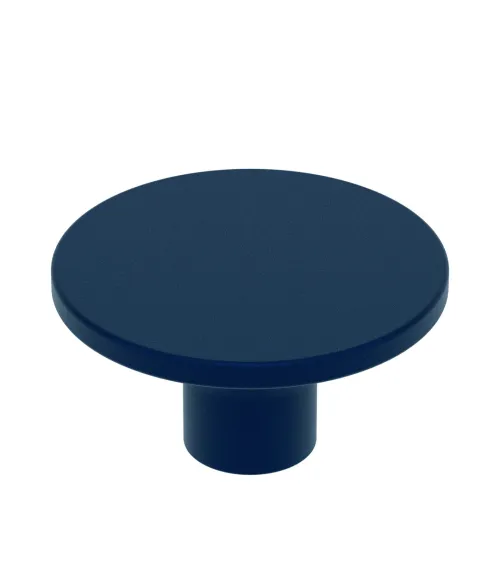
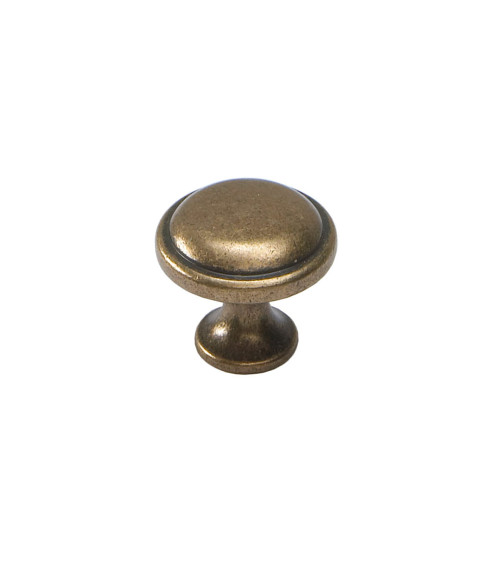
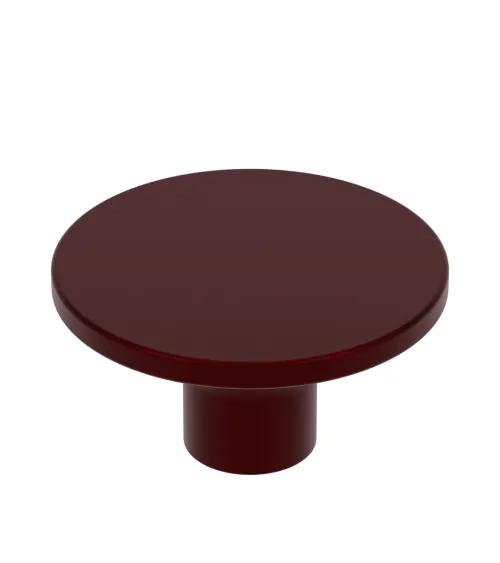
The kitchen knob is generally fixed with a single screw. Compact, it is suitable for small drawers, tall units and doors of reduced dimensions.
Round, square, cylindrical, sculpted or decorative, it can become a genuine decorative element. Knobs in porcelain, wood, brass, bronze or stone add particularly more material interest to the furniture.
The pull handle
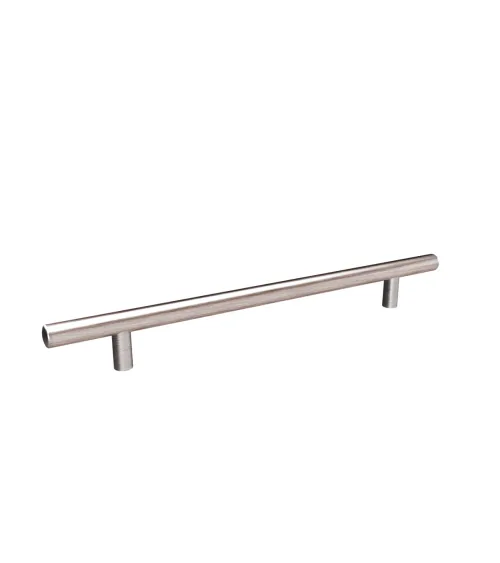
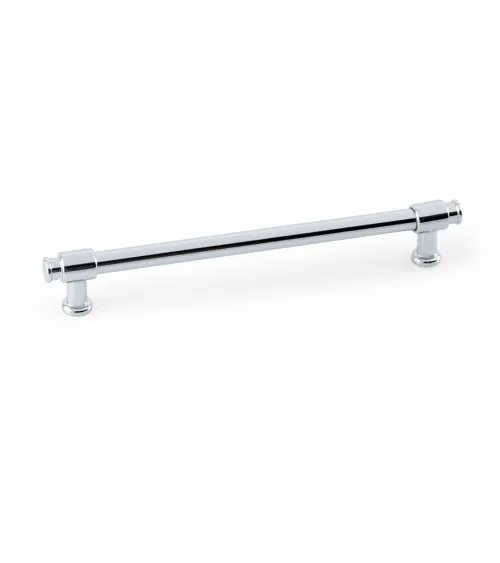
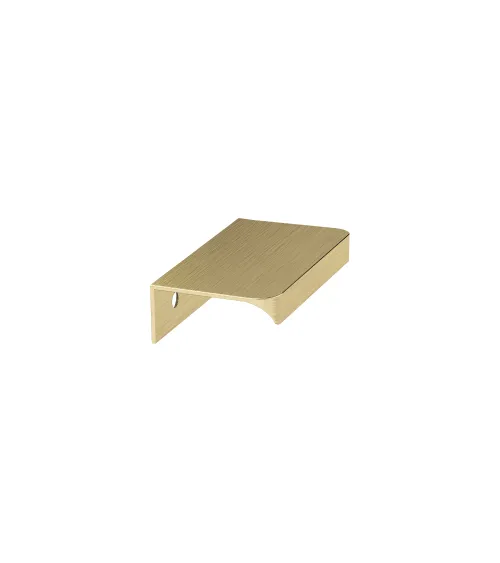
The pull handle is generally fixed at two points and offers a wider grip. It is particularly suited to drawers, pan drawers, cupboard doors and frequently used furniture.
Some collections are available in several centre-to-centre spacings. This makes it possible to use a short handle on small door fronts and a longer version on large drawers while keeping the same style.
The long handle
A long handle can emphasise the width of a pan drawer or the height of a tall kitchen unit. It also allows you to grip the door front at different points.
However, its dimensions and projection must be checked to ensure it does not obstruct the opening of a neighbouring unit, a dishwasher or a drawer in a corner.
The T-bar handle
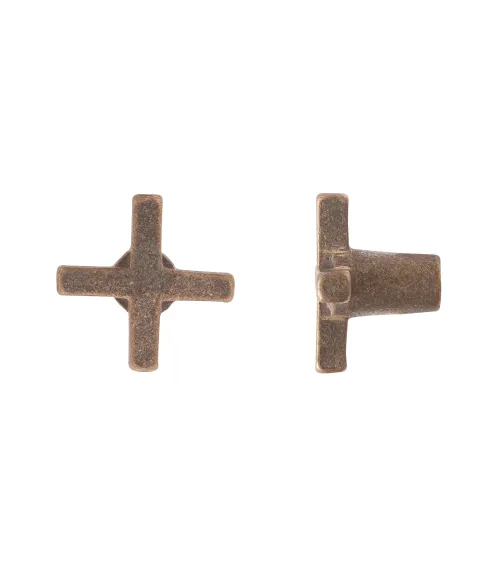
The T-bar handle combines a single fixing point with a wider grip than a standard knob. It suits small drawers, doors and tall units and allows a graphic look without making two holes.
The cup handle
The cup handle is particularly suited to retro, industrial, classic or trade-furniture-inspired kitchens. Its curved shape allows you to slide your fingers under the handle to open the cabinet.
When replacing, check the centre-to-centre spacing but also the dimensions of the base so that it correctly covers the old holes and marks.
Which handle should you choose for a drawer or a pan drawer?
For a small kitchen drawer, a knob or a short handle may be sufficient. For a wide or deep pan drawer, a handle offering a larger grip may be more comfortable.
On a large door front, you can choose a long central handle, two symmetrically positioned knobs, or a handle from the same collection with a larger centre-to-centre spacing.
In all cases, positioning must be precise in order to maintain a consistent alignment across the whole kitchen.
Which handle for a kitchen cupboard door?
On a hinged door, the handle is generally positioned on the side opposite the hinges. A knob can suit a small kitchen cupboard, while a pull handle offers a wider grip on a large door.
On two side-by-side doors, check that the handles are positioned at the same height, that they do not touch each other and that they leave enough space for fingers.
How do you measure the centre-to-centre spacing of a kitchen handle?
The fixing centre-to-centre distance is the measurement between the centres of the two fixing holes. This measurement is essential when you want to replace a handle without re-drilling the door front.
The centre-to-centre spacing is not the same as the total length of the handle. Two models with the same centre-to-centre spacing can have very different lengths and shapes.
To measure correctly:
- remove the old handle;
- measure centre to centre between the two holes;
- compare this measurement with the centre-to-centre spacing stated on the product page;
- then check the total length and the width of the bases.
If your furniture has only one hole, choose a knob or a handle designed for single-point fixing.
Replacing the handles on an old kitchen
Replacement is particularly straightforward when the new handle has the same centre-to-centre spacing as the old one. However, the size of the bases must also be compared.
A new handle may use the same holes while still leaving the marks of the old model visible if it is smaller.
Before fitting the whole kitchen, we recommend testing one piece to check:
- the centre-to-centre spacing;
- the dimensions;
- the grip;
- the ability to cover old marks;
- the actual colour on your door fronts.
What material should you choose for your kitchen handles?
Brass handles
Brass brings a warm tone and suits both classic kitchens and contemporary interiors.
It can be polished, brushed, satin, patinated, varnished or unvarnished depending on the model. Unvarnished brass evolves naturally and gradually develops a patina through contact with air and handling.
Bronze handles
Genuine bronze adds more character. It is particularly suited to classic and retro kitchens and to projects seeking a more authentic look.
Our selection includes bronze handles and knobs made in Europe. Slight variations in shade or surface finish can contribute to the character of the material.
Zamak and aluminium
Zamak allows a wide variety of shapes and finishes to be created: black, gold, chrome, copper, anthracite or more unusual colours depending on the collection.
Aluminium makes it possible to create slim, long or minimalist handles, particularly suited to contemporary kitchens.
Steel and stainless steel
Steel or stainless steel handles offer a clean, modern look that pairs easily with kitchen appliances or other metal elements in the kitchen.
The exact material must always be verified on the product page: a "stainless steel look" finish does not necessarily mean the handle is made from stainless steel.
Wood handles
Genuine wood handles bring a natural and warm feel. They pair particularly well with a white, beige, green or wood kitchen.
As wood is a natural material, its grain and colour may vary slightly from one piece to another.
Porcelain knobs
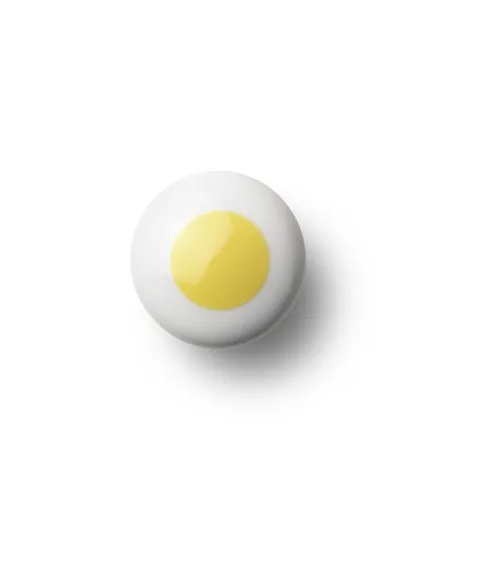
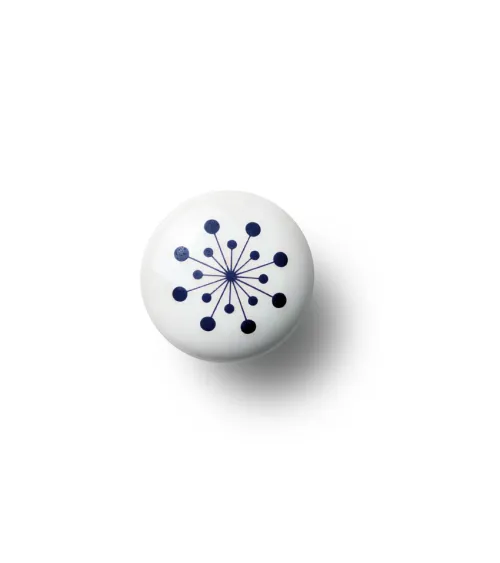
Porcelain knobs make it easy to add colour, a pattern or a retro touch to the kitchen. Some pieces are made or decorated by hand and may show slight variations.
Black, gold, chrome or colour: which finish should you choose?
A black kitchen handle creates a strong contrast on white, light wood or coloured door fronts. On a black kitchen, it instead produces a more understated result.
Gold handles in brass or gold-effect finish add warmth and pair easily with white, black, green or blue kitchens.
Chrome, nickel or stainless steel-effect finishes offer a more contemporary look, while coloured handles allow you to personalise a more understated kitchen.
Please note: a finish bearing the same name may show a slight difference in shade depending on the manufacturer, the material and the production process. For a consistent result, it is preferable to choose all handles from the same collection and the same finish.
Kitchen handles made in Europe
The Milla Handles selection brings together the work of various European workshops and manufacturers. Depending on the product, some pieces are industrially produced in order to offer a wide range of centre-to-centre spacings and finishes, while others are handmade or produced in small batches.
Our collection includes contemporary handles in zamak or aluminium made in Europe, bronze pieces made in Belgium, as well as porcelain knobs, wood handles and pull handles that, depending on the model, benefit from artisanal craftsmanship.
How do you care for kitchen handles?
Kitchen handles are frequently exposed to fingerprints, steam and splashes. Gentle cleaning helps preserve their finish.
Generally use a soft, slightly damp cloth, then dry the surface. Avoid abrasive sponges, solvents, harsh detergents, vinegar, bleach and limescale removers on decorative finishes.
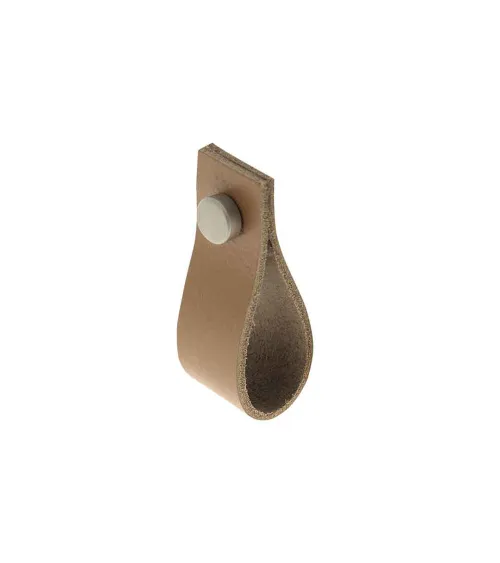
Wood, leather, unvarnished brass, porcelain or stone may require different care. The recommendations on the product page therefore take priority.
Refresh a kitchen by changing the handles
Changing the handles is a simple way to transform the look of a kitchen without replacing the furniture.
Black or geometric handles can modernise classic door fronts. Brass, bronze or wood adds more warmth. Porcelain knobs or coloured handles allow you to create a more original décor.
For a characterful renovation, also discover our handles and knobs for antique and vintage furniture as well as our original furniture handles and knobs.
Ordering your kitchen handles correctly
Before ordering, count precisely the doors, drawers, pan drawers and tall units to be fitted. Also check the unit of sale stated on each product page.
For a complete project, ordering one handle first allows you to check the colour, the grip, the dimensions and compatibility with your door fronts before fitting the whole kitchen.
Discover our collection of kitchen furniture handles, kitchen knobs, pull handles, long handles and cup handles in a wide range of materials, dimensions and finishes.
Also discover our drawer handles, our cupboard handles and all our furniture handles and knobs.