


.jpg)
.jpg)

Door handle for a child or elderly person: what to choose?
Handles for everyone: an intergenerational comfort challenge!
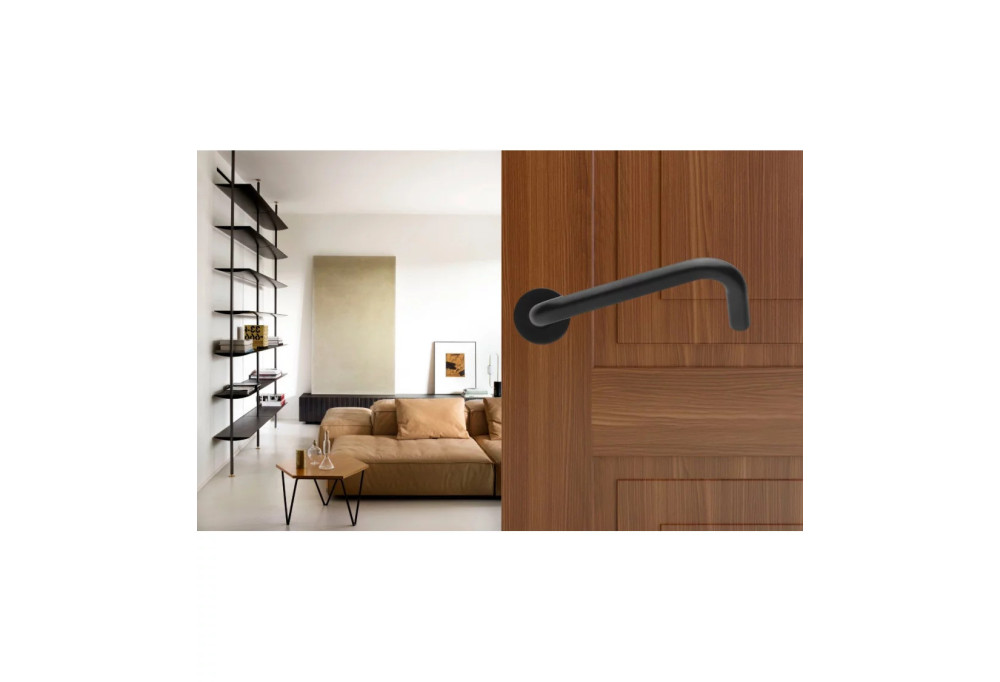
Handles for everyone: an intergenerational comfort challenge!
Safety, ergonomics, accessibility: choosing a door handle for a child or an elderly person means guaranteeing comfortable, safe use that is suited to reduced mobility. Find out how to select the most appropriate handle models, combining design, comfort and PMR accessories.
One handle, two generations: the same requirements for comfort and safety!
Why group children and elderly people together when choosing door handles?
Although very different, children and elderly people share similar needs in terms of safety, comfort and accessibility. In both cases, mobility, grip strength and motor coordination may be limited.
An ergonomic handle, easy to operate and free from sharp edges or overly complex mechanisms, is therefore equally suited to a child's small hand and a hand weakened by age.
By addressing both groups together, we highlight the importance of hardware suited to all ages, designed to support everyday gestures in complete safety.
Handle for children: safety and prevention

Ideal characteristics:
* Ergonomic handle with a rounded shape (avoids impact) and a soft grip for small hands.
* Models with no sharp angles or cutting edges.
* Sturdy fixings (with a rosette or wall plate) to prevent misalignment in the event of repeated pulling.
* Adjustable height or lower installation if the child uses it frequently (in a nursery, for example).
Pro tip:
Integrate secure locks or removable latch systems in sensitive rooms (bathroom, fitted kitchen), while maintaining a lock accessible to an adult (e.g. a lever with a rotating lock on the interior side).
l
Handle for elderly people: comfort, ergonomics and PMR standards
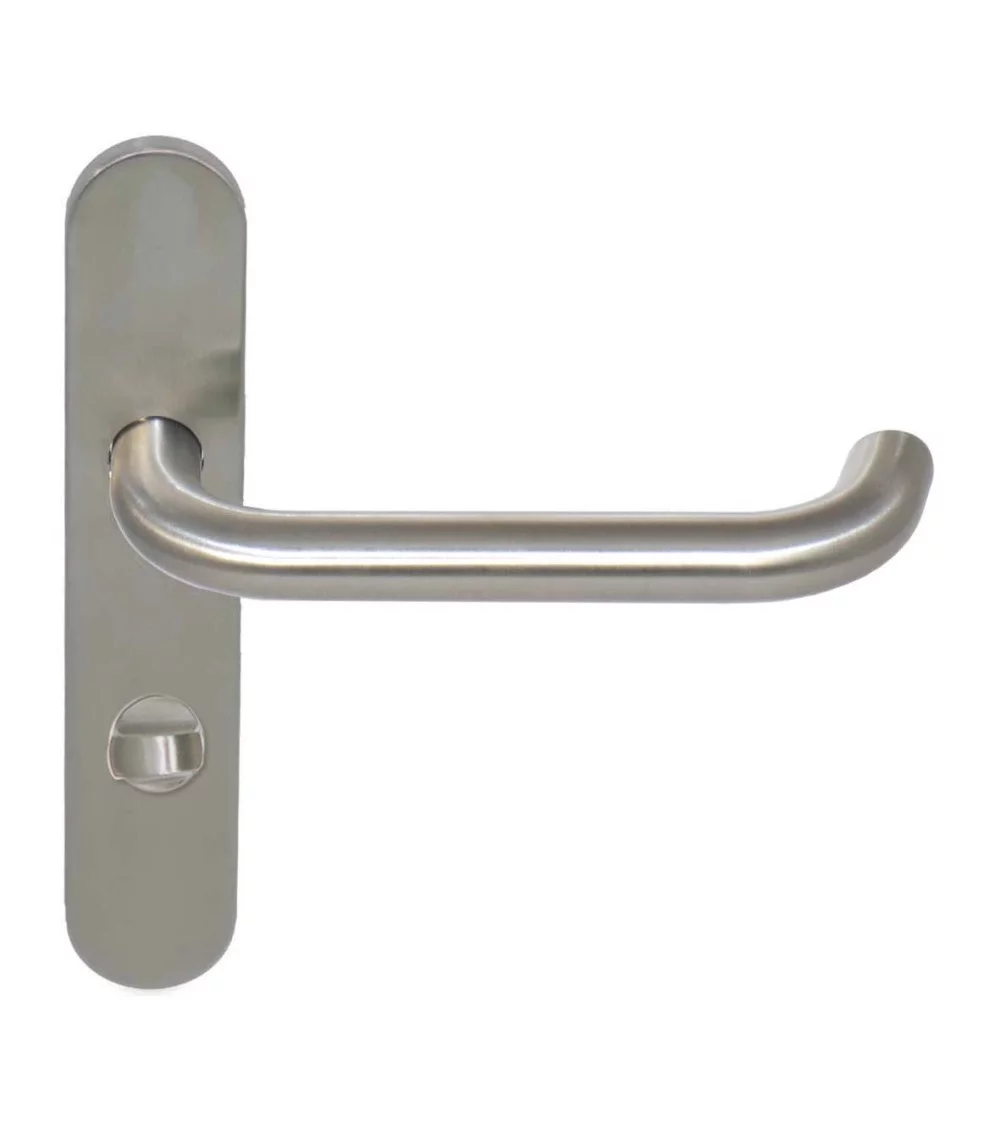
Elderly people, sometimes with reduced mobility, must be able to use handles without pain or effort. This requires:
Technical tips:
* Ergonomic handle, with a wide and comfortable grip (ideally anatomical in shape, compatible with joint pain).
* Long lever handle, or angled model, which operates without forced rotation of the wrist or forearms.
* Non-slip surface (satin or textured) to prevent slipping, even when hands are damp.
* Fitting height compliant with PMR standards: between 90 and 130 cm from the floor, with free space around the wrist to assist with walking.
* Spring-return handle: facilitates automatic locking gently, without impact.
Practical examples:
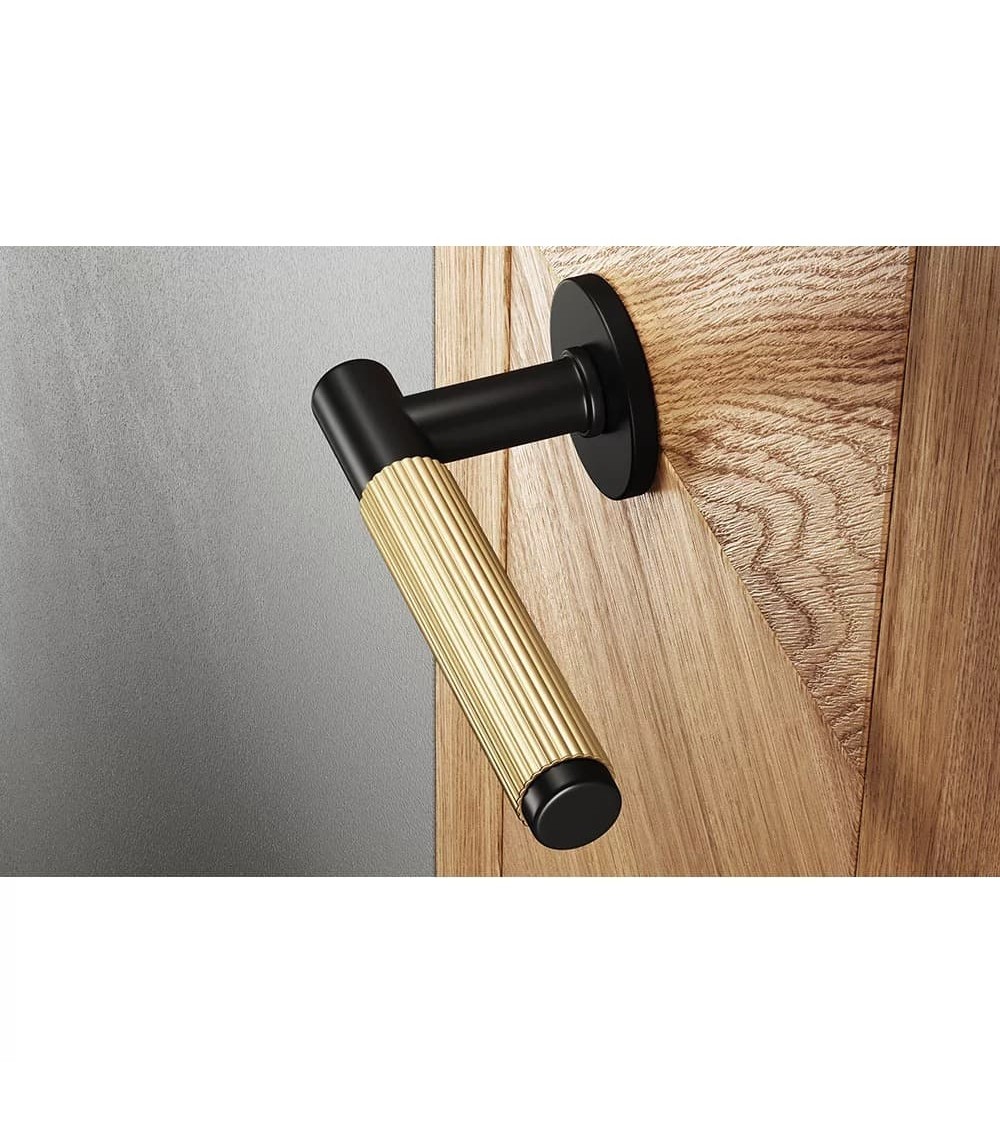
Black and gold lever handle on a round rosette with a non-slip surface for frequent use.
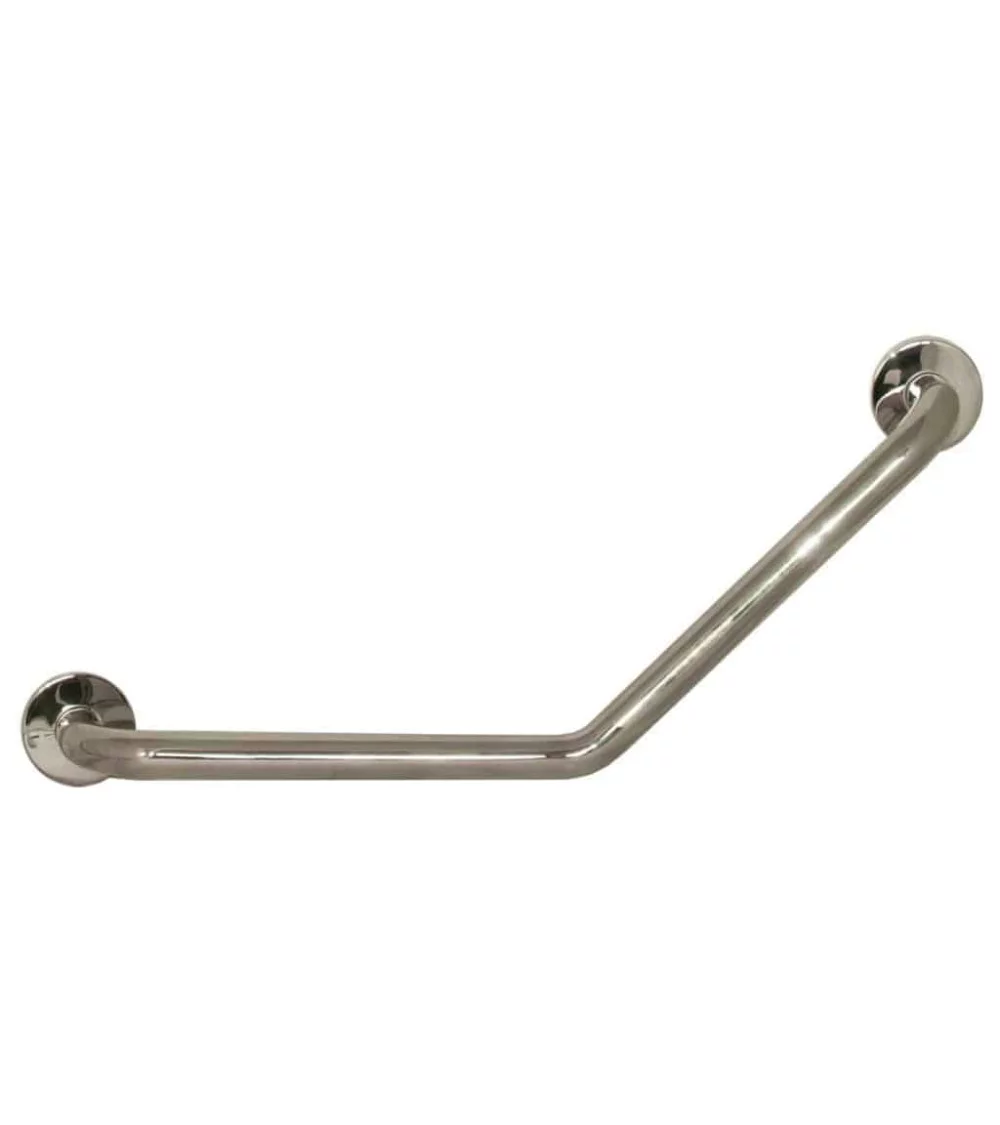
Chis angled chrome stainless steel grab bar can be combined with a folding shower chair
Criteria for choosing a handle for children or elderly people
Ergonomics and grip
It is crucial to opt for ergonomic handles, as they allow a comfortable and secure grip. Fitted with non-slip rubber or grip surfaces, they provide good support and prevent falls, particularly for elderly people who may have issues with fine motor skills. For children, an appropriately sized grip, suited to their small hands, is essential.
Manufacturing materials
Handles are manufactured in a variety of materials (zamak, brass, aluminium, stainless steel, wood, porcelain or iron). Aluminium handles, for example, are lightweight and corrosion-resistant. For exterior doors, stainless steel or brass models are particularly durable and rust-resistant. An epoxy coating can also protect exterior fixing elements. For damp environments, such as a shower seat or shower chair, stainless materials are preferable to avoid any deterioration.
Handle type
The type of handle is crucial in your choice. A round or oval knob, for example, is inadvisable for the front door or interior door of an elderly person who will have difficulty turning it. Opt for a long lever handle or a bâton de maréchal for easier operation.
Choose handles with specific characteristics depending on the use. For example, for staircases or bathrooms, fixed or wall-mounted handles may be preferable. On the other hand, for mobility purposes, forearm crutches or walking sticks should be lightweight and height-adjustable. Telescopic or height-variable handles, such as those on walking frames or trolleys, are ideal for adapting to different users.
Safety and stability
To ensure safe use, door handles must be fitted with sturdy fixing systems. It is recommended to favour those with an effective locking mechanism to prevent any unexpected movement when in use. Anti-slip tips or rubber pads also provide optimal stability on different surfaces.
Aesthetics and Functionality
In terms of design, handles can be found in a variety of colours and finishes, such as gold or satin nickel, to harmonise with the interior décor of a house or flat, while remaining functional.
Compatibility and useful accessories
Whether for children or elderly people, think about the environment in which the handle is fitted. Many hardware accessories help to improve the comfort of more vulnerable users:
* On kitchen cupboard doors, opt for a vertical, non-slip and adaptable handle (e.g. for drawers or wooden furniture).
* In the bathroom, pair the handle with a raised seat, a folding rail or a non-slip footrest.
* In the bedroom, an ergonomic chrome handle with rosettes and a reinforced frame pairs perfectly with PMR furniture, such as a wardrobe with a handlebar or wall handle.
Folding and adjustable options
Folding handles, such as those on walking sticks or mobility equipment like grab rails, shower chairs and shower stools, offer an additional advantage in terms of practicality and space-saving. For elderly people who need height adjustment, models with hydraulic cylinders or adjustable height are ideal. These adjustments ensure optimal comfort, whether seated or standing.
Milla Handles: your expert in accessible handles
The designer handle specialist offers you a complete range:
* Door handles for people with reduced mobility (PMR) with technical characteristics compliant with regulations.
* Textured handles for children's bedrooms, kitchens, bathrooms or wooden furniture handles.
* Stainless steel, brass, bronze, polyamide or zamak finishes (aluminium and zinc alloy) for increased durability.
* Wall-mounted handles, compatible with PMR coverings, spare parts and folding systems.
Discover all our interior handles for your greatest comfort and increased safety!
Décor inspirations :
Comments
No comments yet!
Leave your comment