


.jpg)
.jpg)

Slamming door handle: how to avoid the noise?
Practical solutions to reduce the nuisance of door slamming
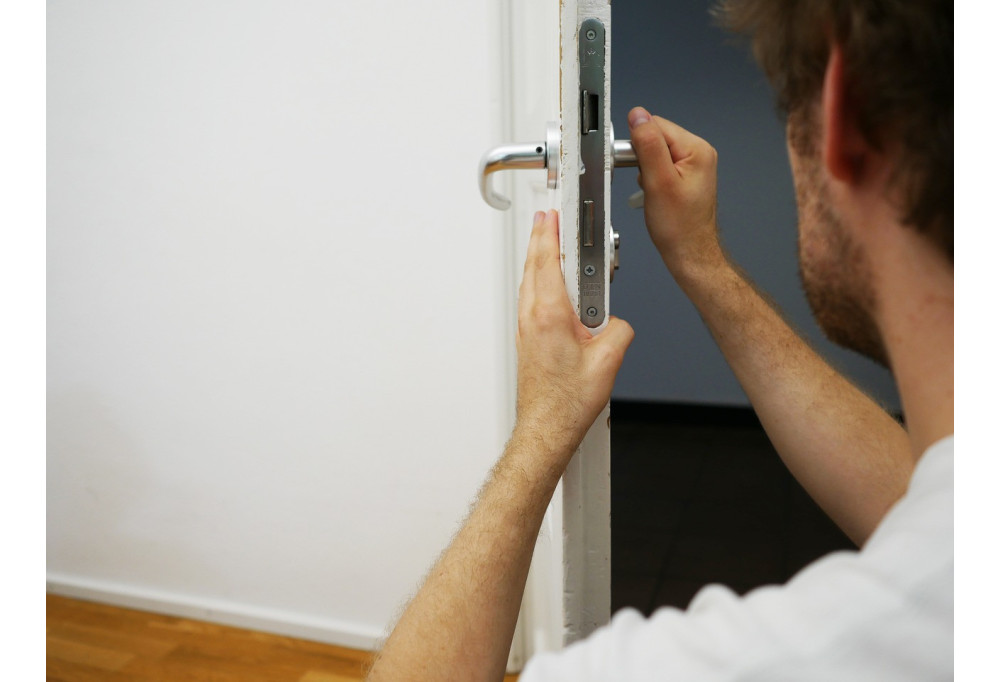
Practical solutions to reduce the nuisance of door slamming
The slamming of a door handle can quickly become a daily nuisance, especially on an interior door, a front door, or a frequently used landing door. This sharp noise is not only annoying: it can reveal wear on the lock, a locking problem, or a loose fitting in the frame or the electric strike.
Fortunately, simple solutions exist to reduce the noise… without necessarily calling a professional locksmith!
What are the causes of a slamming door handle?
Various causes can produce a slamming door handle:
- A worn spring inside the latch set or the handle housing
- A poorly adjusted or old rim lock
- A slammed door that rebounds too violently
- A deadbolt rubbing against the strike plate
- Play in the barrel or the lock cylinder
- Loose fixings or escutcheons
- A clash between the lever handle and the wall due to the absence of a door stop
These faults are common on armoured doors, interior doors, garage doors, or poorly maintained metal doors.
How to prevent a door from slamming?
Here are some practical solutions you can apply yourself or with the help of a professional locksmith:
1. Tighten the handle
Check the fixing screws and the square spindle connecting the two lever handles. If the handle is loose or off-centre, this amplifies the noise when locking or opening the door. Use a screwdriver, or an Allen key depending on the model.
2. Lubricate the metal parts
Lubricating the bolt, the deadbolt, or the faceplate with silicone lubricant or lithium grease can reduce friction and rattling. Avoid overly thin oils that attract dust.
3. Replace the latch set
If the return spring is broken, the handle can fall back violently. Replace the door latch set or opt for a recessed A2P-certified lock for greater comfort and security.
4. Fit a door stop
This small ironmongery accessory prevents clashes between the handle and the wall. Essential for avoiding damage caused by repeated impacts.
5. Check the door alignment
A locked door that sticks may be caused by misalignment of the lock bolt, the latch, or a worn strike plate. Adjust the mortise lock or replace it if it is jammed.
Should you call a locksmith?
In the following cases, it is better to contact a locksmith or a locksmith company:
* If the lock is broken, jammed, or you can no longer open the door
* If a door has slammed shut without a key
* For a lock change or a cylinder replacement (Fichet, Pollux, Vachette, Héraclès, etc.)
* In the event of an attempted break-in or lock picking
* To secure the entrance with a multipoint, connected, or high-security lock.
Request a free quote, check the A2P certification (the highest security standard), and take the time to select the right tradesperson for your locksmith call-out.
And what about a magnetic lock?
Discreet, innovative, and silent, the magnetic lock is ideal for completely eliminating slamming noises. Its spring-free locking system, based on powerful magnets, allows a smooth closure with no mechanical friction. It is perfect for design interior doors, sliding doors, or spaces where acoustic comfort is essential. In addition, it reduces wear on components and integrates easily into a standard rim lock. A solution that is both aesthetically pleasing, silent, and durable, and increasingly used in contemporary projects.
In summary
A slamming handle is often a minor symptom, but it is a telling sign of a future problem if no corrective action is taken.
* With a few tools (a key, screwdriver, or drill), you can disassemble, adjust, or replace a handle or a lock
* Choosing a quality, certified lock with a suitable cylinder also helps reduce noise
* If in doubt, calling a locksmith remains the best solution to avoid a break-in or a jammed door
Are you looking for silent, sturdy, and stylish handles?
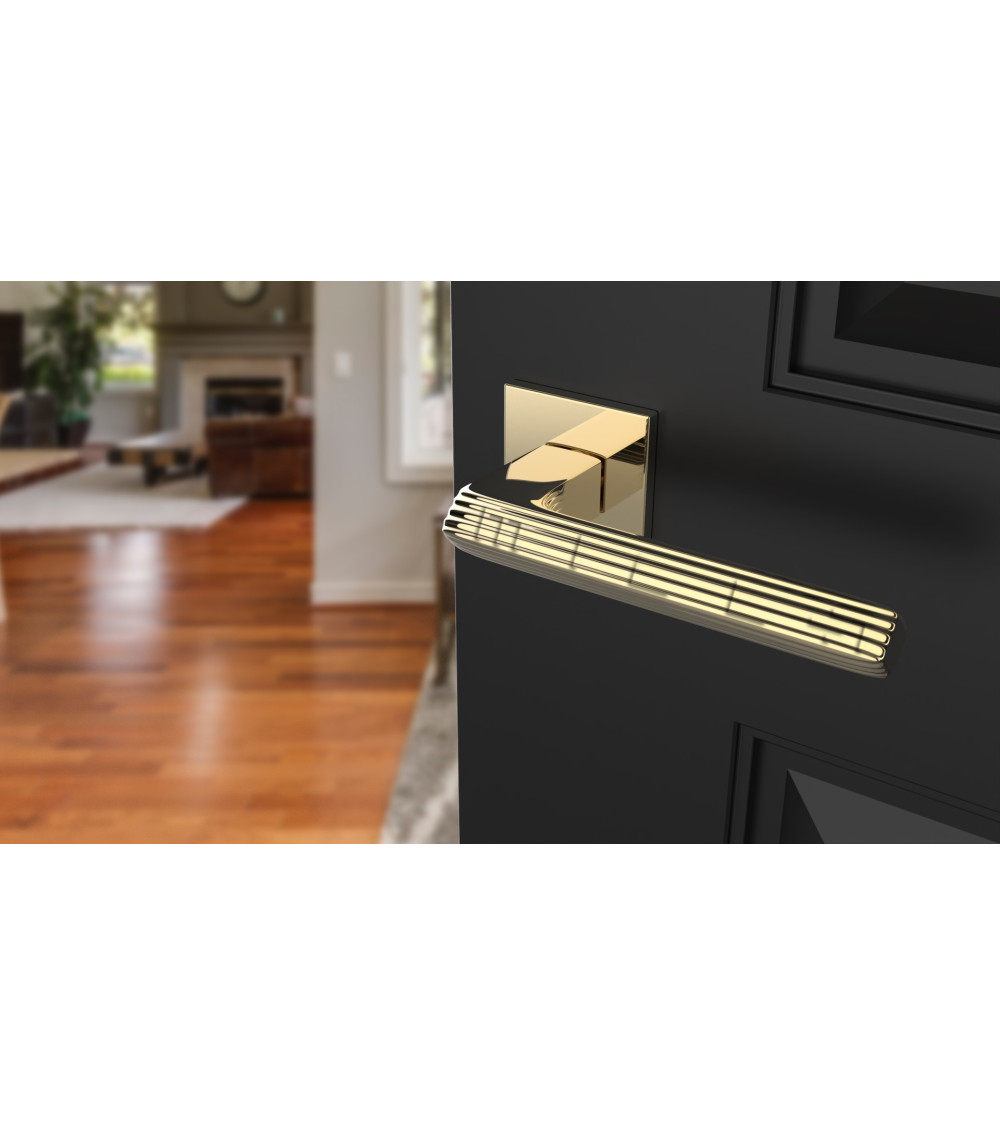
Discover our selection of handles and latch sets for all types of doors (armoured, metal, sliding, wooden…). Many references are available in our Milla Handles shop. Fast delivery, trade prices, and expert advice!
Comments
No comments yet!
Leave your comment