


.jpg)
.jpg)
Easily create an indoor garden at home
Green decoration: all the secrets of the indoor garden!
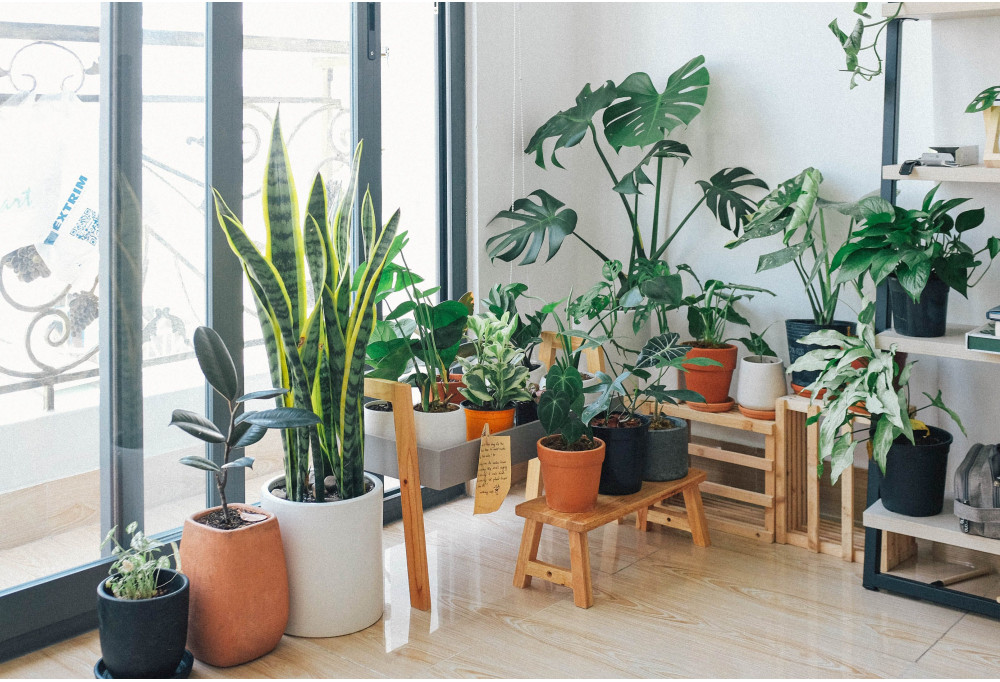
Green decoration: all the secrets of the indoor garden!
Want to invite nature into your home? Discover the trends, benefits and tips for creating an indoor garden at home easily, combining plant aesthetics and daily well-being. Discover the art of cultivating serenity at the heart of your home with a little soil, seeds and water...
The growing success of indoor gardens
The indoor garden, which is growing strongly, is a simple and brilliant solution to enjoy the benefits of nature every day!
What is an indoor garden?
An indoor garden refers to a space created inside a house, flat or any other enclosed place, where plants are grown and maintained.
The various forms of the garden
There is no typical indoor garden! It can take different forms: a small green corner in a small flat to enjoy a natural space or a genuine vegetable patch with vegetables and fruit that you will grow in a large room in the house.
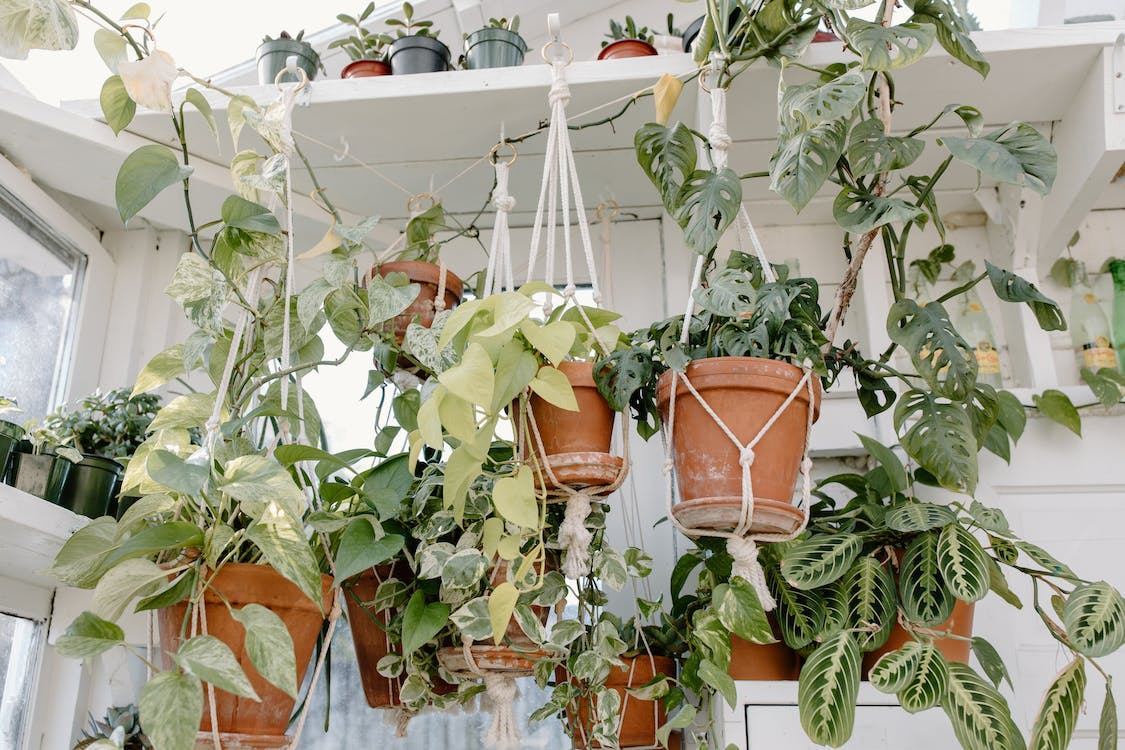
These can also include hanging gardens, plants placed in wicker baskets, innovative-shaped planters or small gardens with LED lighting.
The garden can consist of simple plant pots arranged in a room or correspond to more elaborate arrangements such as wall shelves, terrariums or even vertical gardens.
Some will simply prefer to create a winter garden to shelter fragile plants from the cold.
The main objective is to create a plant environment indoors and enjoy the benefits of nature in indoor spaces whilst improving the aesthetics, air quality and well-being of the occupants. The indoor plants chosen may vary depending on ambient light, personal preferences and ease of maintenance.
Decorative or ecological choice?
Gardening, cultivating the soil, watering our plants are increasingly appreciated activities! This growing need to cultivate one's garden and vegetable patch stems from our lifestyles and our desires for new interior layouts.
The pursuit of well-being
An indoor garden, with its health benefits, meets our need for serenity and well-being whilst providing a relaxing activity.
Living in urban spaces where access to nature may be limited, an indoor garden helps to compensate for this lack by reconnecting us to nature and bringing a touch of greenery indoors.
Interest in interior decoration
Decoration and design lead us to explore creative ways to enhance our living spaces: an indoor garden offers a customisable and sustainable aesthetic solution.
Environmental awareness
Growing awareness of environmental issues drives us to seek sustainable alternatives and adopt environmentally friendly practices. Growing plants at home, as an ecological choice, addresses this concern.
Combining designer layout and ecological concerns, the indoor garden is an excellent way to bring nature in and cultivate serenity in the home.
The benefits of nature at home
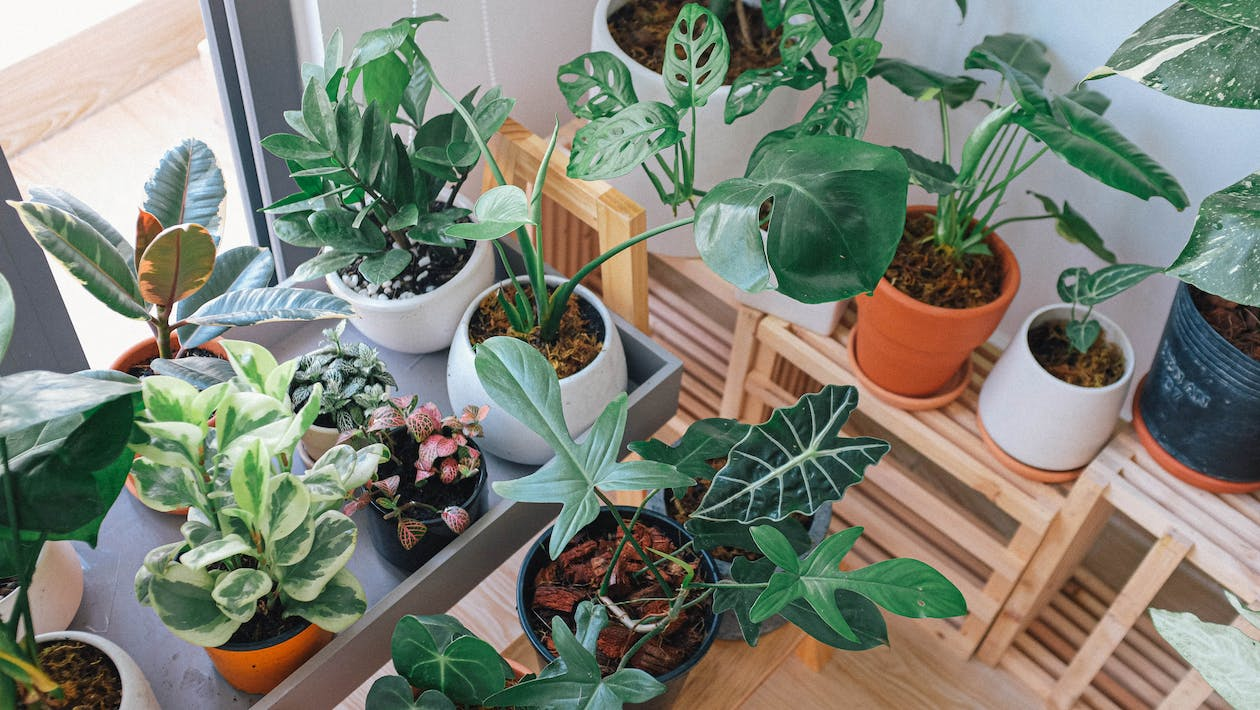
An indoor garden offers a multitude of benefits for physical and mental health, as well as for the indoor environment. Here are some of the advantages of growing plants indoors:
A purified environment
Improved air quality: plants absorb carbon dioxide and emit oxygen, helping to purify indoor air. Some plants also have the ability to filter harmful substances present in the air.
Natural humidification: plants release moisture during the transpiration process, which helps maintain a comfortable humidity level in the air. This is particularly beneficial in dry environments, such as those that are air-conditioned or heated.
Thermal and acoustic regulation: Plants help regulate indoor temperature by creating a natural thermal barrier.
Certain plants can help absorb sound waves, thus contributing to reducing ambient noise levels in indoor spaces.
Indoor gardens add a natural and aesthetic touch to the space, creating a calming atmosphere that invites relaxation.
Well-being and serenity at home
Mental well-being: growing indoor plants is associated with reduced stress, anxiety and mental fatigue. They create a calming environment that promotes relaxation and concentration.
Watering your vegetable patch, pruning plants, engaging in gardening are good techniques to escape daily stress
Positive effect on sleep: Certain types of plants, such as lavender, can promote relaxation and contribute to better sleep.
Sustainability and environmental awareness: By incorporating plants indoors, we promote a more sustainable and environmentally friendly approach, thus contributing to ecological awareness.
Designer and natural décor
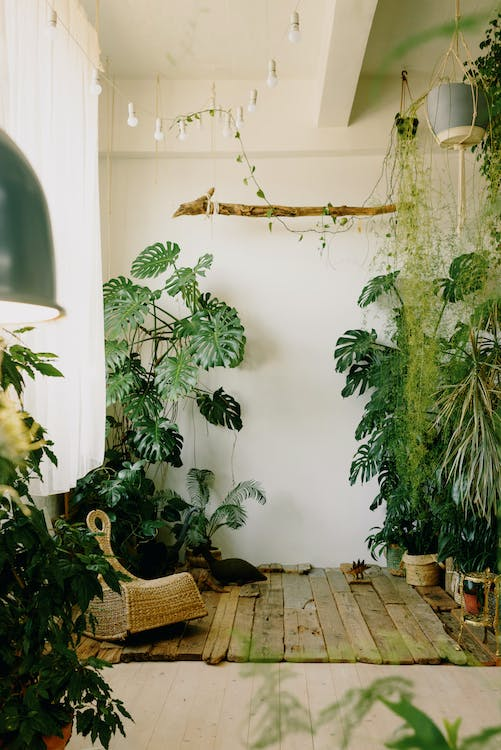
Whether it's a pot of herbs placed on kitchen shelves or a genuine vegetable patch with vegetables and fruit installed in the conservatory, plants are a key element in home décor.
Aesthetic effect: indoor plants can serve as natural décor, adding colour, texture and life to the room. The garden is a simple and natural way to personalise and embellish the home.
Connection to nature: indoor gardens allow us to stay connected to nature, even in an urban environment or when weather conditions do not allow time spent outdoors.
How to achieve a successful indoor garden?
Which plants to choose to create your indoor garden?
It's best to choose the type of plants suited to your environment to achieve the best indoor garden! Take into account the constraints (space, light, humidity) to best preserve your plant composition.
Plants adapted to the indoor environment
Choose plants that adapt well to the specific conditions of your interior in terms of light, humidity and temperature.
Certain types of plants tolerate low light levels or dry environments better.
For spaces with little sunlight, here are 10 shade plants that will warm up your interior:
Calathea, Chlorophytum comosum, Dieffenbachia, Aglaonema, Zamioculcas, Dracaena or Bromelia...
The size of the plants: Take into account the size of the plant in relation to the available space. Ensure you maintain a good balance between the available space and the space the plants will occupy.
Plants of various sizes can be placed in different areas of the home to add designer decorative touches.
Remember to create space, close to your indoor garden, to store your watering can, bag of soil, seeds, fertiliser and other gardening accessories.
Ease of maintenance: Opt for plants that are easy to maintain, especially if you don't have much gardening experience. Robust and undemanding plants can be an excellent choice.
Focus on air-purifying plants
Why not combine pleasure with practicality by choosing plants that promote better air quality to improve the indoor environment.
Certain plants are known for their air-purifying properties, such as Areca palm, Ficus elastica (rubber plant), English ivy, Snake plant, Spathiphyllum (peace lily), Dracaena and Philodendron.
Play on diversity by choosing different species in your garden: each air-purifying plant tends to eliminate certain specific pollutants. The diversity of plants can thus optimise the benefits for air quality.
Which flowering plants to choose?
Bring colour into the home with flowering plants that are easy to care for, such as Anthurium with its pink flowers, Hibiscus, a beautiful colourful indoor flowering plant, Clivia with orange flowers or Persian Cyclamen.
Choosing plants according to the room in the house
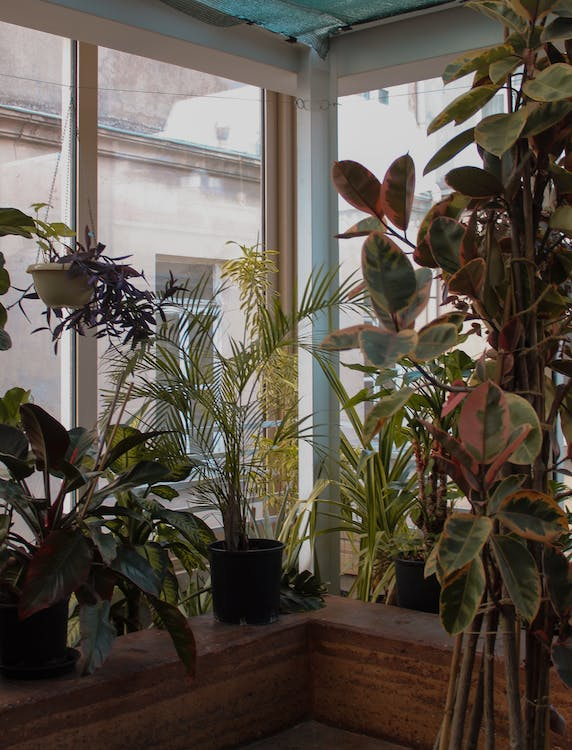
Choose the plant according to the room you wish to green!
For the bathroom, a water room par excellence, choose Pilea, Aglaonema or Calathea, which love humidity.
For the bedroom, favour air-purifying plants such as lavender, jasmine, mint, Yucca, ivy or cactus.
For the kitchen: easy-to-maintain plants such as fern, papyrus, guzmania, cactus or azalea, hyacinth or begonia.
Set up your garden in the room of your choice!
Some precautions to take
Avoid allergens
If members of your household have allergies, choose plants that are not known to release large quantities of allergens.
Indoor plants that can cause allergies include Ficus benjamina, Papyrus, Spathiphyllum, Tradescantia, Cactus or Philodendron.
Check for toxicity
Ensure that the selected plants are not toxic to pets. If you have a cat, avoid Ficus, Aloe vera, Philodendron or Dieffenbachia.
By following this advice, you will be able to choose plants that not only add greenery to your interior but also contribute to air purification, thus creating a healthier indoor environment.
How to arrange plants properly?

The arrangement of plants indoors can have a significant impact on the aesthetics and effectiveness of their benefits. Here are some tips for arranging your plants harmoniously in the home:
Consider the light: place plants according to their light requirements. Your garden should include plants suited to bright light near windows and reserve shade-loving plants for less well-lit corners.
Create groups: group plants of similar sizes, shapes or colours to create visually appealing compositions. This will also simplify maintenance by grouping plants with similar watering needs.
Play with levels: use shelves, stands or hanging planters to create varied levels. This adds depth to your composition and allows each plant to "shine" in its own way.
Vary the sizes: mix plants of different heights to create a dynamic visual effect. Height variations bring interesting design whilst avoiding too much uniformity.
Focus on symmetry or asymmetry: create a symmetrical arrangement for a formal aesthetic or conversely, opt for an asymmetrical layout for a more relaxed and natural look.
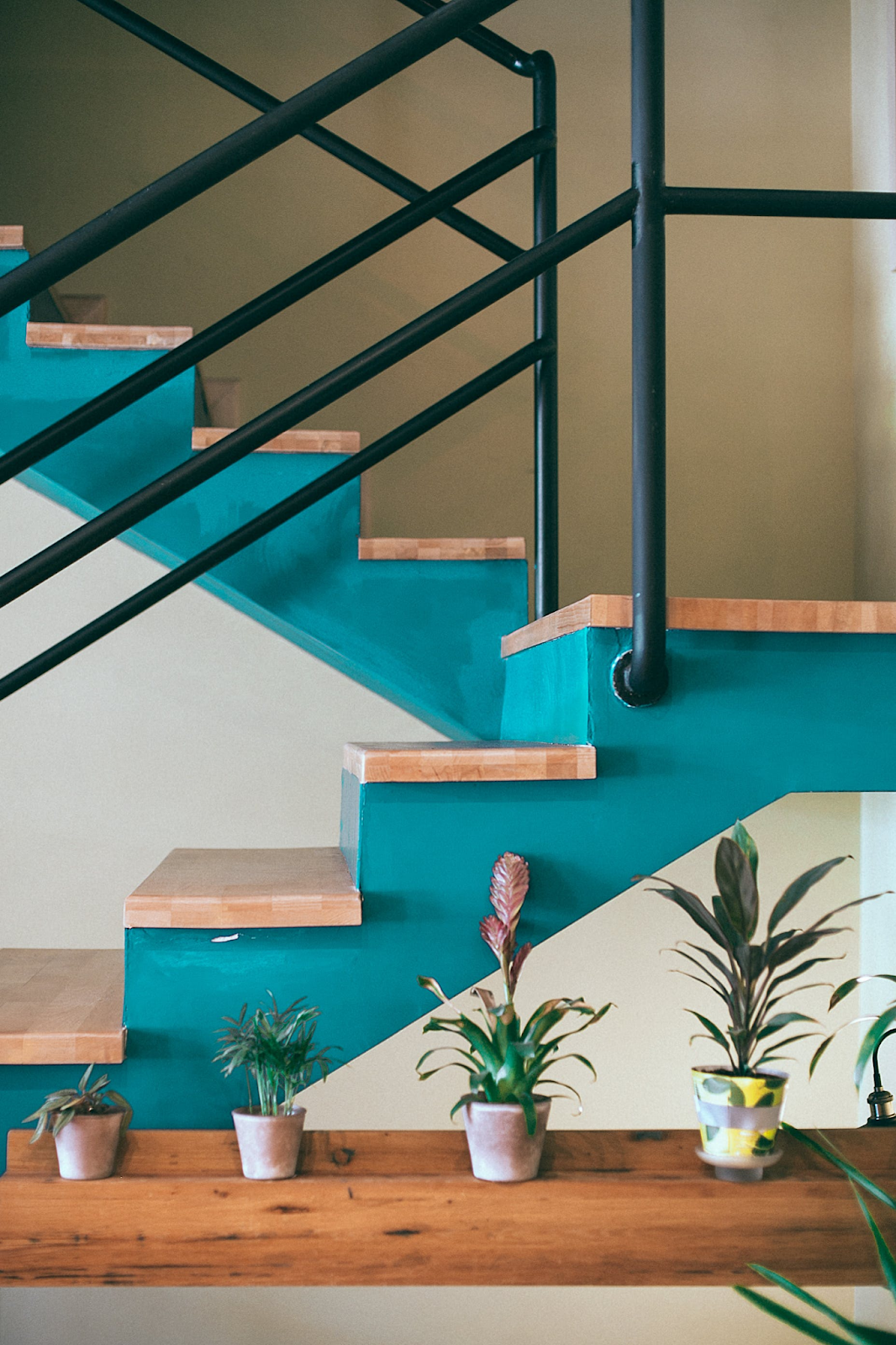
Use decorative containers: choose aesthetically pleasing pots and containers that harmonise with your interior décor. Ceramic, wicker or wooden pots can add a touch of style.
Incorporate decorative elements: add decorative elements such as pebbles, miniature statues or lanterns amongst the plants to add a personal touch.
Adapt to empty spaces: fill empty spaces with plants to maximise the use of space whilst creating a green and balanced environment.
Place plants on furniture: use shelves, coffee tables, window sills and other surfaces to display your plants. This can add verticality to your space.
Consider the flow of traffic: ensure that the arrangement of plants does not disrupt the flow of traffic in the room. Avoid blocking frequently used passages.
Tips for a greener décor
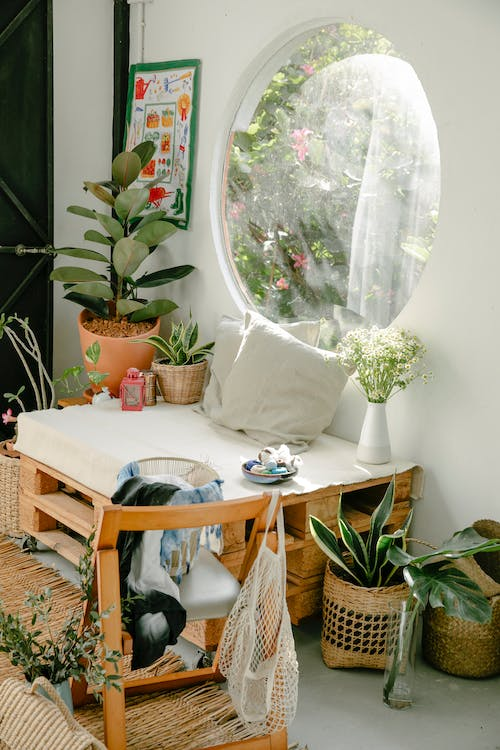
To complement an indoor garden in plant-based décor, you can incorporate furniture and decorative objects that harmonise the whole. Here are some examples that will give you inspiration:
Wooden wall shelves: Add raw wood wall shelves to display your plants elegantly. This system creates an organic atmosphere and maximises vertical space.
Pots and planters in natural fibre: Opt for pots and planters in natural fibre, such as wicker or jute, to add an authentic touch to your plant decoration.
Rattan furniture: Incorporate rattan furniture, such as chairs or side tables, to create a relaxed, bohemian atmosphere that harmonises with the natural aesthetic of plants.
Cushions with botanical patterns: Add cushions with floral or plant motifs to your sofas or chairs. This reinforces the natural aspect of the room.
Mirrors with wooden frames: Install mirrors with wooden frames to visually enlarge the space whilst adding a natural and warm touch.
Wooden door handles: replace your PVC handles with real wooden door handles to create a door décor in perfect harmony with your indoor garden. Take the decoration all the way to the furniture handles, which you can choose in wood or bronze for a weathered effect.
Green door handles: if you want to accentuate the verdant effect in your interior décor, adopt the ultra-colourful green handle! Freshness and dynamism thanks to this easy-to-install accessory!

In conclusion, the indoor garden goes beyond simple decorative pursuit to become an invitation to nature at the heart of the home. By cleverly incorporating plants, furniture and decorative objects, you manage to create a plant cocoon, a source of well-being and harmony. We hope that these tips will enrich your daily life and make your indoor space a true haven of greenery. Cultivate serenity, draw inspiration from nature and let your indoor garden flourish!
Comments
No comments yet!
Leave your comment