


.jpg)
.jpg)

History of design: the evolution of interior accessories through the ages
Space design is a multidisciplinary field that has developed over the centuries, and interior accessories are an essential component of it. Among these, door handles constitute a particularly representative example of the aesthetic, technical and functional developments that the world of design has experienced. In this article, we invite you to discover how these everyday objects, often considered trivial, have followed trends and met the needs of each era.
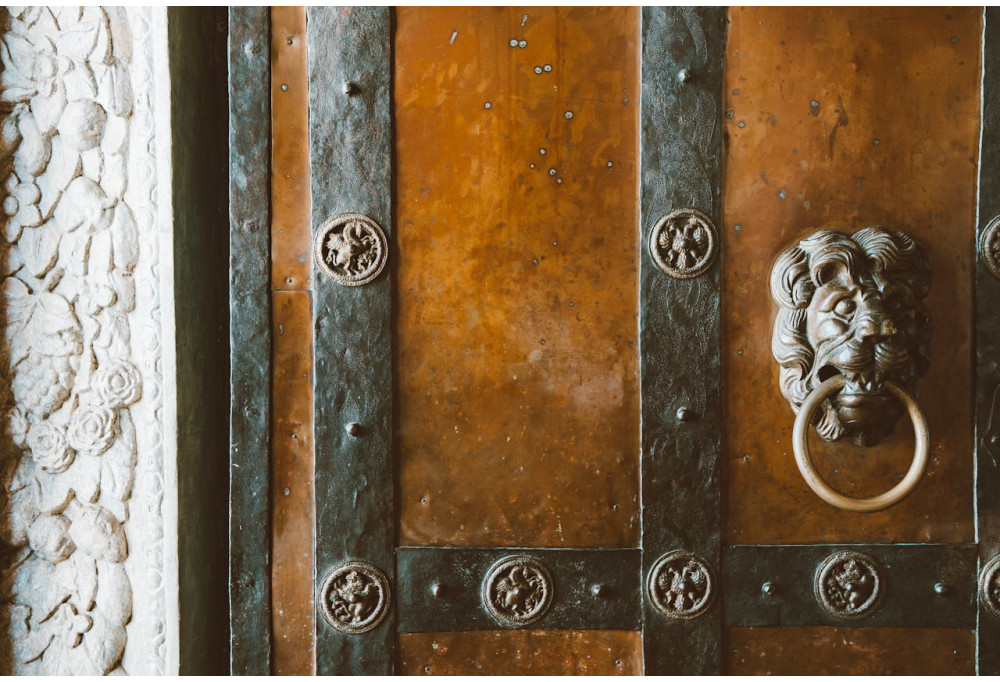
Space design is a multidisciplinary field that has developed over the centuries, and interior accessories are an essential component of it. Among these, door handles constitute a particularly representative example of the aesthetic, technical and functional developments that the world of design has experienced. In this article, we invite you to discover how these everyday objects, often considered trivial, have followed trends and met the needs of each era.
From Antiquity to the end of the Middle Ages: the beginnings of functionality
From Antiquity onwards, interior accessories such as door handles demonstrated a concern for practicality and securing the home. In ancient Egypt, doors were closed by a rudimentary locking system consisting of an upright sliding into a notch made in the wall. Subsequently, the Greeks and Romans adopted more elaborate closing systems, particularly through the use of keyed locks.
The first door handles
It was only from the Middle Ages onwards that door handles, then made of wood or metal, became truly commonplace. Fortified castles and bourgeois residences used them for security reasons, whilst more modest homes were equipped with simple bolts or latches. In terms of design, the forms were generally sober and functional.
The Renaissance: an aesthetic turning point
With the Renaissance period, interior design experienced a veritable boom in Europe. The artists, scientists and craftsmen of the time showed particular concern for aesthetics, which had an undeniable influence on everyday objects, including door handles. During this period, these became more ornate and decorative, thus reflecting the wealth and social status of their owners.
The emergence of porcelain handles
It was also during the Renaissance that porcelain made its appearance in the manufacture of door handles.
View our collection of porcelain handles
More expensive than metal or wood, it was reserved for a wealthy clientele and lent a precious character to interior accessories. Floral and animal motifs as well as mythological scenes were frequently depicted on these refined objects.
The 17th and 18th centuries: the pinnacle of refinement
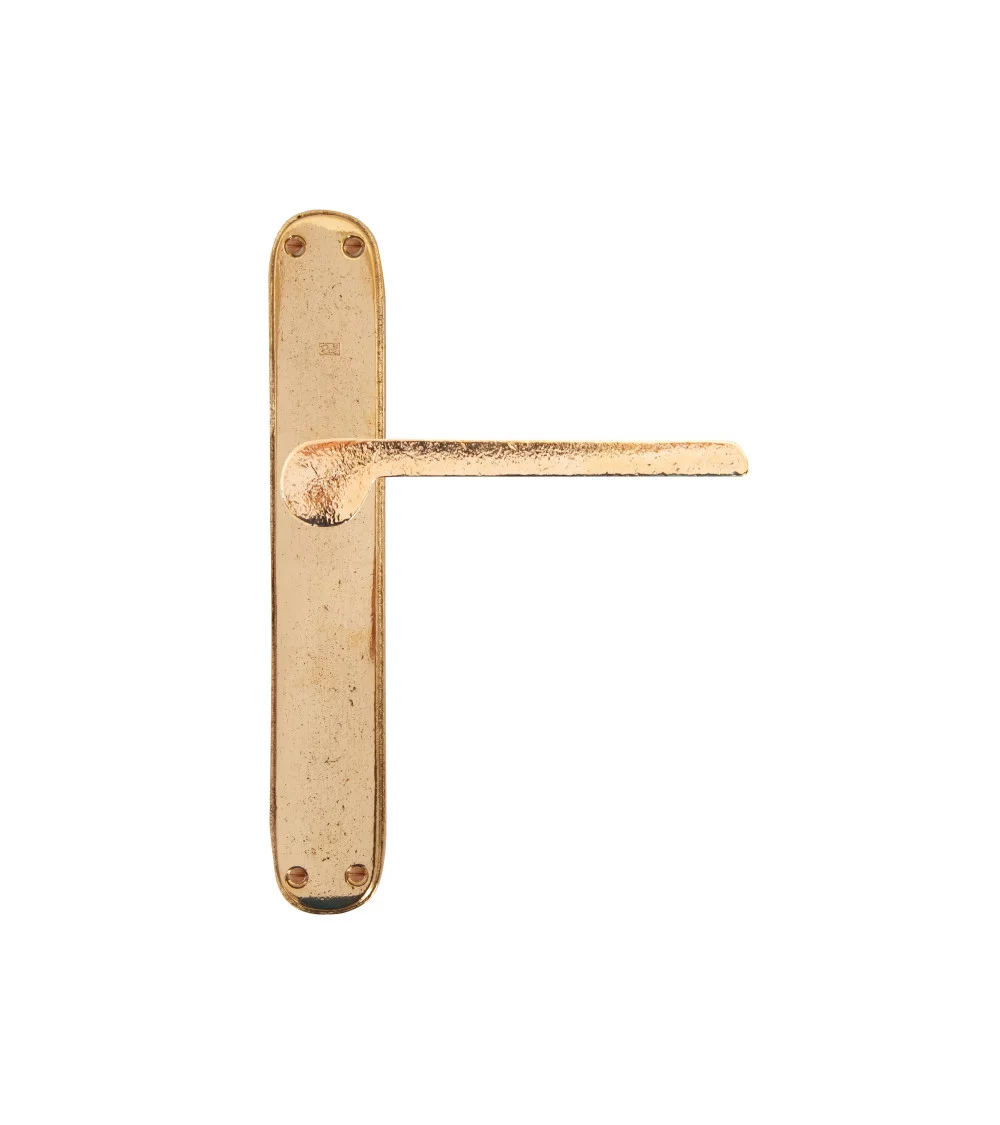
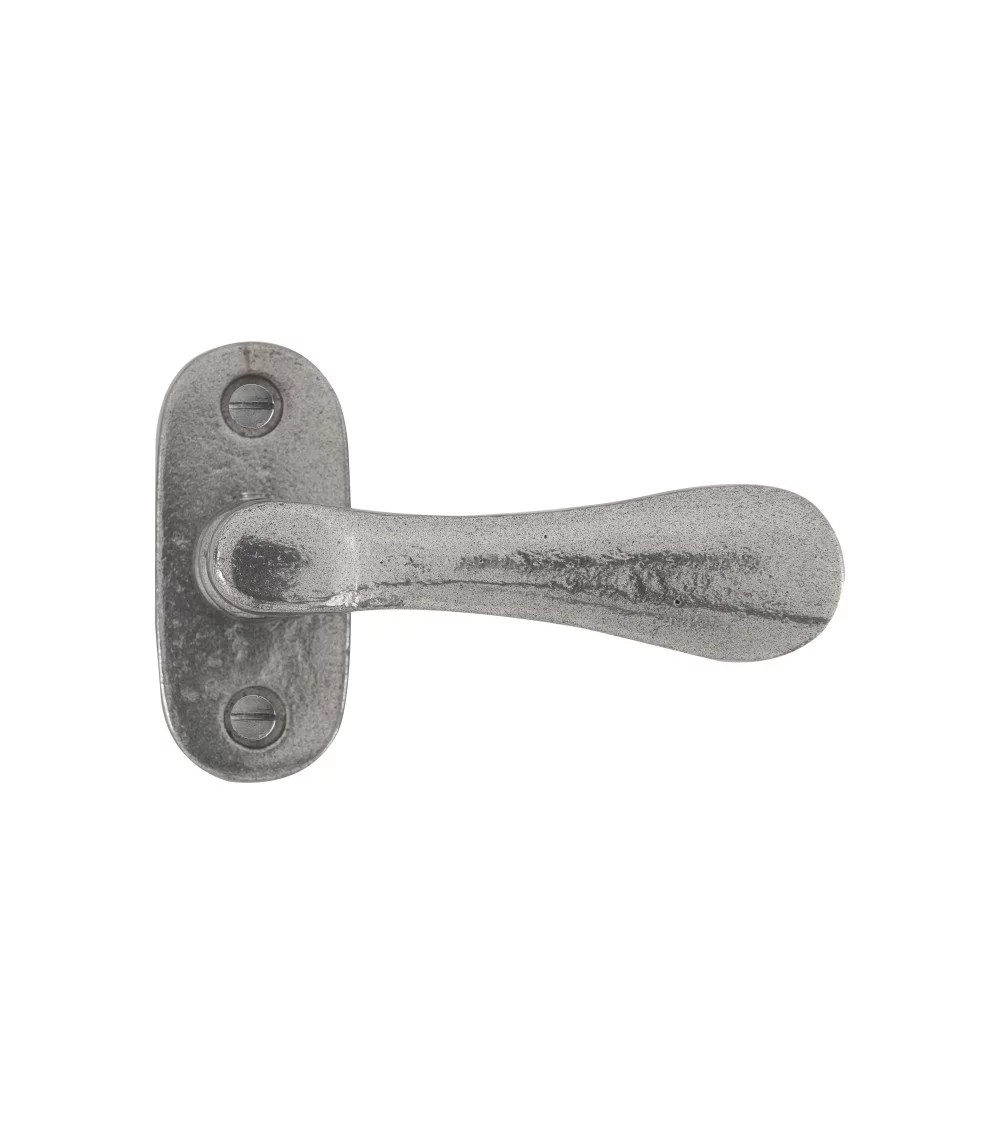
Undoubtedly, the 17th and 18th centuries were marked by an ever-growing taste for refinement and sophistication. Door handles were no exception to this trend, as evidenced by their increasingly elegant and elaborate forms. Metal remained the material of choice, whether gilt bronze for the wealthiest residences or wrought iron for more modest interiors.
The Louis XIV style
Within the royal castles and French nobility, door handles with substantial yet richly sculpted forms were readily adopted, such as those created by the goldsmith André-Charles Boulle under the reign of Louis XIV. Plant and animal motifs were once again omnipresent and perfectly illustrated the creative momentum that characterised this era.
The Industrial Revolution: a production upheaval
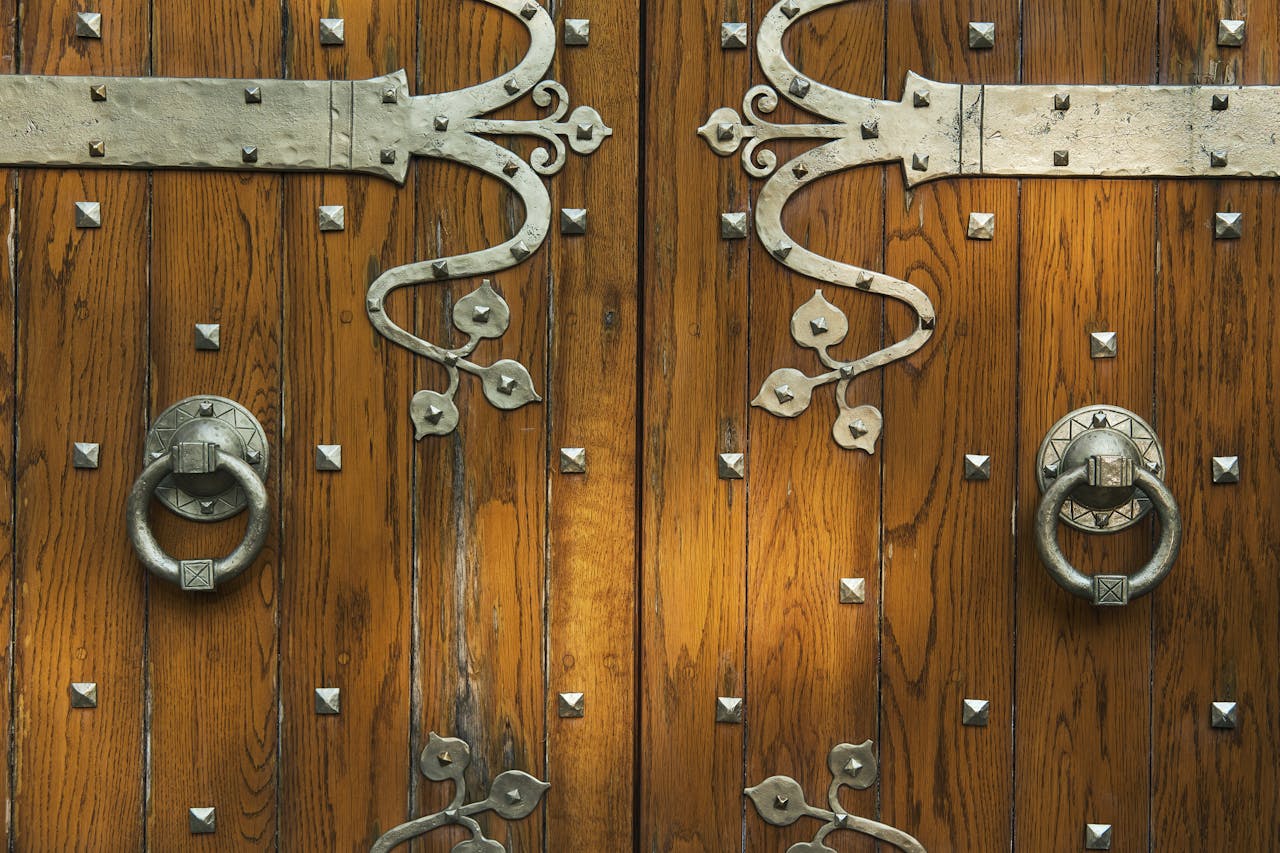
As the centre of unprecedented technological innovation, the Industrial Revolution radically transformed the design world in the 19th century. Indeed, mechanical processes now made it possible to mass-produce interior accessories such as door handles at lower cost.
Also discover our original ideas for a successful industrial style decoration.
Functionalist design
Aesthetics were then influenced by the social and economic concerns of the time. Functionality and durability of objects were favoured, which gave rise to simple and robust door handles, devoid of superfluous ornamentation. These models remain very popular today, particularly due to their affordable cost and ease of installation.
The 20th century: the advent of modern design
During the 20th century, design trends evolved considerably with the democratisation of decorative arts and the emergence of new artistic philosophies. Door handles became more diverse, following both local influences and international movements. The Art Nouveau and subsequently Art Deco styles thus bore witness to this quest for harmony between form, function and materials.
View our range of modern style handles
The Scandinavian influence
From the 1950s onwards, Nordic design, characterised by its sobriety, functionality and use of natural materials, established itself worldwide.
To find out more, read our article: Scandinavian style: 4 ideas for a cosy atmosphere.
Door handles from this world combine practicality and aesthetics, whilst offering a varied palette of styles, from minimalist stainless steel models to more organic solid wood creations. Thus, if today the choice in terms of door handle design is vast, it is indeed the legacy of a rich history that has spanned several centuries of evolution and innovation.
Comments
No comments yet!
Leave your comment