


.jpg)
.jpg)

How to adapt an Italian door handle to a French lock?
Our practical tips for fitting your door handle

Our practical tips for fitting your door handle
When you want to add a touch of style to your door with an Italian-style handle, the snag often appears when trying to align with French lock standards. One of the crucial aspects of this adaptation lies in the difference in standards between square spindles, measured at 7mm in France and 8mm in Italy. This may seem trivial, but it creates its share of hassle during installation. In this article, we'll explore the steps for a successful adaptation, and the best tips to avoid common pitfalls. Discover how to overcome this technical challenge and bring a distinctive Italian touch to your door!
Analysis of square spindle standards
You've probably already heard about the 7mm square spindle and the 8mm spindle, but what does this really mean for adapting a handle to your door lock? That's what we're going to break down.
The specificities of the 7mm square spindle (French standard)
Imagine yourself facing a standard French door, with a lock equipped with a 7mm square spindle. This small dimension may seem trivial, but it's crucial when considering adding an Italian touch to your door handle. Indeed, this 7mm square spindle is the pivot around which the entire adaptation is orchestrated. Opting for an Italian handle in this context requires not only a thorough understanding of standards, but also the judicious use of a reducer square for door handle. The latter ensures that the Italian handle blends perfectly into the world of the French lock.
The 8mm Italian square spindle
Now, let's turn our attention to the Italian square spindle, slightly larger at 8mm. A one-millimetre difference may seem minimal, but it's a nuance that can change everything. If the idea of adding an Italian handle to your space appeals to you, you'll need to take this difference into account and use a suitable reducer square for door handle. It's this small detail that will allow your Italian-style handle to integrate perfectly into the world of the French lock. Thus, this difference in standard becomes an opportunity to add a distinctive touch to your door.
Steps to adapt an Italian door handle to a French lock
Choosing the right door handle is essential for a successful adaptation. When you choose Italian-designed door handles that harmonise with your interior's aesthetics, here are some steps that could certainly help you.
Identifying the type of lock in place
Before embarking on the adaptation adventure, it's essential to take a brief overview of the lock in question. Take a moment to examine the existing square spindle: is it 7mm, conforming to French standards, or 8mm, corresponding to Italian standards? Use appropriate measuring tools to avoid any confusion. This first step is the keystone of the entire adaptation process. Accurate identification will allow you to choose the right door handle and save you unnecessary headaches. The next step? Choose the handle that will give your door a touch of elegance without compromising functionality.
Choosing the right door handle
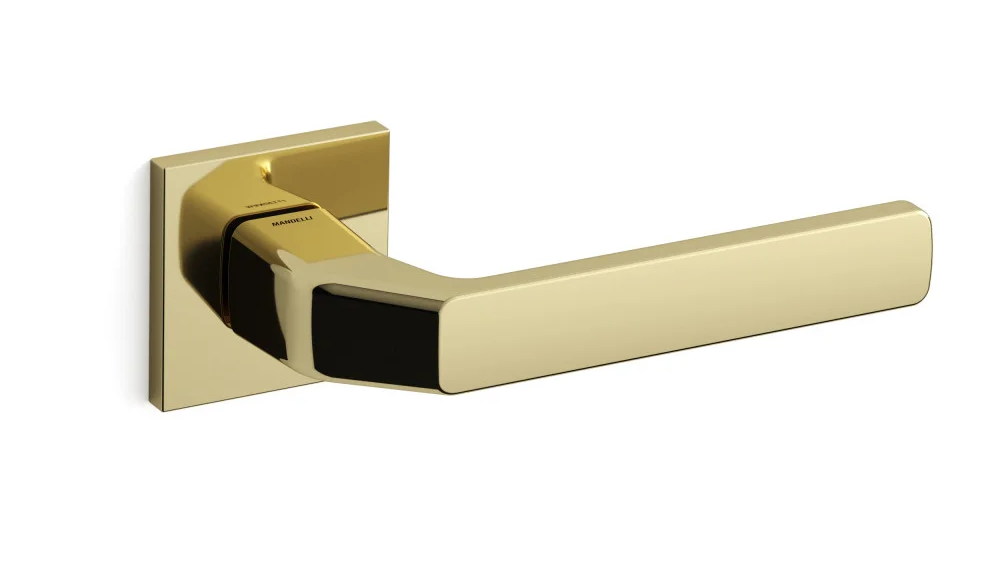
Now that you've identified the type of lock in place, let's move on to the next part: choosing the perfect door handle to complement your décor! If you have a French lock with a 7mm square spindle, it's crucial to find a compatible handle. Opt for a handle specifically designed to fit this standard, often fitted with a reducer square for door handle. You want the fit to be as flawless as possible.
On the other hand, if your lock uses an 8mm Italian square spindle, don't worry, there are options for you too. Look for Italian handles designed to fit square spindles of this dimension. The advantage here lies in the diversity of styles and designs available to you. Explore options that match your personal aesthetic whilst respecting technical specifications.
Always bear in mind that the choice of handle is not purely aesthetic. Think about functionality and ease of use. A well-chosen handle should not only be beautiful, but also ergonomic and practical for everyday use. This way, you can successfully pair your handle with your lock to create perfect harmony on your door.
Tips to avoid common mistakes
Ah, mistakes, those little unexpected events that can sometimes creep into our projects! But don't worry, with a few wise tips, you can avoid the common pitfalls when adapting an Italian handle to your door lock.
- Measure twice, buy once: Before rushing headlong into buying a new handle, take the time to measure the square spindle of your lock precisely. It would be a shame to end up with a handle that doesn't fit your door. Measure, check, then buy.
- Pay attention to compatibility: Make sure the handle you choose is compatible with your lock's square spindle standard. French and Italian door handles often have specific designs to fit these standards. Don't underestimate the importance of this match.
- Explore feedback: Before making your final choice, take the time to read feedback from other people who have undertaken similar adaptations. Online forums and communities can be full of valuable advice and anecdotes that will guide you in your approach.
- Don't neglect aesthetics: Whilst functionality is crucial, don't forget the aesthetic aspect. Your door handle is a visible element of your interior, so choose something that matches your personal style.
- Call on professionals if necessary: If you feel overwhelmed by the whole process, don't hesitate to call on professionals. An experienced locksmith or door handle specialist can offer you personalised advice and ensure a trouble-free installation.
By following these practical tips, you'll be better equipped to avoid common mistakes and turn your door handle adaptation project into a successful experience.
Comments
No comments yet!
Leave your comment