


.jpg)
.jpg)

How to choose an espagnolette?
When installing or renovating your windows, choosing the right espagnolette is a step not to be overlooked. This mechanism not only ensures the security and sealing of your openings, but also contributes to the aesthetics of your interior. With a wide variety of models, materials and locking systems, it is not always easy to make the right choice.
It is with this in mind that we explain the key elements to consider when choosing an espagnolette suited to your needs.
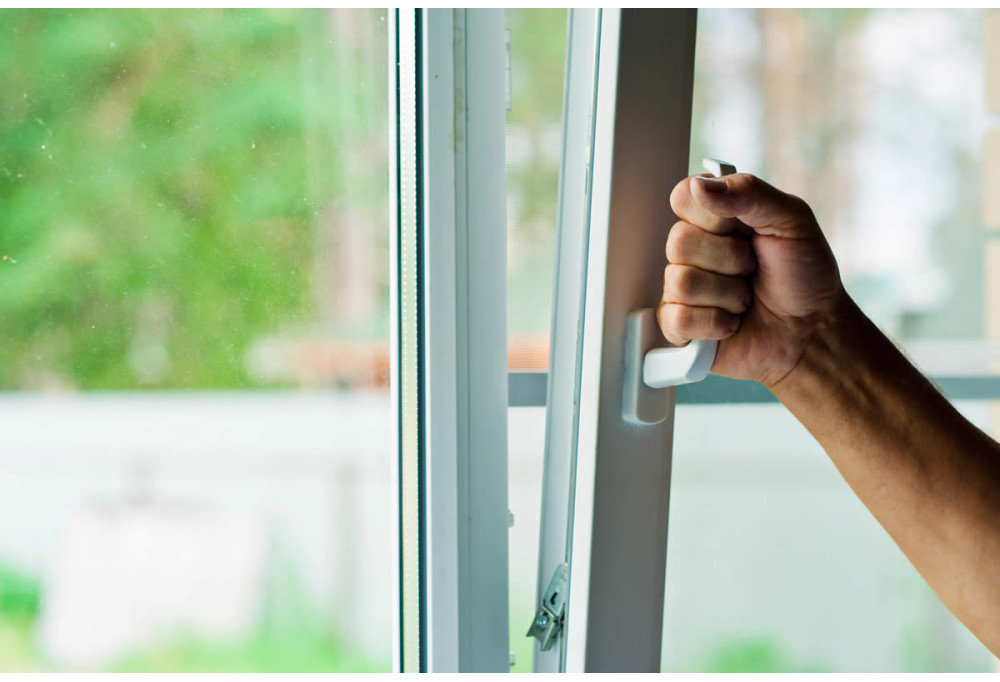
When installing or renovating your windows, choosing the right espagnolette is a step not to be overlooked. This mechanism not only ensures the security and sealing of your openings, but also contributes to the aesthetics of your interior. With a wide variety of models, materials and locking systems, it is not always easy to make the right choice.
It is with this in mind that we explain the key elements to consider when choosing an espagnolette suited to your needs.
What is an espagnolette bolt?
The espagnolette is a locking mechanism used primarily for double-casement windows, French windows and some traditional doors. It consists of a vertical metal rod and two rods, one at the top and one at the bottom. When the central handle is operated, these rods move simultaneously to engage in keeps fixed to the frame — the fixed part of the joinery. This system provides reinforced closure by locking the opening leaf at multiple points, thus improving security and sealing.
How does the espagnolette bolt work?
The heart of the espagnolette bolt's operation lies in converting rotary motion into linear translational motion. The handle (or knob) fixed to a housing rotates a toothed pinion. This pinion, by operating racks (or cams) fixed to the metal rod, drives the movement of the rods. These then slide in guides called heads, carefully fixed to the opening sash. When the rods reach their ends (top and bottom), they engage in keeps on the frame, ensuring firm and secure closure.
What are the different types of espagnolette bolts?
The espagnolette bolt is a locking mechanism used primarily for windows and doors, guaranteeing security and sealing. There are several types of espagnolette bolts, suited to different needs in terms of functionality and aesthetics.
Espagnolette bolts for windows
- Surface-mounted espagnolette bolt: This model, often made of cast iron, is a preferred choice for rustic-style windows. Sold as a kit, the surface-mounted espagnolette bolt is ordered by specifying the required rod length. Its installation is simple and does not require recessing into the frame.
- Emergency exit espagnolette bolt: This type of espagnolette bolt is equipped with a lever handle allowing quick and efficient operation. Operating the handle, from top to bottom, activates the locking rods and secures the window. This system is often used in buildings requiring rapid opening in an emergency.
- Mortise espagnolette bolt: Unlike surface-mounted models, the mortise espagnolette bolt is concealed in the edges of the opening sash, requiring specific machining using a router. Only the operating handle remains visible.
The keeps, fixed to the frame, optimise the security of the window. Depending on the quality of the system, the mortise espagnolette bolt can have 2 to 5 anchor points, thus reinforcing closure and resistance to break-ins.
Espagnolette bolts for doors (multipoint lock)
Inspired by window espagnolette bolts, the door espagnolette bolt is often referred to as a 3 to 5 point lock. The action of the handle causes the movement of several anchor points distributed along the height of the frame.
The mechanism relies on two main elements:
- The central keep (or mortise latch keep): it receives the latch bolt and requires specific machining.
- The roller keeps: located on either side of the central keep, they accommodate the mobile rollers operated by the espagnolette bolt rod.
This system ensures reinforced closure, limiting the risks of intrusion whilst guaranteeing better door sealing. Once the key is turned, all locking points are held in place, thus enhancing security.
Other types of espagnolette bolts
Variations in design and specific security requirements have led to the development of several espagnolette bolt models:
- Face plate espagnolette bolt: fitted with a visible part requiring slight adjustment with a wood chisel.
- Euro cylinder espagnolette bolt: equipped with a housing allowing the integration of an independent cylinder.
- Europa espagnolette bolt: a multipoint lock with cylinder locking.
- Mortise espagnolette bolt: designed to be inserted at the bottom of the rebate on double-sash windows.
- Adjustable cylinder espagnolette bolt: adjustable at the top and bottom to adapt to different opening sash formats.
- Adjustable espagnolette bolt: particularly used in renovation, it adapts to existing installations.
- Espagnolette bolt with lock: a specific model for windows and French windows, equipped with a key-operated lock replacing the handle.

How to make the right choice of espagnolette bolt?
Before making a purchase, start by defining your needs and check that the chosen espagnolette bolt corresponds perfectly to your installation.
Number of locking points
The security of the closure depends largely on the number of anchor points. A multipoint espagnolette bolt distributes the locking force over several areas, making break-ins more difficult.
Advice: Count the keeps available on your joinery and opt for a model that offers at least two points (top and bottom). For maximum protection, favour a three or five point model.
Material and finish
The durability and aesthetics of the espagnolette bolt depend on the choice of material. For example, there are notably:
- Cast iron: Traditional and robust, ideal for a classic style.
- Steel or Stainless Steel: Modern and corrosion-resistant, perfect for intensive use and humid environments.
- Brass: Appreciated for its warm aesthetic and good wear resistance.
As for the available finishes, they range from bright chrome to aged patina, including satin nickel. The choice should be made according to your joinery and exposure conditions (interior, exterior, humidity).
Locking cylinder
The locking system may include a cylinder, allowing key locking for enhanced protection. This option is recommended for entrance doors. Otherwise, opt for a model without a cylinder if you prefer a simplified solution for less exposed openings.
Type of opening and dimensions
The type of opening sash (single window, double sashes, French window, etc.) directly influences the choice of espagnolette bolt.
- Essential measurements: Measure the total height of the opening sash, the location of the keeps, and the centre distance between them. These dimensions will help you choose a model that fits your installation perfectly.
- Opening direction: Check the opening direction (right or left) to ensure correct and functional installation.
Additional accessories
Certain accessories complement and optimise the installation of espagnolette bolts:
- Bit locking system: similar to rotating rollers, the bit retracts into the face plate when opening, avoiding any obstructive projection.
- Adjustable rods: essential for bespoke doors and windows, they can be cut to the desired length.
- Decorative dummy espagnolette bolt: intended for lovers of traditional aesthetics, it allows modern joinery to be given a period appearance.
Measuring and preparing your installation
Before buying and installing an espagnolette bolt, remember to prepare your project meticulously. This helps avoid many disappointments during fitting.
Taking the dimensions of the opening sash
Measure the entire opening sash (the window or door) to determine the exact dimensions required for installing the espagnolette bolt.
- Total height: Measure the distance from top to bottom of the window or door. This dimension determines the length of the espagnolette bolt, especially if extensions are required.
- Sash width: Although less important, this measurement can influence the choice of model, particularly for fitting keeps.
Measuring the centre distance of fixing points
For the espagnolette bolt to fit perfectly into your door or window, you need to measure the centre distance of the fixing points.
- Distance between keeps: Measure the vertical distance between the intended locations for the rods. This allows you to choose a model with a suitable centre distance.
- Position of handle and housing: Note the exact location of the handle as well as the configuration of fixing points on the opening sash.
Practical tips for successful measurements
To ensure the reliability of your measurements, a few simple tips can help you:
- Use a good quality tape measure, preferably with precise graduations, and check each of your measurements several times to avoid any error.
- Carefully note all measurements taken. Drawing a small sketch or plan with the measurements indicated can prove very useful when consulting the technical specifications of espagnolette bolts.
- Don't hesitate to compare your measurements with those indicated by the manufacturer. If you have any doubt, call in a professional, especially if your installation has particular features (bespoke opening sash, unusual joinery, etc.).
Detailed installation procedure
Once all measurements have been taken and checked, you can proceed with installing the espagnolette bolt. Although this step is technical, a methodical approach allows you to tackle it with confidence.
Preparation
First of all, gather all the necessary tools. Make sure you have a drill, screwdrivers, a tape measure and a pencil to mark the drilling points. In some cases, a saw or cutting tool may be required to adjust the length of the rods.
If you are replacing an existing espagnolette bolt, start by carefully removing it. Unscrew the fixing elements and observe the condition of the anchor points. This dismantling will also allow you to confirm your initial measurements and better understand the configuration of your joinery.
Marking and preparing locations
Once the old espagnolette bolt is dismantled, proceed with marking the new fixing points on the opening sash. With your tape measure and pencil, draw precise marks corresponding to the specifications of the new espagnolette bolt manufacturer. These marks will indicate the exact location where holes should be drilled to fix the brackets and housing.
Next, use a drill fitted with a bit suitable for the material (wood, PVC or aluminium). Be particularly careful to make clean and precise holes without damaging the surrounding surface.
Installing brackets and fixing
The next step is to install the brackets designed to guide the rods. These guides must be perfectly aligned to ensure smooth movement of the espagnolette bolt. Fix them securely using screws, checking that they are straight and have no play.
Next, install the central housing of the espagnolette bolt in the middle of the opening sash. The housing must be fixed so that the rods, once inserted, can move freely in the guides. Once the housing is in place, insert the rods and ensure they slide effortlessly until they reach the keeps provided on the frame.
Adjustments and tests
After installation, it is essential to test the mechanism. Operate the handle to observe the movement of the rods. They must move smoothly, without resistance or misalignment, and fit properly into the keeps to ensure perfect locking.
If the rods seem misaligned or if the locking is not optimal, adjust the alignment of the brackets or central housing. Precise adjustment is crucial not only for the security of the installation, but also to guarantee good thermal and acoustic insulation of the window or door.

Maintenance and upkeep of an espagnolette bolt
To ensure the longevity of your closing system, regular maintenance is essential. Here's how to proceed to keep your espagnolette bolt in perfect working order.
Regular cleaning
Use a soft cloth, dry or slightly damp, to clean the surface of the espagnolette, rods and slides. Avoid abrasive products that could damage the finish. For recesses, a small brush can help remove accumulated dust, ensuring optimal operation.
Lubrication
Regularly apply a suitable lubricant, such as silicone grease or a specific spray for locks, to all moving parts. Lubricate at least once a year or more often in humid or dusty environments to ensure mobility.
Checking fixings and components
Periodically check that all fixing screws for the housing and brackets are properly tightened. Loosening can compromise the security of the system. Check the condition of the rods to detect any deformation or excessive wear. If necessary, replace damaged parts to maintain optimal security.
Preventive diagnosis
Be attentive to any anomaly in the operation of your espagnolette bolt. A slight squeak, unusual resistance when operating the handle or excessive play can be warning signs of a problem. In this case, it is recommended to carry out lubrication or, if the malfunction persists, to call in a professional locksmith who can carry out a complete check and correct any anomaly.
Security, standards and advice for an optimal choice
The security of your openings relies on choosing an espagnolette bolt that complies with standards and is manufactured from quality materials. Here are some essential elements to consider to enhance the security of your installation.
Labels and certifications
Choosing a certified espagnolette bolt is a guarantee of quality and security. For example, the A2P label attests to the device's resistance to break-in attempts. An espagnolette bolt that has obtained this label will have been subjected to rigorous tests and will meet European standards for security.
Quality materials and suitable finishes
Opt for espagnolette bolts manufactured from robust materials such as stainless steel, brass or cast iron. These materials offer excellent resistance to shocks and corrosion, which guarantees a long service life for the device. The finishes — whether chrome, nickel or patinated — must also be chosen according to the installation environment (interior, exterior, humid areas) to ensure good durability over time.
Enhanced security
Even if you are an experienced DIY enthusiast, installation by a professional can help optimise the security of your locking system. A locksmith or ironmongery specialist can not only ensure that the installation complies with current standards, but also advise you on the most suitable options for enhancing the security of your openings (such as adding additional locking points).
To discover our full range of products and obtain personalised advice, visit MillaPoignees.fr, the design door handle specialist. You will also find a wide selection of door ironmongery, ranging from surface-mounted locks to mortise locks, to meet all your security and aesthetic requirements.
Comments
No comments yet!
Leave your comment