


.jpg)
.jpg)

How to position furniture handles or knobs?
A well-placed handle is the finishing touch that changes everything on your furniture!
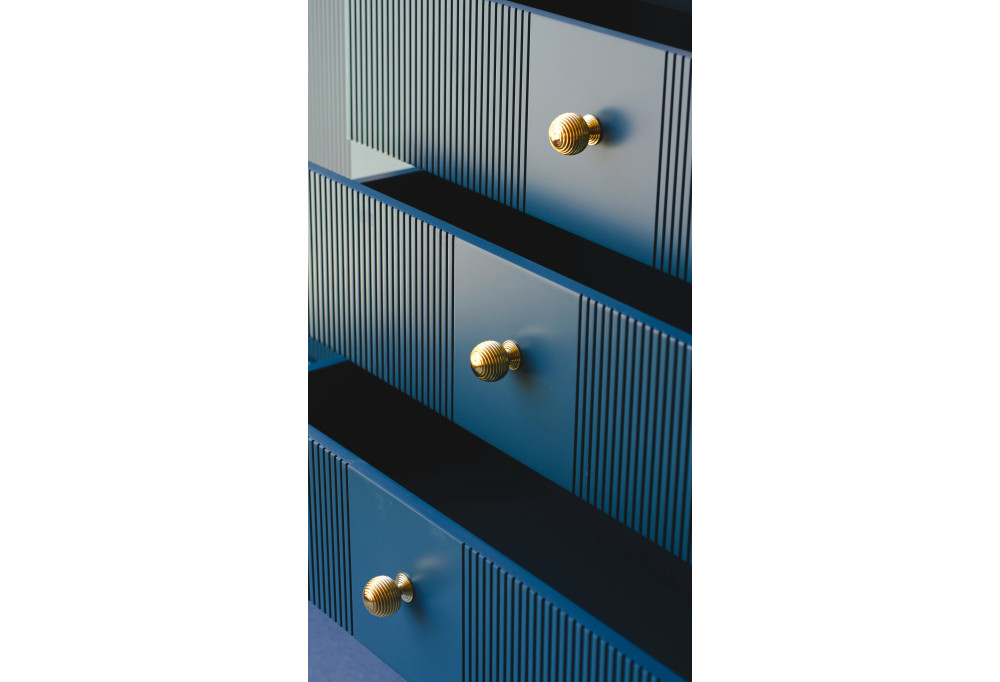
A well-placed handle is the finishing touch that changes everything on your furniture!
Positioning a furniture handle correctly is the detail that brings design and comfort together. Choosing a furniture handle or cupboard door knob is not just about design. Positioning is crucial for ease of use, ergonomics and appearance. Whether you are fitting handles to kitchen cabinets, a wardrobe, bathroom furniture or drawers, there are some useful guidelines and tips to follow. Here is a practical guide to help you install them successfully.
Should you choose a furniture knob or handle?
Before even thinking about positioning, it is best to decide what type of hardware to fit to your furniture!

* Furniture knob
Round or oval furniture knobs are ideal for lightweight cupboard doors or shallow drawers. They are often found on children’s bedroom chests of drawers, low hallway cabinets and bathroom furniture.

* Furniture handle
Whether long, wide or rectangular, a handle provides a better grip, particularly on frequently opened furniture such as kitchen drawers or heavy pieces such as wardrobes.
The choice between a knob and a handle depends on how the furniture is used, its weight and the style you want.

* Designer furniture handles
Both types of furniture fitting—knobs and handles—come in a wide variety of styles, shapes, colours and finishes. A gold-toned bronze knob brings a classic look, a rectangular brushed stainless steel handle creates a contemporary feel, while a round wooden designer knob adds a sophisticated touch to your black wardrobe.
Door hardware sometimes uses surprising materials for handles, such as leather, concrete or glass! Designer knobs can make a real decorative impact. These small fittings can help accentuate the style of your room.

Where should you position a handle on a drawer?
Positioning varies according to the drawer’s height and width.
* For a low or narrow drawer: place the knob in the centre of the drawer, or centre the handle both horizontally and vertically.
* For a wide drawer: choose two knobs or one large, centrally positioned horizontal handle.
* For a very deep drawer: place the handle slightly above the middle to make it easier to open.
* Drawer handles: why the fixing centres matter
Positioning drawer handles requires precision, particularly when spacing the drill holes. The fixing centres determine how even and attractive the result will be, so choose your handles before drilling the drawer fronts.
The fixing centres—the distance between the two fixing points—should be chosen according to the width of the drawer and the handle’s design. On a kitchen cabinet, a brushed stainless steel or polished brass drawer handle will give a smart, long-lasting finish. For a rustic solid-wood chest of drawers, you might prefer aged cast-iron or bronze handles with wider fixing centres. In a contemporary cupboard, slim models in anodised aluminium, matt black or chrome add a modern touch.
Tip: use a drilling template to align all the handles and achieve a perfect finish.
Where should you position a handle on a cupboard door?
Hinged cupboard doors need carefully positioned handles to remain ergonomic and easy to use.
* Recommended height: fit the handle 8 to 12 cm from the edge of the door.
* Vertical positioning: on tall doors, place the handle at hand height (generally 95 to 105 cm from the floor for optimal comfort).
* For a knob: fit it in the lower corner of a tall door or the upper corner of a low door, on the side opposite the hinges.
A well-positioned cupboard handle makes doors more practical to open while maintaining visual balance.

How should you position handles on a sliding door?
Sliding and pocket doors, often used for dressing rooms, need specific types of handles.
* A recessed handle (flush pull) is ideal for keeping the sliding mechanism unobstructed.
* Cup pull or finger pull: discreet and easy to incorporate.
* Positioning: centre it vertically or offset it slightly, depending on the look you want.
Tip: choose solid stainless steel, anodised aluminium or solid brass models for greater strength and a long-lasting finish.
Tips for perfect alignment
Good positioning also depends on precise installation.
Use a drilling template or spirit level to align your door handles and furniture knobs perfectly. Check that each kitchen handle, drawer knob or recessed handle is properly centred and securely fixed. When updating older furniture, you can shift the position slightly to conceal existing holes. In modern interiors, precise alignment is essential, especially with long rectangular handles in stainless steel, matt nickel or white lacquer.
Perfect alignment ensures both ease of use and a harmonious look, whatever the finish (crystal, ceramic, zamak, satin stainless steel, etc.).

Practical installation tips
Installing a furniture handle properly takes precision and the right tools.
* Mark the drilling points using a template.
* Use a drill with a fine bit to avoid splitting the wood.
* Check the screw depth to avoid going through the panel.
* Choose suitable screws (zinc, rust-resistant or stainless steel).
* Clean the surface after installation for a flawless finish.
DIY tip: always tighten the screws by hand for the final few turns to avoid damaging the finish (black lacquer, satin nickel, chrome, etc.).
The position of furniture handles is a small detail that makes all the difference to ergonomics, design and everyday comfort. Knob or handle, centred or offset, recessed or surface-mounted: the right choice depends on the furniture and how it is used. With a few tools and the right measurements, you can achieve a result that is both practical and attractive.
Explore our selection of furniture handles and knobs for your furnishing and DIY projects.
Comments
No comments yet!
Leave your comment