


.jpg)
.jpg)
Japandi Style: Zen and Natural Décor at Home
A decorative style fusing Japanese Zen aesthetics with Scandinavian functionality
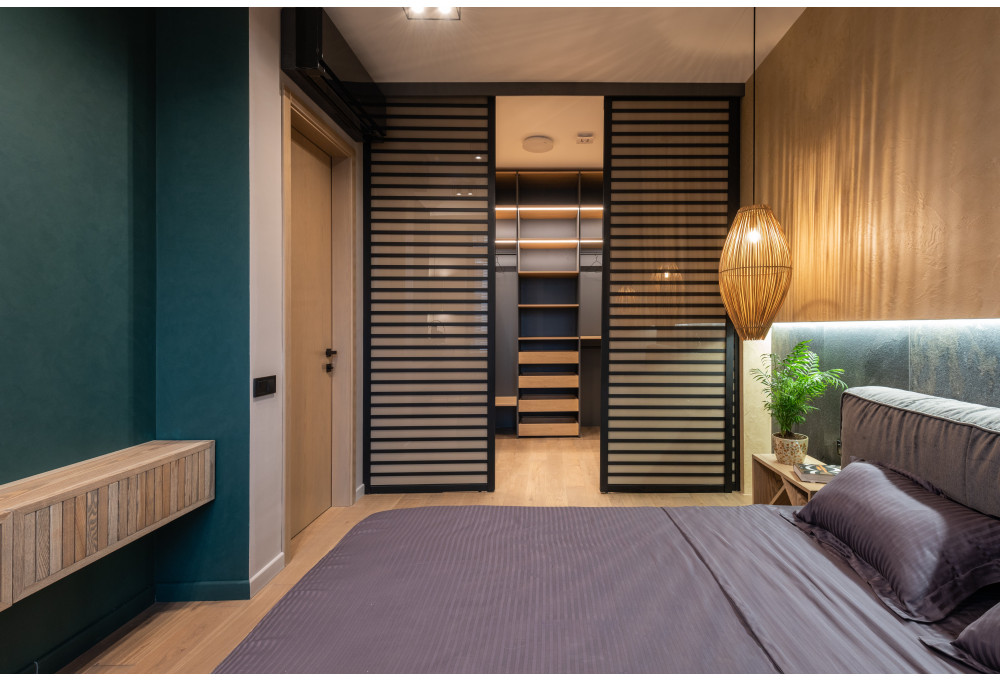
A decorative style fusing Japanese Zen aesthetics with Scandinavian functionality
A growing trend in interior decoration, Japandi style offers the perfect balance between serenity and functionality. Easily adopt this zen and natural décor at home!
What is Japandi style?
What does the word Japandi mean?
Japandi is derived from the contraction of Japan and Scandinavia. This décor trend merges two styles: refined Japanese aesthetics and Scandinavian cosiness.
The origins of Japandi style
Japandi style, a fusion of Japanese and Scandinavian aesthetics, has its roots in simplicity and functionality.
This décor trend combines the Japanese philosophy of "Wabi-sabi", which finds beauty in imperfection and transience, with Scandinavian design, known for its minimalism and functionality.
This decorative style favours calming and uncluttered spaces, where trinkets and superfluous objects disappear. This decorative trend promotes interiors that celebrate craftsmanship, the use of natural materials and a neutral colour palette, whilst remaining functional and comfortable.
Key principles of Japandi: minimalism, functionality and natural elements
Japandi style is based on 3 very simple key principles:
- Minimalism is at the heart of this style, favouring sobriety and reduction to the essentials. Spaces are devoid of ornaments and superfluous accessories, creating a calming and refined atmosphere.
- Functionality is another fundamental principle, highlighting furniture and objects that are both practical and aesthetically pleasing. Each element must serve a specific purpose, thus contributing to the flow of the space.
- Natural elements are an essential component, with a marked preference for organic materials such as wood, linen and bamboo. These raw materials bring subtle warmth to the room whilst creating a connection with nature.
Japandi-style décor embodies the perfect balance between minimalism, functionality and natural elements to create a zen and cosy sanctuary in our contemporary interiors.
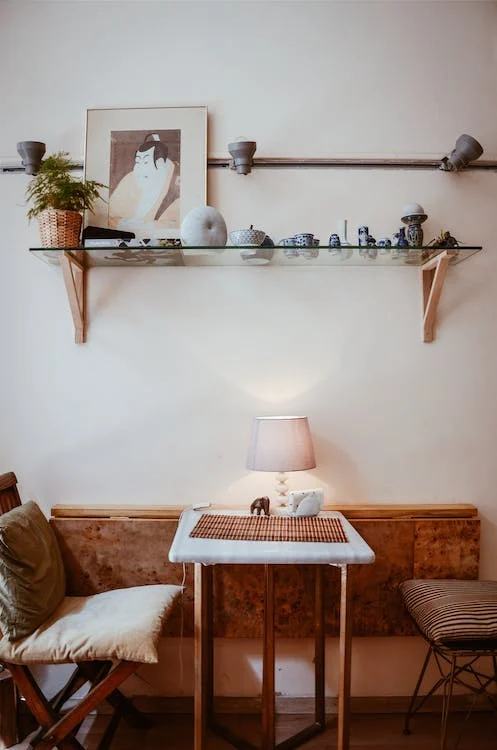
The fusion between Asia and the West
The fusion between Japanese elements and Scandinavian influence in Japandi gives rise to a calming aesthetic that combines refined Asian design with Nordic functionality.
Components of Japanese style, such as the importance of space and the use of natural materials, are combined with Scandinavian influence with its clean lines, neutral colours and minimalist forms.
On the Japanese side, there is a constant pursuit of harmony and tranquillity, expressed through subtle details and judicious use of natural light. Scandinavian influence brings pragmatic functionality, a preference for raw materials and refined, timeless design. This unique combination creates a visual balance where each element finds its place in a cohesive whole.
Neutral tones, simple lines and the predominance of natural materials form a visual language that transcends cultural boundaries, thus offering a timeless aesthetic that provides contemporary design.
Natural décor for the home
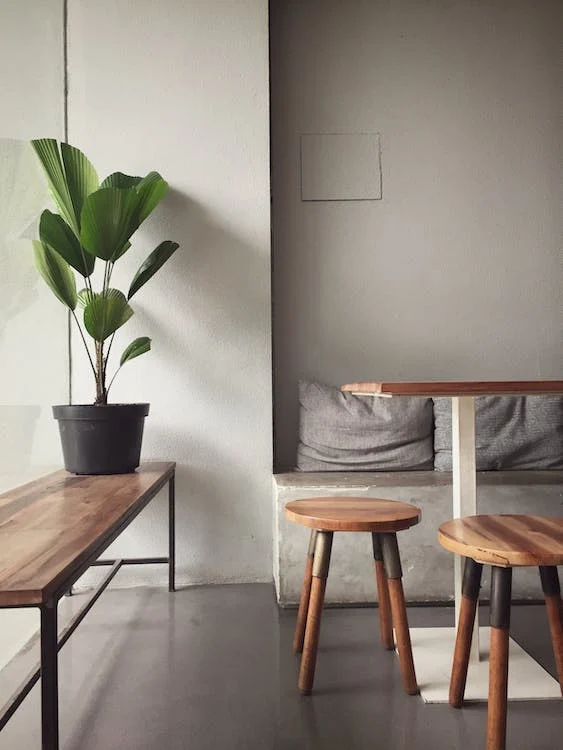
As for materials, the emphasis is on the quality and authenticity of the materials used. Wood, often light and natural, is omnipresent, bringing organic warmth and a connection with nature.
Natural textiles such as linen and cotton help create a soft and calming atmosphere.
The colour palette is carefully selected, favouring neutral tones such as beige, white and grey, thus creating a calm and balanced background. These shades also bring natural brightness to the space, reinforcing the feeling of openness and serenity.
The use of natural colours and materials reflects the sobriety and authenticity of Japandi style.
The combination of these elements helps establish a balance between East and West, thus revealing the cultural depth and functionality of this contemporary design style.
How to adopt Japandi in your interior decoration?
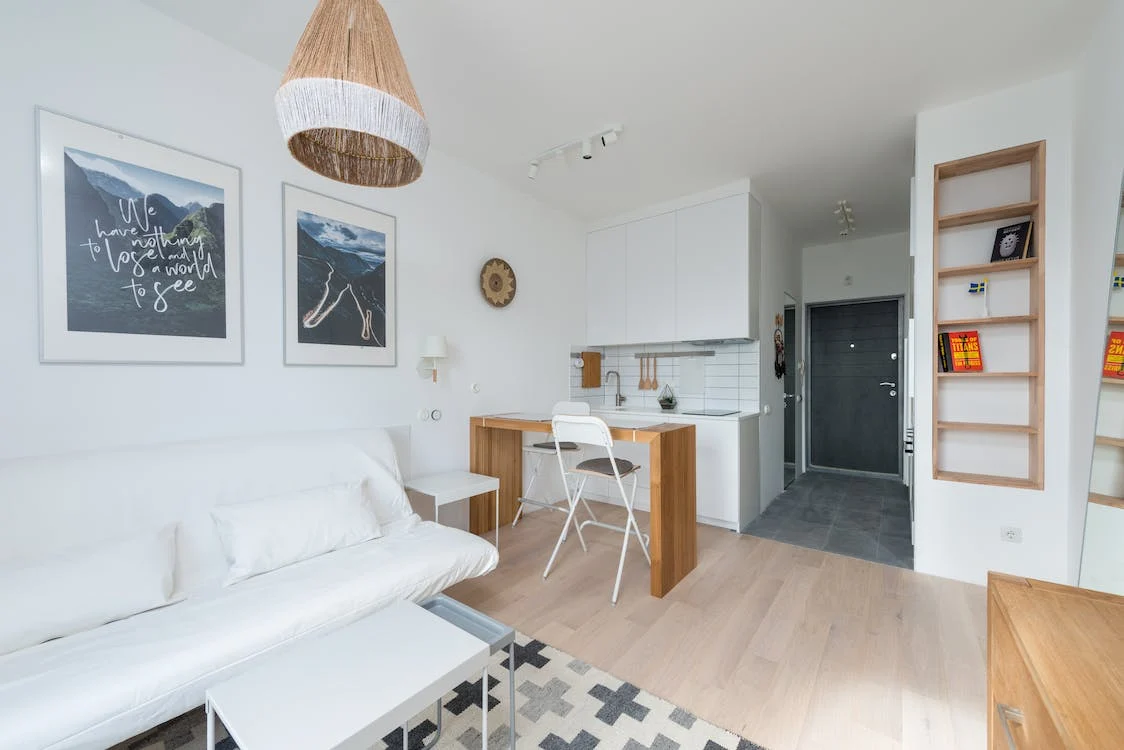
Furniture and decoration tips in the Japandi spirit
Combine furniture and decoration in the Japandi spirit by following these tips to create a harmonious and balanced interior:
Simplicity of lines
Choose furniture with clean, simple lines. Minimalist geometric shapes meet the Japandi aesthetic, balancing Japanese and Scandinavian influences. Furniture pieces such as coffee tables, shelving units and sofas should reflect this understated elegance.
Natural materials
Favour natural materials such as wood, bamboo and rattan. These choices bring an organic and warm touch to the space, whilst creating a connection with nature, a fundamental element of Japandi style.
Neutral colours
Opt for a neutral colour palette dominated by shades such as white, beige, grey and black. These colours create a calming backdrop and allow natural elements and accessories to stand out subtly.
A refined décor
Avoid overloading decorative elements. Carefully choose each piece to maintain visual balance. Empty spaces are just as important as the elements used, the aim being to create an airy and serene atmosphere.
Functional accessories
Incorporate functional and aesthetic accessories, such as wicker baskets near the living room coffee table, linen cushions, cosy throws on the sofa or wooden sets on the dining table. Decorative objects should also have a utility, thus contributing to the functionality of Japandi style.
Plants
Use green plants to add a touch of life to the home. Indoor plants such as Japanese bonsai or broad-leaved Scandinavian plants fit perfectly into this balance between the two décor styles.
Natural lighting
Maximise natural lighting as much as possible. Light blinds, linen curtains and simple light fittings promote soft, natural light that complements the Japandi aesthetic.
Minimalist art
If you choose to add wall art, opt for minimalist pieces. Black and white photographs, Japanese prints in the bedroom or simple illustrations can enrich the aesthetic without compromising the sobriety of the décor.
By following these tips, you will successfully create a Japandi interior that breathes harmony, where each element contributes to a serene and balanced atmosphere.
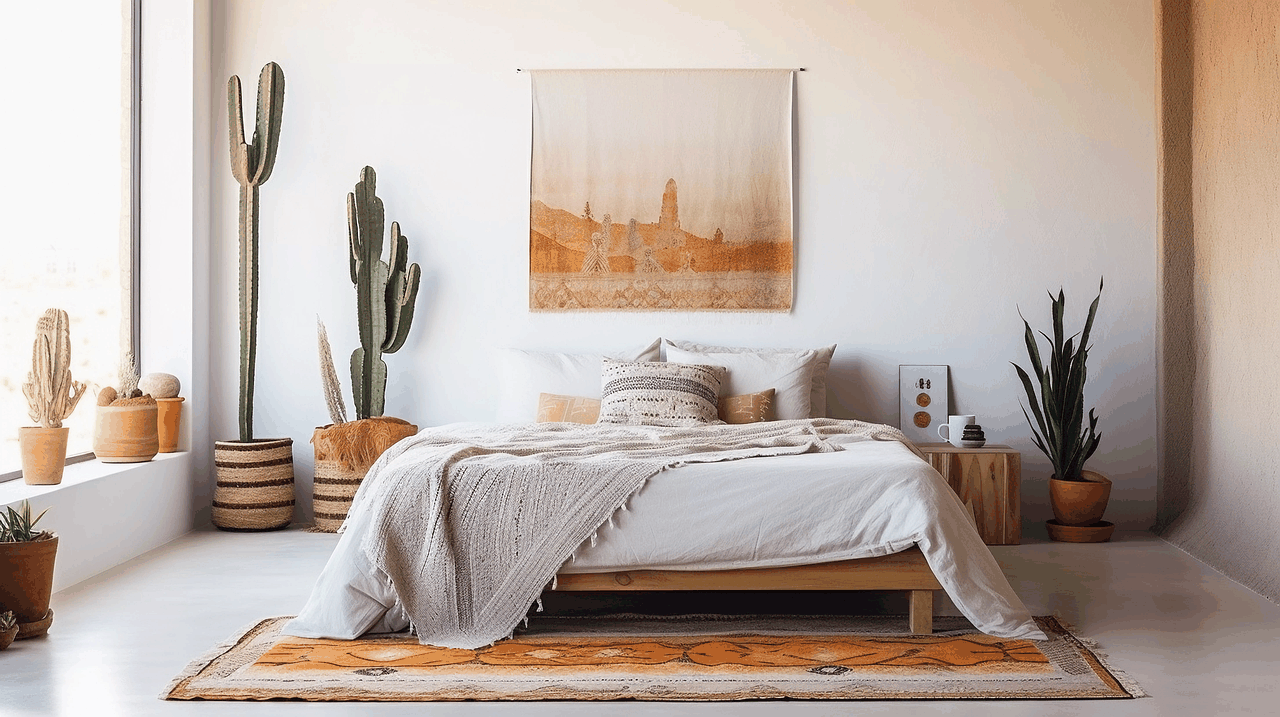
Japandi trend materials and colours tips
When considering adopting Japandi style in your interior, the choice of materials and colours is essential to create a balanced and calming atmosphere.
Natural materials
Favour natural wood for furniture, flooring and accessories. Opt for matt finishes and clean lines, highlighting the natural beauty of the wood.
Natural textiles such as linen, cotton and wool add a touch of softness for a warm ambience.
Neutral tones
As for colours, the Japandi décor palette is characterised by neutral shades such as white, beige, grey and black. These tones create a calm background and allow furniture and accessories to stand out. Don't hesitate to add subtle touches of soft, natural colours, such as almond green or pale blue, to bring discreet diversity without compromising the purity of the ambience.
To illustrate the harmonious palette of colours and textures in the Japandi spirit, here are two examples of possible combinations:
- Snow white and natural wood combination
Main colour: Snow white - Use pure white as the dominant colour for walls, furniture and textiles. This colour creates a calming and bright backdrop, characteristic of Japandi style.
Contrasting colour: Natural wood - Introduce natural wood elements, such as light oak furniture, pine mirror frames, shelving units or minimalist-style wooden door handles. The natural texture of wood brings warmth and authenticity to the space, perfectly complementing the refined white.
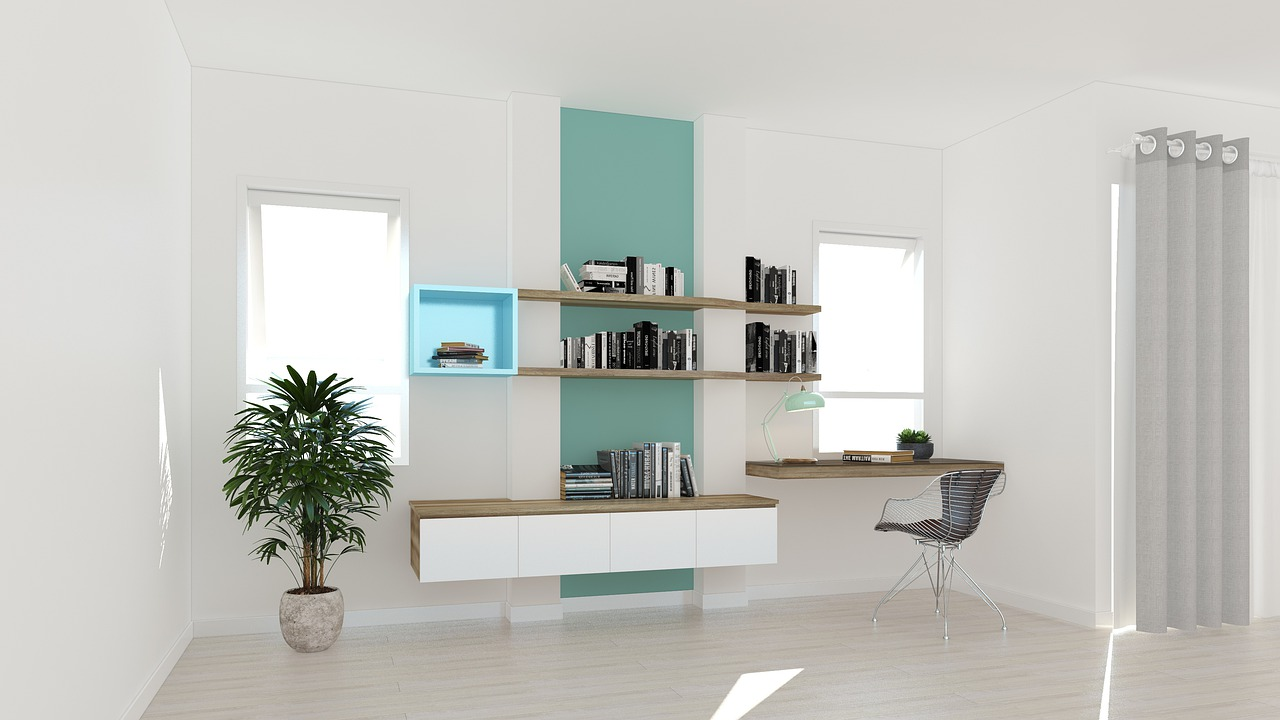
- Pebble grey and natural linen combination
Main colour: Pebble grey - Choose a soft and calming shade of grey to create a peaceful ambience. Use this colour on walls, doors or on furniture with light grey knobs. Pebble grey offers neutrality whilst bringing a certain depth to the space.
Contrasting colour: Natural linen - Incorporate natural linen textiles for bedroom curtains, cushions and living room rugs. The texture of linen adds a subtle tactile dimension, creating a zen atmosphere that invites relaxation.
These two combinations of colours and textures embody the Japandi aesthetic by combining the simplicity of neutral tones with the warmth of raw materials.
A zen balance
Remember to maintain visual balance by avoiding any overload of elements and let the sobriety of these combinations create a zen and refined environment.
Balance is the key to Japandi style. Favour quality of materials over quantity, by investing in timeless pieces that stand the test of time.
Finally, let natural light flood the space as much as possible to enhance the serene and balanced ambience dear to Japandi style.
With these tips, you can create a calming interior that perfectly embodies the fusion of Japanese aesthetics and Scandinavian functionality.
Japandi, an eco-responsible décor
Sustainable interior decoration
Japandi style brings together design style and eco-responsible trend. Japandi, by its very nature, is closely linked to sustainability and a conscious approach to the environment.
The fundamental principles of Japandi, such as the use of natural materials, the preference for simplicity and functionality of objects, and attention to balance, naturally converge towards an eco-responsible approach.
The choice of sustainable materials such as wood from responsible sources, bamboo and other natural materials reinforces the commitment to more environmentally-friendly consumption.
The sobriety inherent in Japandi also encourages sustainability by avoiding the waste of superfluous elements. By adopting Japandi, not only do you create an aesthetically balanced space, but you also participate in a movement towards a more planet-friendly lifestyle. By integrating sustainable practices within the Japandi framework, we shape an interior that combines beauty with eco-responsibility, a convergence perfectly aligned with contemporary aspirations focused on sustainability.
An eco-responsible décor
The choice of eco-responsible materials and handcrafted objects is a growing trend in contemporary decoration, offering a sustainable alternative full of character.
Opting for eco-responsible materials, such as wood, bamboo, organic linen or vegan leather, represents a commitment to preserving the environment. These materials, often sourced sustainably, help reduce the ecological footprint whilst offering a refined and authentic aesthetic.
Craftsmanship, meanwhile, adds a unique dimension to interior decoration. By incorporating handmade pieces, we celebrate traditional craftsmanship and support artisan communities. From hand-woven textiles to artisan pottery and hand-painted porcelain furniture knobs, each object tells a story and brings a touch of individuality to your interior.
These conscious choices not only reinforce the unique character of each room in the home but also contribute to a responsible lifestyle that respects our planet. By embracing this ethical approach to decoration, we participate in creating an interior that not only reflects our personal style but also our commitment to a more sustainable future.
In conclusion, Japandi style is the result of a harmonious marriage between refined Japanese aesthetics and Scandinavian functionality. The principles of Japandi (minimalism, simplicity of lines and the use of natural materials) make it possible to create a modern, refined and comfortable interior that stands the test of time.
Japandi offers much more than just an interior decoration style. It's a design philosophy that adapts to diverse cultural influences. Adopting Japandi at home means investing in a timeless interior that reflects not only your personal taste but also your commitment to simplicity and sustainability. It's an invitation to create a home that inspires peace and connection with nature, a space where the balance between modern and timeless endures with grace.
Comments
No comments yet!
Leave your comment