


.jpg)
.jpg)

PRM (People with Reduced Mobility) Door Handle Standards
Understanding PRM standards for door handles suitable for people with disabilities
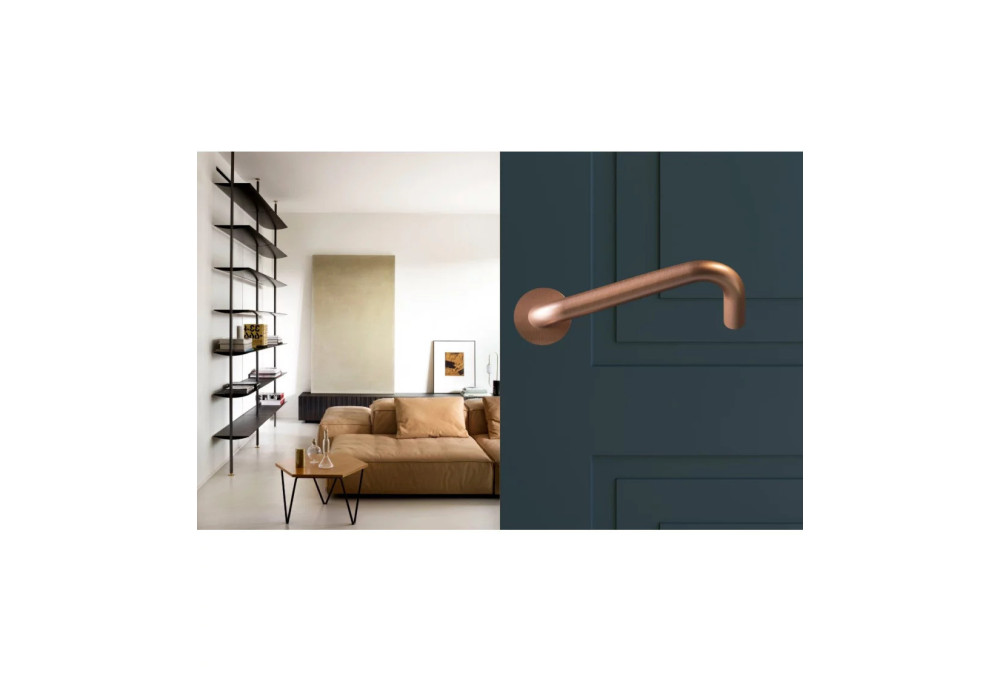
Understanding PRM standards for door handles suitable for people with disabilities
Accessibility for people with disabilities is a legal and societal imperative. This concerns disabled people, those in wheelchairs or with other reduced mobility. Door handles must be designed to facilitate access to buildings, whether in new housing, public buildings or as part of making existing buildings accessible.
French Regulations and Legal Framework for PRM Accessibility
In France, regulations relating to PRM standards (People with Reduced Mobility) are governed by several laws and decrees. These provisions aim to ensure building accessibility for people with disabilities, whether they are in wheelchairs, visually impaired or with motor impairments.
Here are the specific points concerning door handles. Several laws define the accessibility rules for public buildings, private housing and public infrastructure.
A. Applicable Legislative Framework
* Disability Act of 11th February 2005
This law, which concerns equal rights and opportunities, requires that all new and existing buildings accessible to the public (public buildings) or intended for collective housing be adapted to accommodate people with disabilities.
* Construction and Housing Code (CCH)
Articles R111-18 to R111-19-2 define specific rules concerning building accessibility. Door handles are directly concerned by the following requirements:
. Handles must be positioned at a height between 90 cm and 130 cm from the floor to be accessible to people in wheelchairs.
. Their mechanism must be operable without excessive effort (force less than or equal to 5 Newtons).
. They must be usable without requiring wrist twisting, which excludes round handles requiring a firm grip.
* Order of 1st August 2006
This order specifies the technical requirements applicable to public buildings and public facilities (Installations Ouvertes au Public). For door handles, here's what you need to know:
. Doors in public buildings must allow a usable passage of at least 0.83 metres for wheelchairs.
. The space in front of a door must include a manoeuvring area of 1.50 metres to allow a U-turn.
. Doors fitted with handles must be easily identifiable by visually impaired people, particularly through visual and tactile contrasts.
These laws (2005 Disability Act, Order of 1st August 2006 or Construction and Housing Code (CCH)) aim to make common areas, entrance doors and all equipment accessible to people in wheelchairs or with disabilities.
Exemptions may apply in certain cases, such as for listed buildings or those with major technical constraints.
Exemptions
In certain cases, exemptions may be granted, particularly for:
. Buildings listed as historical heritage.
. Situations where major technical constraints make compliance impossible.
However, these exemptions must be justified and validated by the Departmental Consultative Commission for Safety and Accessibility (CCDSA).
B. Specific Technical Standards for Door Handles
Dimensions and Positioning
. Installation height: between 90 and 130 cm, ideally at 105 cm for universal access.
. Passage width: the fitted door must guarantee a usable passage of 83 cm when open.
. Easy operation: handles must be usable without wrist twisting, minimising effort (less than 5 N).
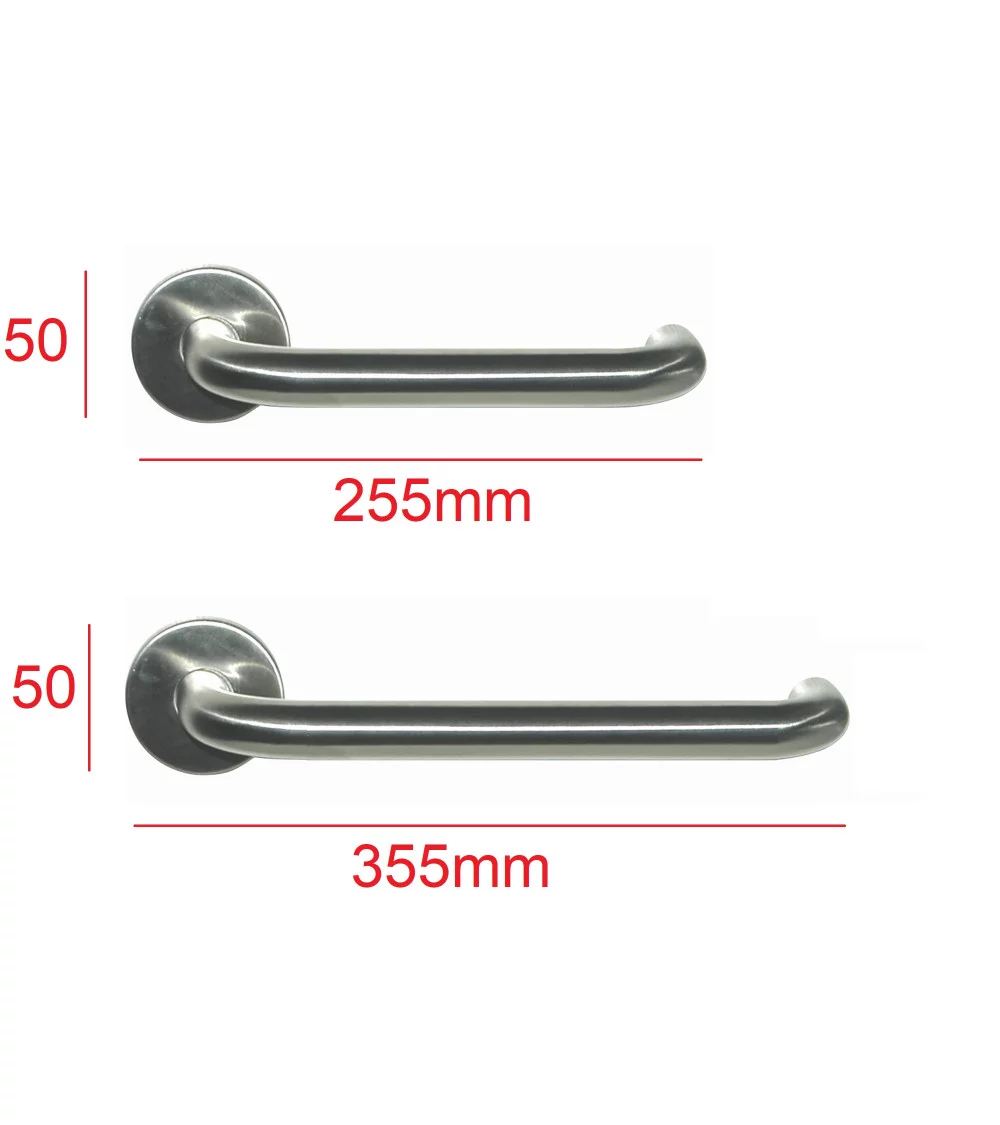
. Suitable design: prefer lever models or pull bar models for heavy doors.
. Manoeuvring space: a minimum clearance of 1.50 metres in front of the door to allow a wheelchair to turn around.
Accessibility and Safety
. Maximum force: the handle must not require more than 5 Newtons to be operated.
. Absence of obstacles: no part of the handle must represent a danger (sharp edges, protruding corners).
. Signage: handles can incorporate tactile elements, such as Braille, for visually impaired people.
Recommended Types of Handles
. Lever handles: preferred for their ease of use by people with motor disabilities or gripping impairments.
. Pull bars: often used for sliding doors or glass doors.
C. Application in Different Building Categories
Public Buildings
Public buildings must comply with accessibility standards for all doors, including entrance doors, bathroom doors and accessible toilet doors.
Example: accessible toilets must be equipped with handles that can be operated by a person in a wheelchair, with lateral manoeuvring space for an assistant if necessary.
Collective Housing and New Individual Houses
New housing must incorporate arrangements allowing access for people in wheelchairs or with reduced mobility, including in common areas.
Handles on entrance doors or internal doors must meet defined accessibility standards.
Compliance of Existing Buildings
Owners of public buildings or co-ownerships must prepare an Ad'AP (Scheduled Accessibility Agenda) to plan compliance work. Door handles are an element often concerned by this work.
D. Inspections and Penalties for Non-Compliance
Failure to comply with accessibility standards can result in:
* An administrative fine of up to 45,000 euros for project owners.
* An inability to issue building permits or work authorisations.
* A risk of administrative closure for non-compliant public buildings.
Complying with PRM standards for door handles is essential to ensure accessibility for disabled people and avoid penalties. These requirements apply to all public buildings, new housing and during compliance work.
Characteristics of Handles Compliant with PRM Standards
Accessibility and Ergonomics
Handles must be accessible to visually impaired people or people in wheelchairs. The use of tactile signage, such as Braille, may be considered.
Rounded and non-slip shapes improve the user experience, particularly for people with motor impairments.
Materials and Durability
Handles must be durable and suitable for intensive use, such as in lifts or accessible toilets.
Aluminium, stainless steel or materials with a matt finish ensure a secure grip, even with wet hands. Brass, zamak or bronze also offer good durability performance.
Compliance with Usage Spaces
Handles must comply with the minimum door passage widths (generally 90 cm for wheelchair access).
For sliding doors, a pull bar (also called a marechal's baton) is ideal.
Models Suitable for People with Disabilities
Here are examples of handles that meet accessibility standards:
* Ergonomic lever handles: For internal or external doors accessible by wheelchair and particularly suitable for seniors.
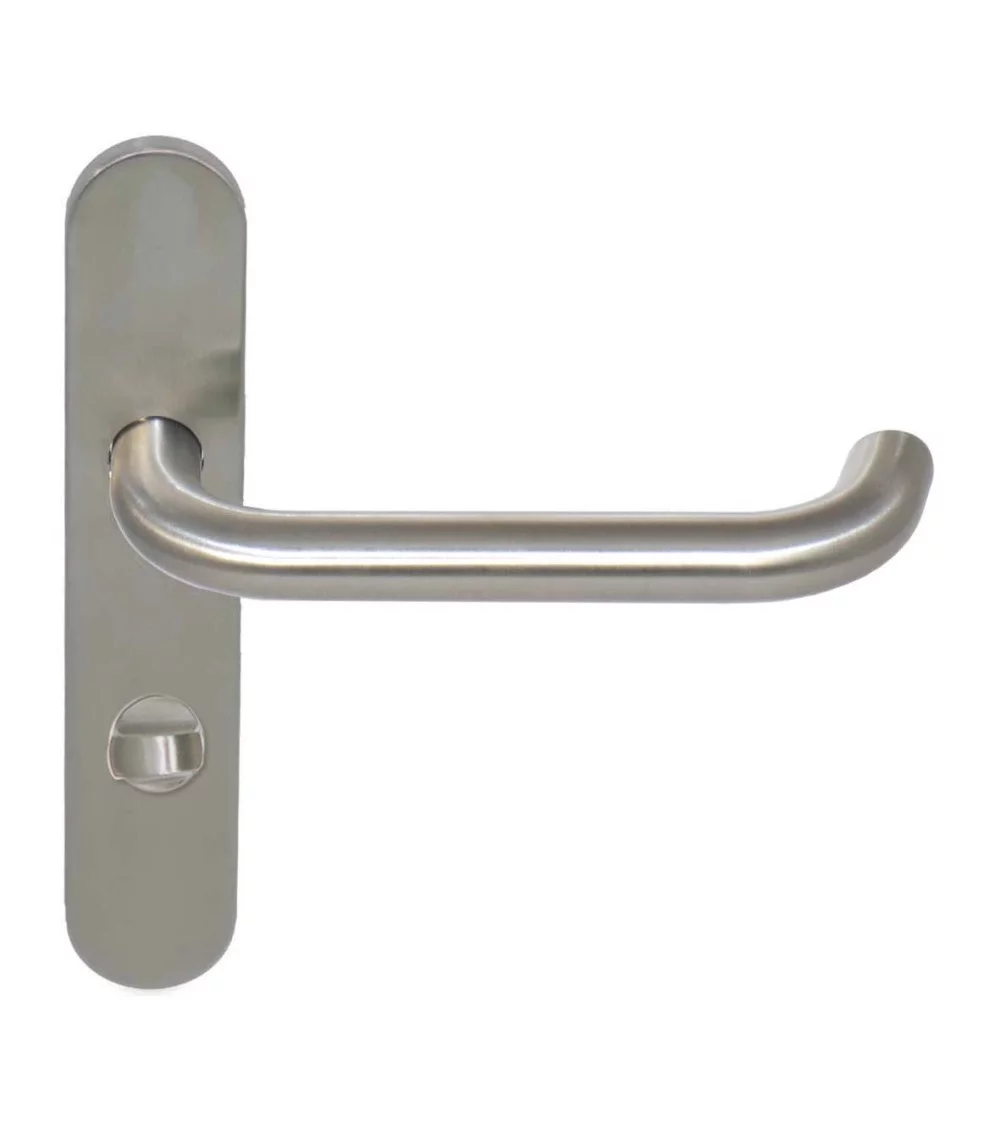
* Vertical or horizontal pull bars: Particularly suitable for public buildings and doors equipped with an access ramp.
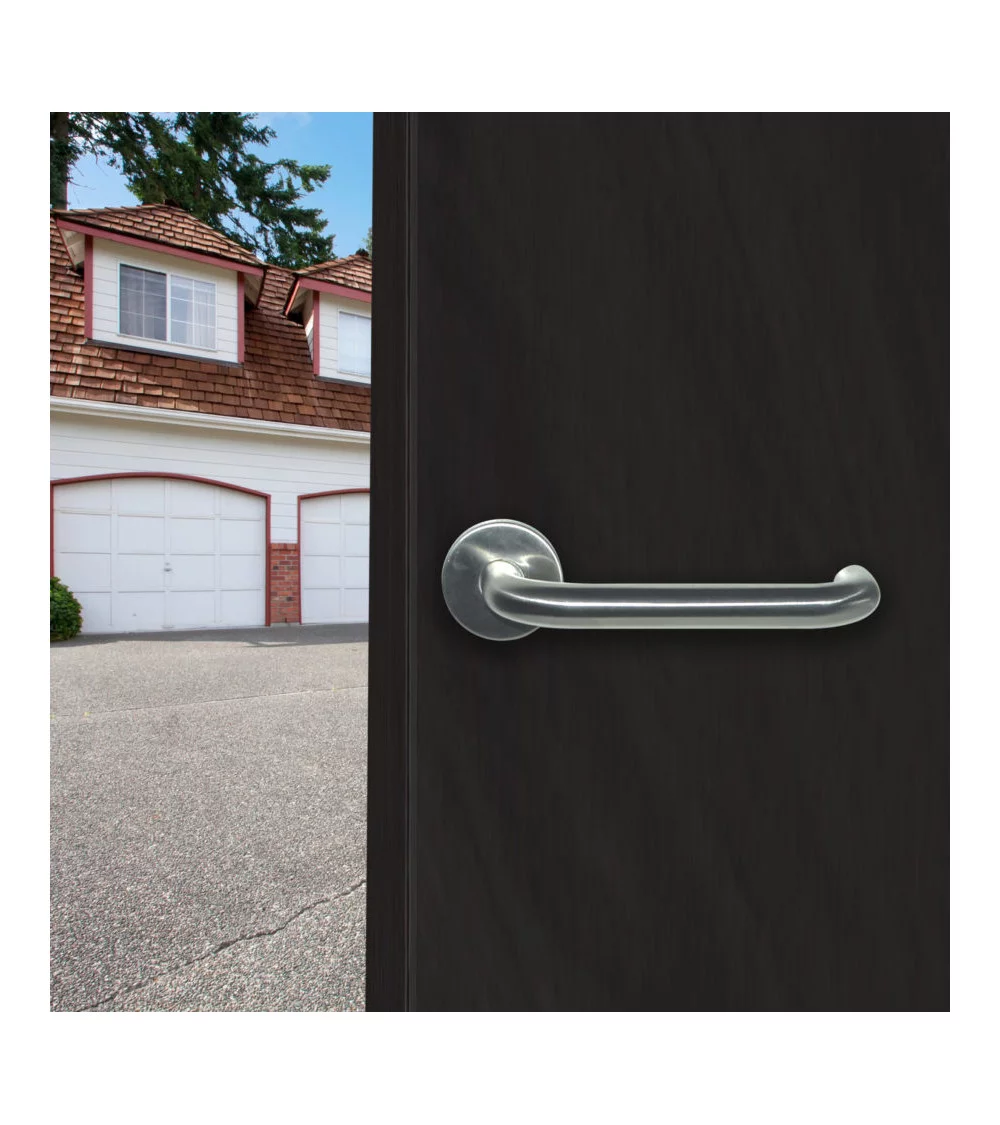
* Handles with return springs: They ensure automatic closing to avoid any obstruction in circulation areas (see article on advantages of return springs for door handles).
Complying with PRM standards means ensuring that your buildings or home are accessible to disabled people, particularly those in wheelchairs or with reduced mobility or to seniors whose mobility is limited. Whether you are a project owner or property owner, choosing handles suitable for people with reduced mobility is essential to promote accessibility and circulation in residential buildings or those open to the public.
Discover our selection of handles compliant with PRM standards. Please contact us with any questions about compliance work.
Comments
No comments yet!
Leave your comment