


.jpg)
.jpg)

Should you lubricate a door handle?
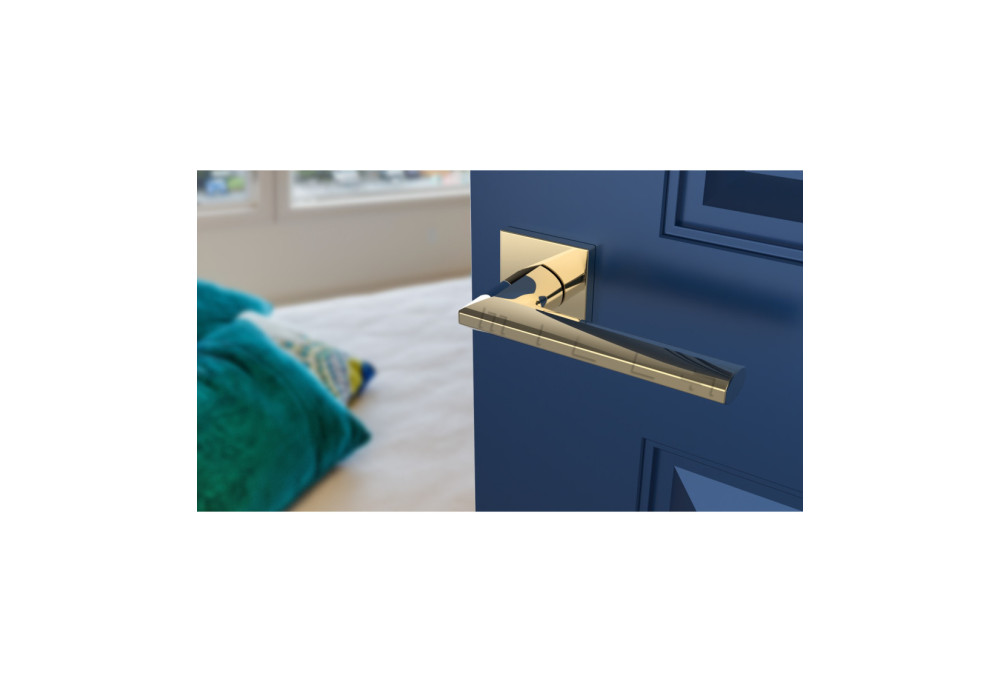
Squeaky door handle? A little grease can make all the difference! Tips and tricks.
Squeaky door handle? A little grease can make all the difference! Tips and tricks.
Lubrication: a simple gesture to maintain your hardware
Door handles, whether fitted on an entrance door, an interior door, an armoured door or a garage door, are subject to friction and daily wear. Squeaking, resistance when opening the door, play in the lever: these are all signs that lubrication is needed. Yes, you should lubricate an interior or exterior door handle, but with the right lubricants and by following a few simple rules.
Why lubricate a handle?
Lubricating allows you to:
* Reduce friction in the bearings or return spring,
* Prevent corrosion or rust on metal parts (steel, stainless steel, solid brass, zamak),
* Extend the lifespan of handles, levers or door knobs,
* Prevent jamming, especially on exposed models such as entrance doors, French doors, sliding doors or communal doors.
Lubrication is an essential maintenance habit, especially if your handles are installed in high-traffic areas or exposed to humidity.
Handle or lock: what needs lubricating?
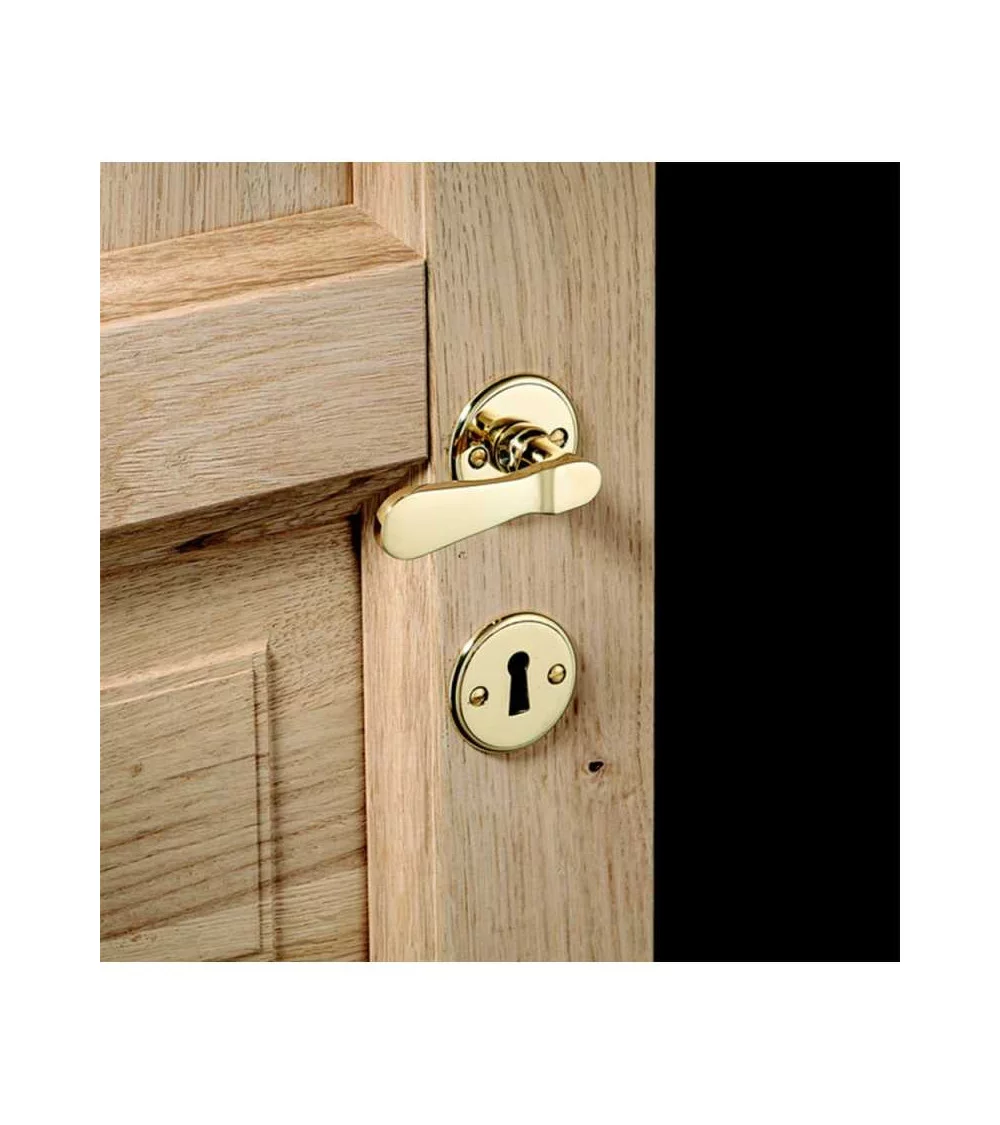
The handle and the lock are often confused, but they do not require the same treatment:
* Lubricating the handle targets the double lever, the spindle, the roses, the spring or the trims. It facilitates mechanical movement.
* Lubricating the lock (or lock cylinder) concerns the bolt, the strike plate, the cylinders, the faceplate, the espagnolette (for sliding doors or bay windows), and sometimes the rollers or wheels of a multipoint system.
** Pro tips **
Avoid using grease that is too thick on a mortice lock, surface-mounted lock, or shrouded lock. Prefer products suited to locksmithing: an oil can, lithium grease, penetrating spray or molybdenum disulphide lubricant.
What product should you use to lubricate a handle?
For handles in matt stainless steel, anodised aluminium, satin nickel or chrome, use a non-corrosive synthetic lubricating oil.
For vachette, forged or bronze handles, opt for white grease or lithium-based lubricant.
In the event of seizing, a multi-purpose penetrating aerosol spray (such as WD-40) is sufficient.
Avoid aggressive solvents or unsuitable cutting oil.
How do you go about lubricating handles?
Here are the steps to follow to lubricate your door handles:
- Remove the handle or pull back the trims using a suitable screwdriver.
- Spray a small amount of lubricant onto any visible axles, bearings or bushings.
- Operate the lever several times to distribute the product.
- Wipe away any excess with a soft cloth to prevent dirt build-up.
** Do not forget the fixing screws, which are often prone to oxidation, as well as the hinges if they squeak or as a preventive measure.
What about locks?
For an entrance door lock, communal door, sliding door or armoured door, maintenance is even more crucial. Use a lubricant specially designed for locks, sometimes enriched with anti-friction additives, for your multipoint locks, European cylinder, or high-security bolts. Never force a seized barrel: you risk facilitating a break-in if the security level is low.
In summary
Lubricating a door handle means fighting against rust, improving ease of use and extending the lifespan of your hardware. It is also a simple way to prevent expenditure on locksmith call-outs, lock replacement or locksmith interventions.
To find out how to lubricate your handles, change a lock or maintain a bolt, consult our professional advice on Milla Handles and discover our selection of interior door handles, bolts, mortice locks, stainless steel sets, decorative hardware accessories and tools.
Comments
No comments yet!
Leave your comment