


.jpg)
.jpg)

Walter Gropius Architecture: the Bauhaus legacy in design and architecture
Walter Gropius and the Bauhaus movement
Walter Gropius and the Bauhaus movement
In 1919, in the aftermath of the First World War, Germany was painfully recovering from its ruins. It was in this context of reconstruction that Walter Gropius, inspired by the ideas of William Morris and the De Stijl movement, founded the Bauhaus movement. This visionary school aimed to train artists and craftsmen capable of rethinking the built environment with an innovative approach, favouring functionality and economy in the creation of everyday objects. Today, its influence can be found both in modern architecture and in design details, particularly in the design of door handles.

The Bauhaus philosophy: minimalism, functionality and collaboration
Bauhaus is distinguished by its quest for simplicity and rationalisation in art and design. Clean geometric forms, the use of industrial materials such as steel, glass and concrete, as well as a timeless aesthetic are at the heart of this approach. Collaboration between artists and craftsmen is a major characteristic of the movement that has greatly contributed to ensuring that every Bauhaus-style creation, whether it be a piece of furniture or a designer interior door handle, is both beautiful and practical.
The influence of Walter Gropius in modern architecture
Walter Gropius is not only the founder of Bauhaus, he is also a pioneer of modern architecture. His ideas have largely contributed to the development of the International Style, characterised by clean lines, an absence of superfluous ornamentation and an intelligent use of industrial materials. Renowned architects such as Ludwig Mies van der Rohe and Le Corbusier were profoundly influenced by his principles, which remain an essential reference in contemporary architecture.
Bauhaus and door handle design
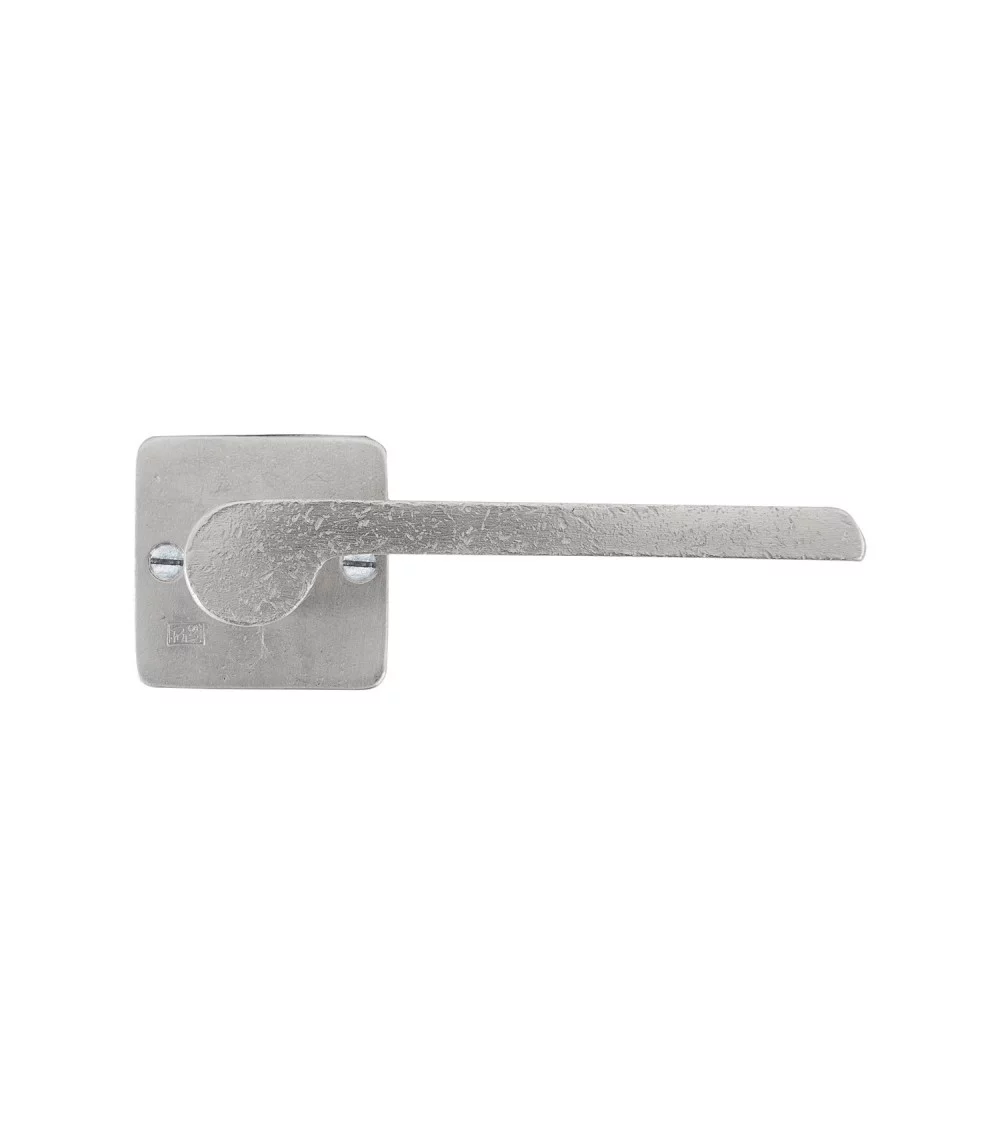
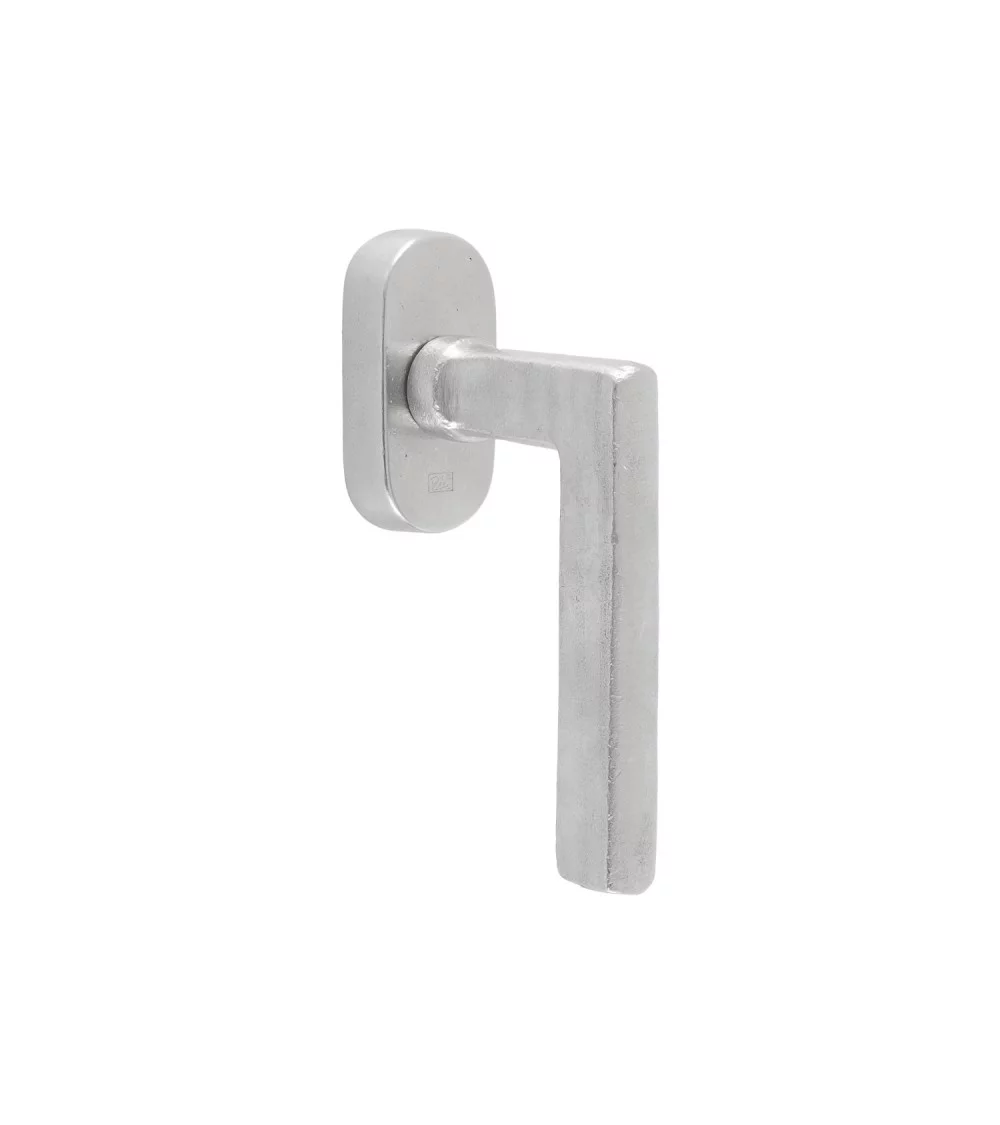
The influence of Bauhaus is not limited to buildings; it also extends to everyday objects, such as door handles. The movement's designers, keen to combine aesthetics and ergonomics, devised clean and functional models. For example, Wilhelm Wagenfeld, a Bauhaus collaborator, designed cylindrical handles with an innovative honeycomb texture for better grip. These creations perfectly illustrate the simplicity and durability of Bauhaus design.
1928 door handle inspired by the creation of industrial architect Wilhelm Wagenfeld
Ph1920 window handle inspired by the work of designer Wilhelm Wagenfeld
The legacy of Bauhaus today: between architecture and design objects
The principles established by Walter Gropius and his collaborators still resonate in contemporary architectural and industrial design. The emphasis on functionality and simplicity influences both the construction of buildings and the manufacture of everyday objects, such as door handles. This dual dimension, both structural and detailed, offers continuity between the overall architecture and the design elements that compose it.
Objects designed under the influence of Bauhaus are not merely accessories: they embody a philosophy that emphasises efficiency and harmony of forms. By adopting these principles, today's designers perpetuate a tradition that prioritises quality and timelessness.
From Bauhaus to contemporary design: a bridge to Art Deco
Although Bauhaus and Art Deco are two distinct movements, they share a common desire to modernise everyday aesthetics. Whilst Bauhaus favours sobriety and functionality, Art Deco focuses on elegance and luxurious materials. To discover another facet of period design, do not hesitate to explore our article on Art Deco style 1920-1930.
Comments
No comments yet!
Leave your comment