


.jpg)
.jpg)

What is zamak?
Have you ever heard of the revolutionary and innovative material that is Zamak? Discover everything you need to know about it in our article.
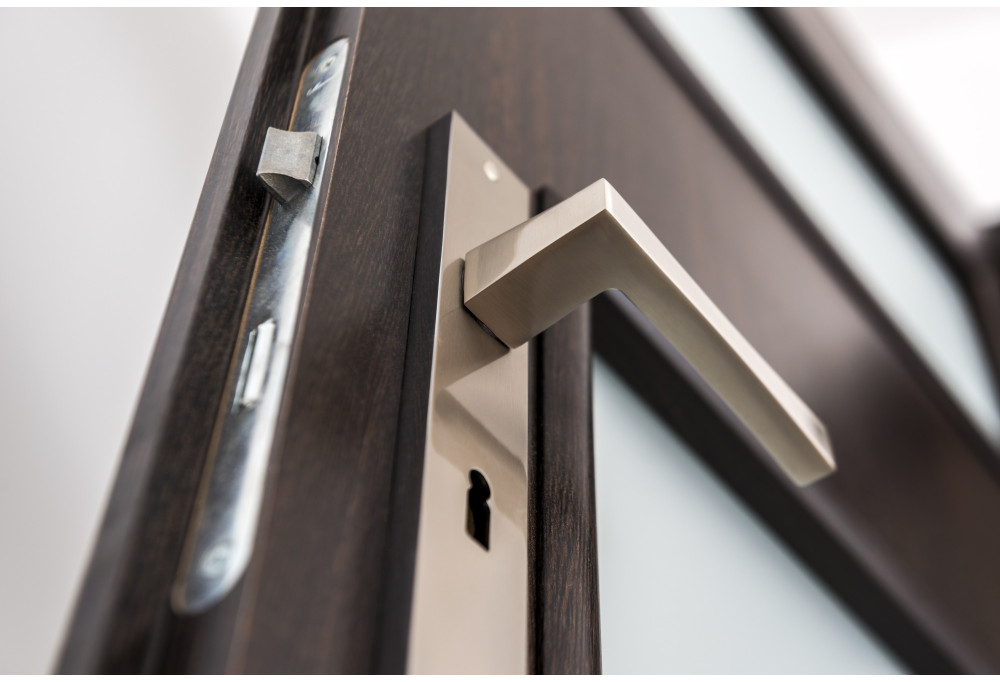
Have you ever heard of the revolutionary and innovative material that is Zamak? Discover everything you need to know about it in our article.
Zamak is a material that can be adapted to various uses, including precision instruments, tooling, electrical equipment, hardware, etc. It is an exceptional material highly valued by designers for its high levels of mechanical strength, hardness and rigidity. Zamak, derived from die-cast zinc moulding, offers high performance, long service life and good value for money.
If you would like to learn more about this subject, this article is for you.
Zamak in brief
The trade name Zamak dates back to 1926 and was patented by a New Jersey company. Zamak is a family of alloys whose main composition is zinc at 95%. The other alloying elements are Aluminium (4%), MAgnesium and Copper (K for Kupfer) (1%), hence its name Z.A.MA.K.
Zamak has low melting points, requiring a relatively low heat level and requiring neither flux nor protective atmosphere.
Due to its high fluidity, zamak can be cast with thinner walls than other die-cast alloys. Moreover, it can be die-cast with tighter dimensional tolerances.
There are several types of zamak. Among the most commonly used in die casting are Zamak 12, Zamak 13 and Zamak 15. The main difference lies in their copper content ranging from 0 to 3%. This influences their properties. Note that copper serves to increase the strength and resistance of zinc alloys.
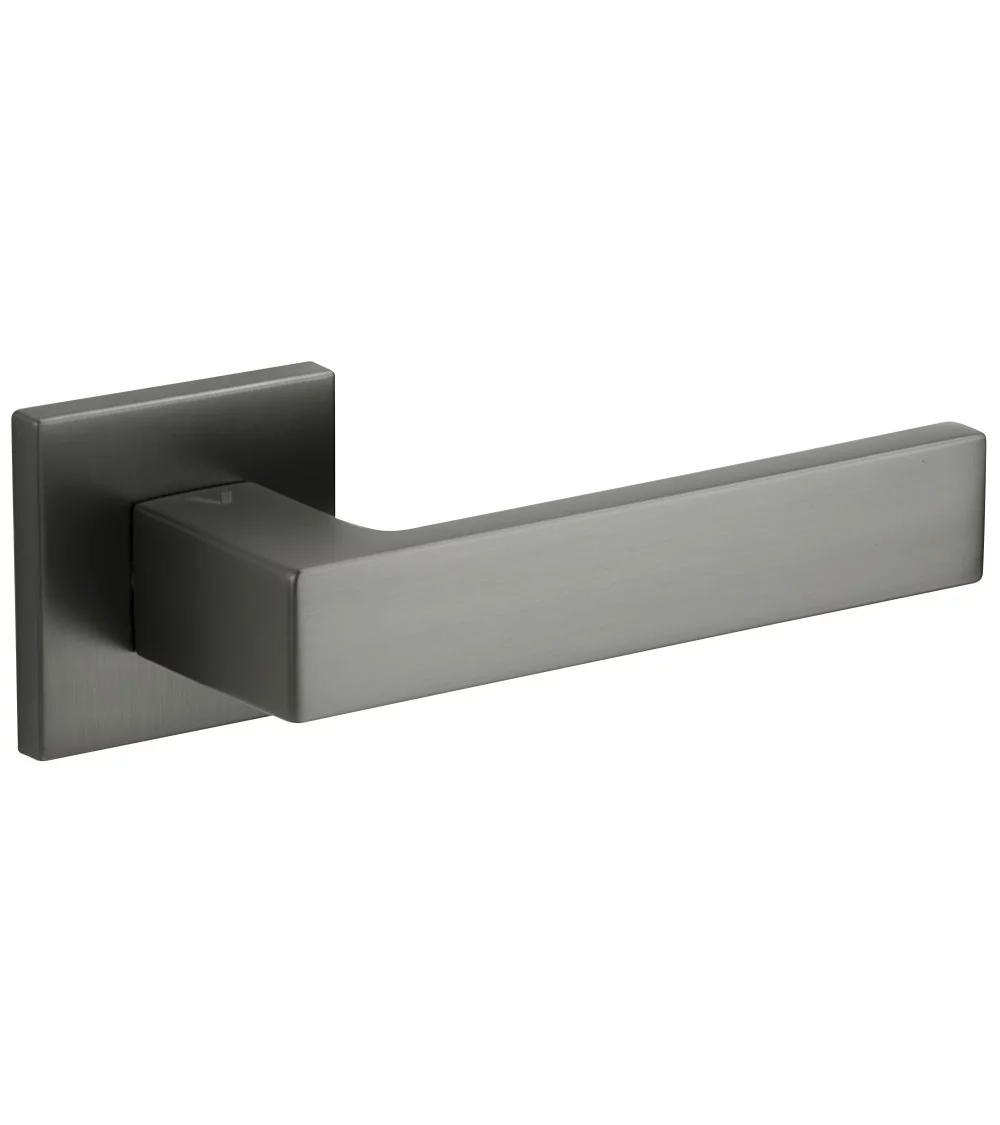
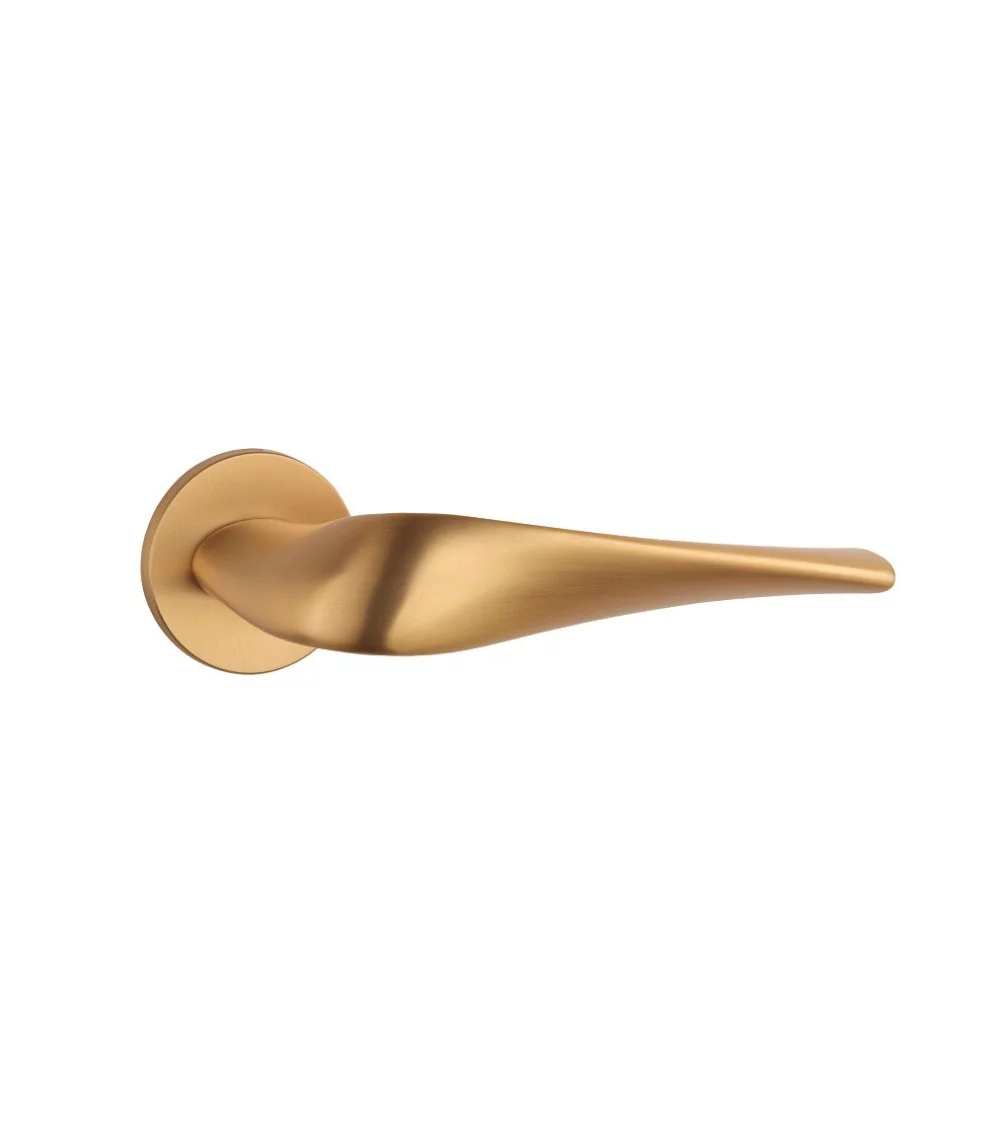
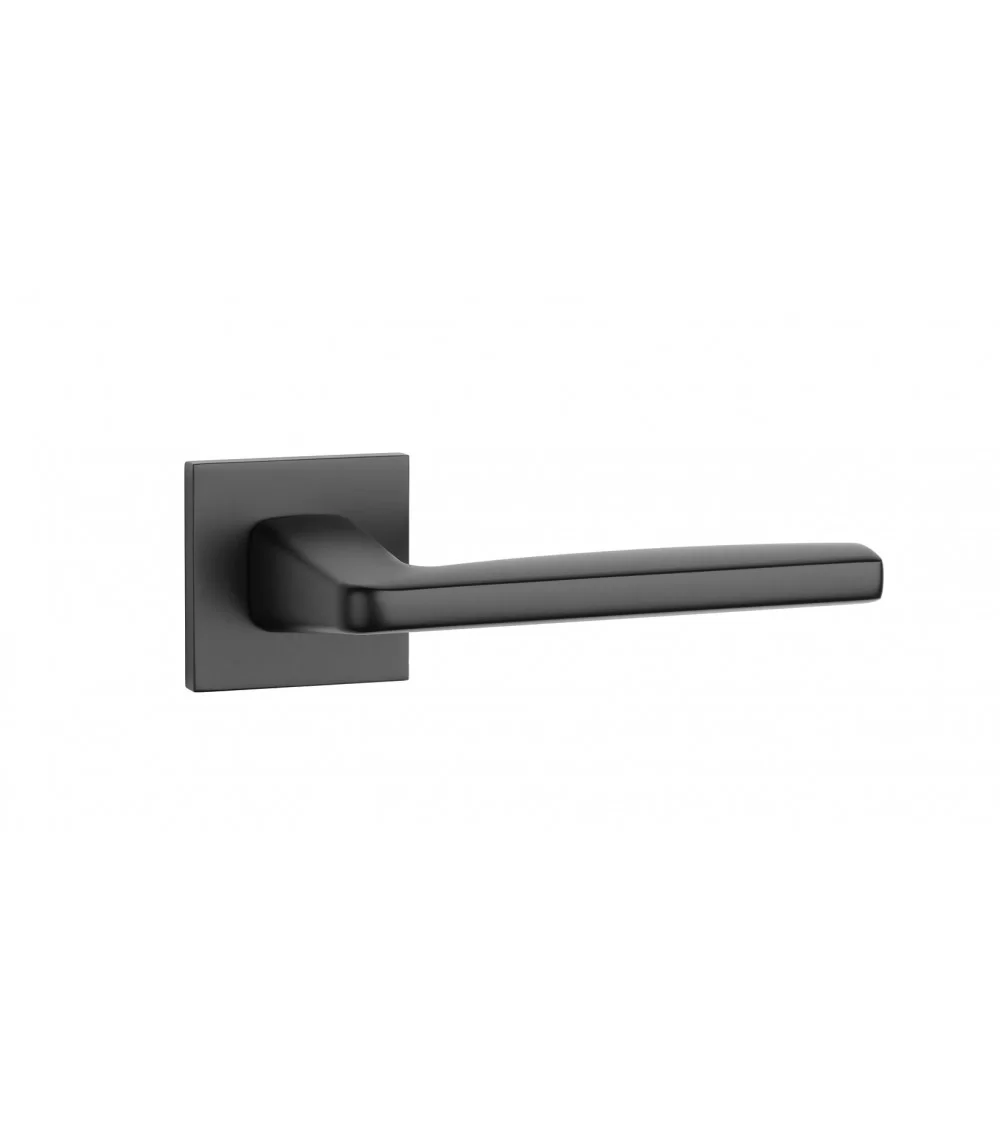
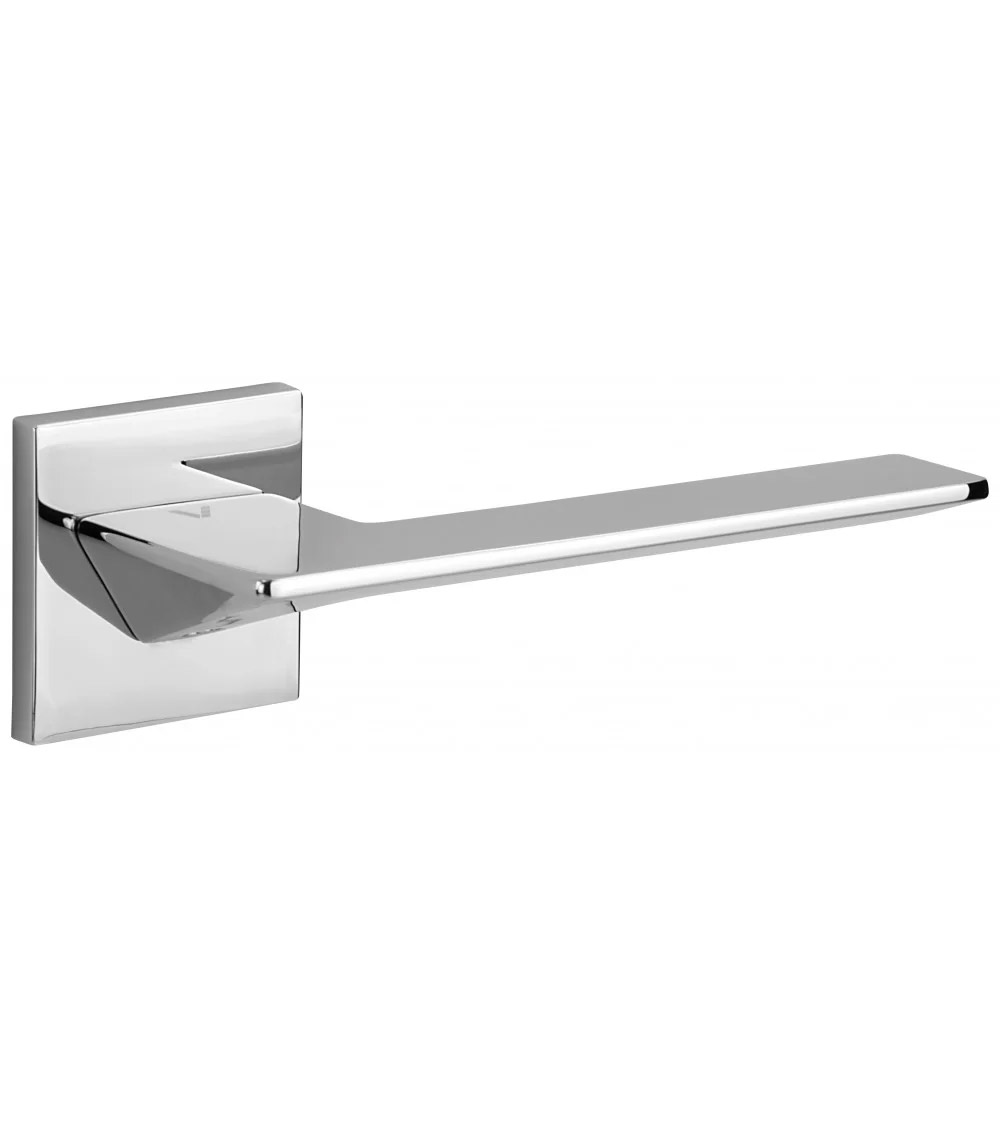
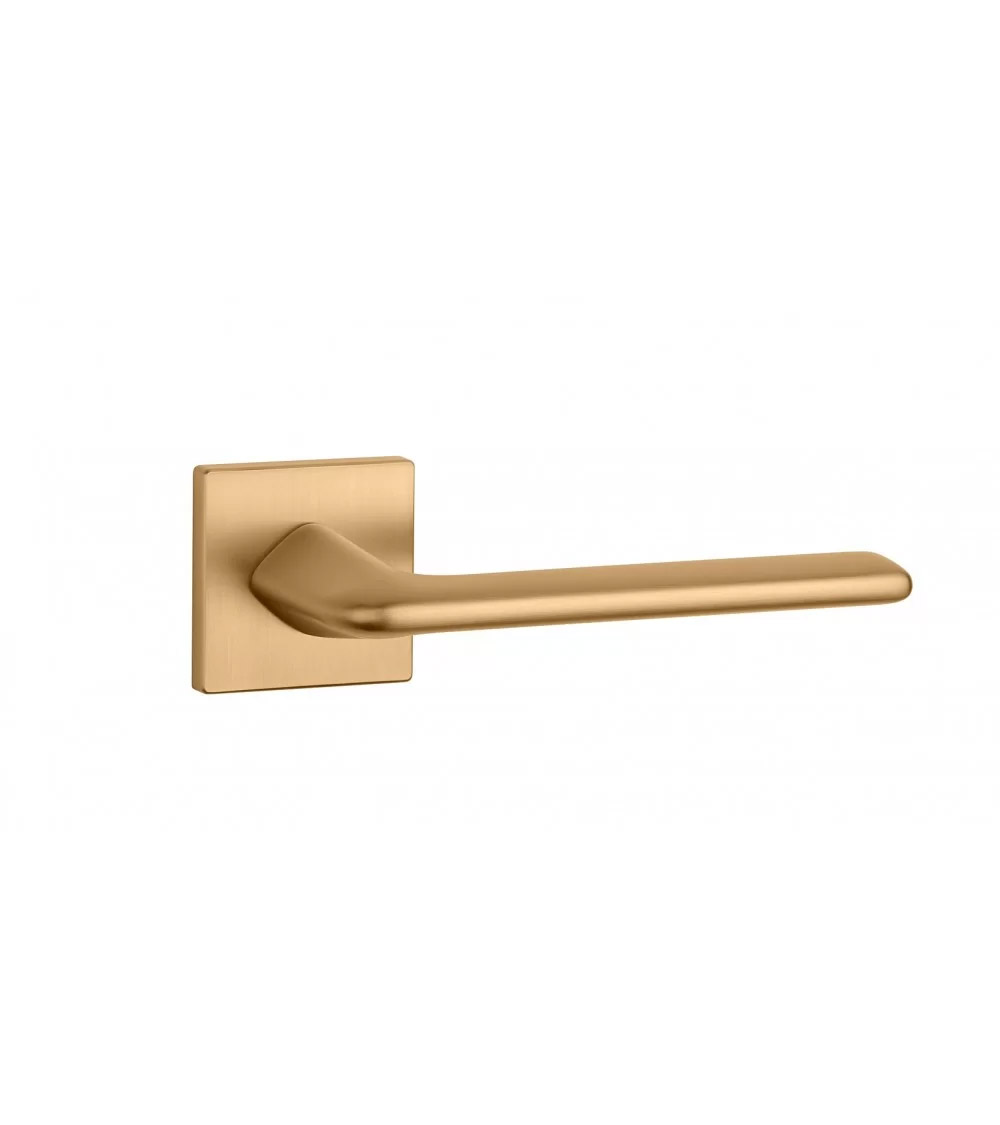
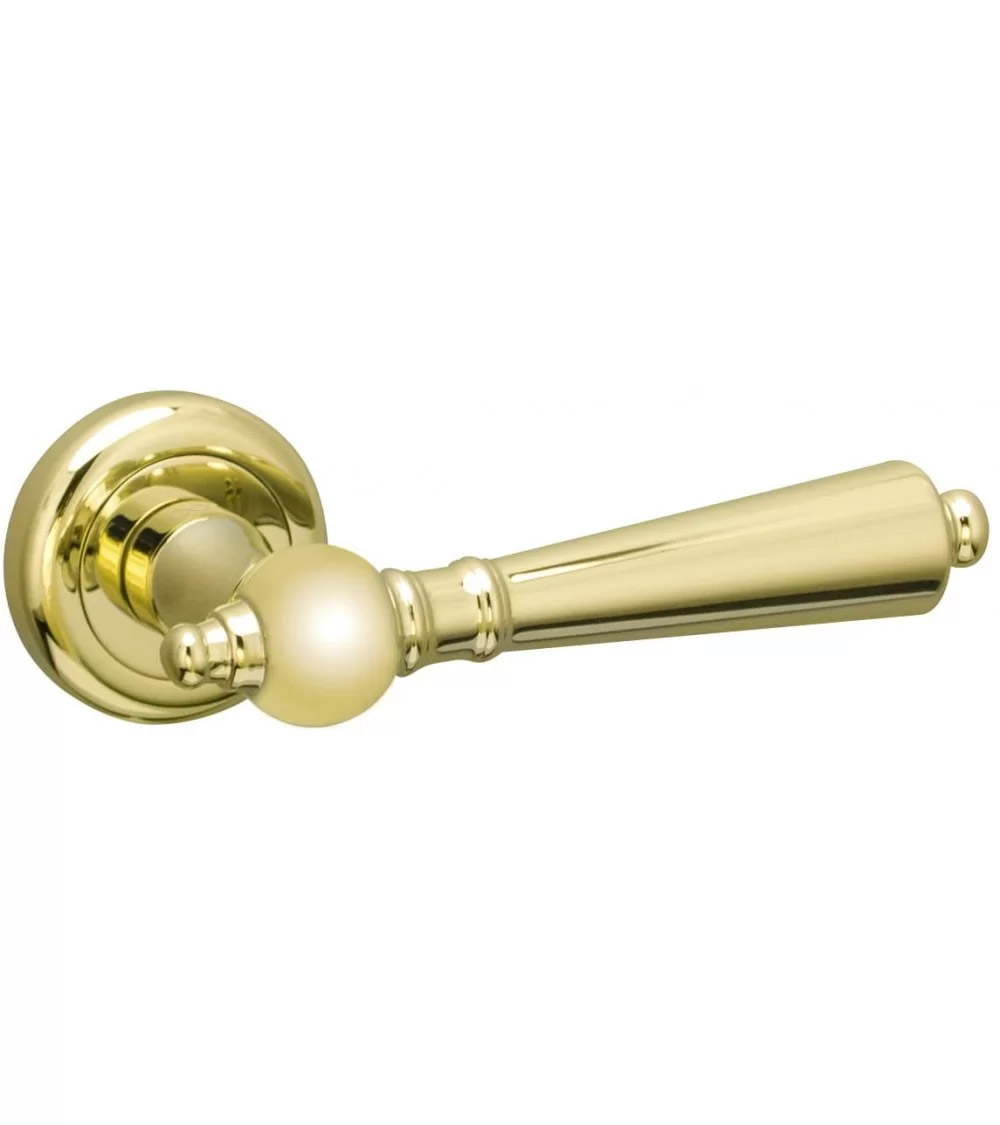
Our finest zamak handles
 |
 |
 |
 |
 |
 |
Zamak and its various properties
Zamak is manufactured in the form of pure zinc ingots and typically has the following properties:
- High production speed;
- Electrical and thermal conductivity;
- High resistance to friction;
- Recyclability;
- Dimensional precision, tolerance and repeatability;
- Suitability for numerous surface treatments;
- Tool longevity;
- Complexity of shapes and fineness of details;
- Sealing;
- Easy cleaning;
- Environmentally friendly;
- Etc.
For information:
- ZAMAK 12: This alloy has the best qualities in terms of robustness and tensile strength
- ZAMAK 13: This alloy is characterised by its strength and dimensional stability during aging.
- ZAMAK 15: This alloy exhibits good impact resistance and dimensional stability over time, similar to ZAMAK 13. It also has very good corrosion resistance even in extreme environmental conditions.
Zamak and its advantages
Zamak is an eco-friendly material, strong and economical. Few other engineering materials offer this combination of strength, rigidity, solidity and moulding cost. That's why it's one of the most valued materials for manufacturing quality door handles, locks and other parts dedicated to home security.
The mechanical properties of zamak are comparable to, or even superior to, those of plastics, aluminium, magnesium and bronze. The numerous moulding and finishing processes make zamak a quick-to-work and highly cost-effective material.
Zamak and its various uses
Here are some examples of the use of zamak in our surroundings.
Zamak in the medical sector
Zamak is present almost everywhere in medical practices and hospitals, particularly in: defibrillators, blood pressure monitors, stethoscopes, bedside tables, hospital beds, IV stands, infusion pumps, inhalers, artificial respirators, ionisers, air purifiers, portable oxygen concentrators, artificial feeding pumps, lifting seats, monitoring equipment, wheelchairs, crutches, etc.
Zamak in the automotive industry
Die casting is an effective solution for manufacturing lighter vehicles. As the automotive industry grapples with constantly evolving market challenges, the production approach must also follow the trend to achieve lighter vehicles by using even larger and more complex die-cast parts with increasingly innovative materials such as zamak.
We can therefore say that the use of zamak in the automotive industry perfectly meets the desire of many manufacturers to reduce emissions by creating lighter vehicles. Reducing the overall weight of the vehicle limits the energy required to move it. This leads to reduced fuel consumption, optimised range and limited emissions due to the increasing number of vehicles on our roads.
Zamak in jewellery
Zamak is a premium material, 100% recyclable, with good strength and good plastic deformability, whilst remaining affordable. These characteristics make it perfect for making jewellery and fashion accessories.
Besides jewellery, zamak is an essential complement to leather and fur garments. It replaces brass, for aesthetic purposes, but also to minimise the investment costs made by major fashion and jewellery companies worldwide.
Zamak in the construction sector
Zamak constitutes a significant advantage in terms of accessories used in the manufacture of door handles, stair handrails, balustrades or guardrails. Equipped with excellent hot chamber die-casting flowability, zamak enables the production of thin and complex parts such as glass clips, clevis fittings, guardrail hardware, bases and end caps. All this whilst achieving very precise details and a surface finish without machining.
Zamak allows for precise finishes: the chrome-plated zamak handle is a perfect illustration.
see our chrome-plated zamak door handles
Furthermore, zamak is distinguished by its high mechanical strength, great rigidity, long service life, optimal performance and strong corrosion resistance. That's why it's ideal for installation indoors, outdoors, or even in harsh outdoor environments (marine, tropical, etc.). Zamak door handles, as well as zamak handrails and guardrails, will never be attacked by gaseous fuels or refined liquid hydrocarbons used for any domestic purpose.
Zamak in electronics
The advantages of using zamak in electronics are numerous. But to give you an idea of its potential, here are some examples of products made from this material:
- Household appliances: Zinc alloys can be used to create supports, internal structures or as decorative finishes.
- Car keys: zamak parts can be added to these items for decoration (key rings)
- Intercom: zamak can be arranged as metal complements with high resistance and highly decorative appeal.
- etc.
Comments
No comments yet!
Leave your comment