


.jpg)
.jpg)
Why incorporate porcelain into your interior decoration?
Porcelain in our interiors: a blend of refinement and durability
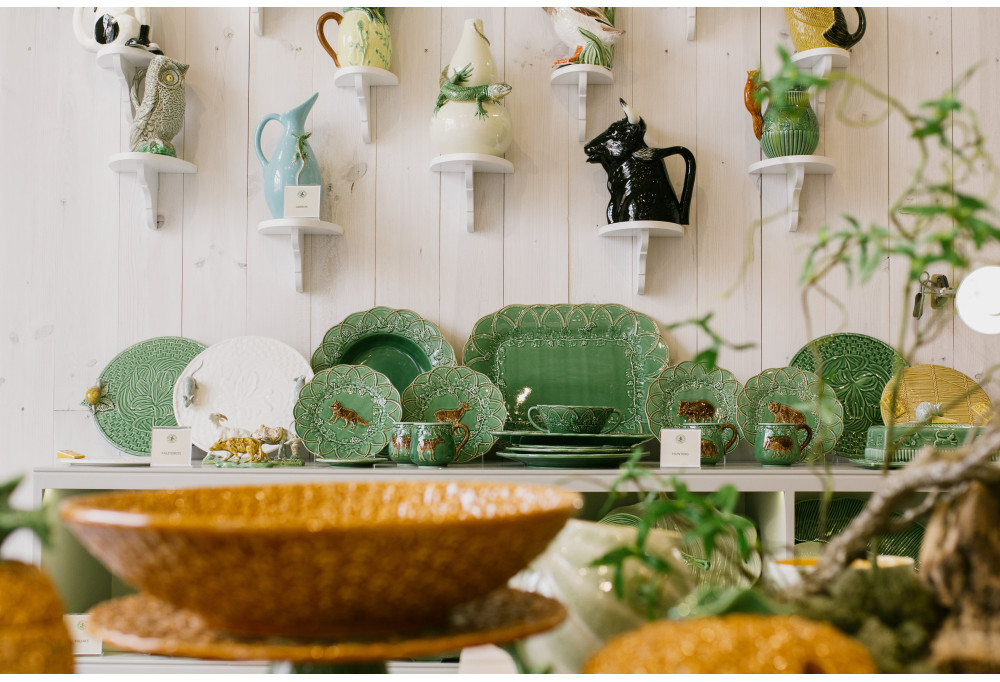
Porcelain in our interiors: a blend of refinement and durability
Porcelain, with its delicate lustre and surprising robustness, has travelled through the centuries to become an essential material in the art of interior decoration. This material, rich in an intense cultural and artistic heritage, offers a versatility and beauty that transcend the ephemeral trends of design.
After an immersion in the history and evolution of ceramics and its durable and ecological character, we will see how to incorporate porcelain to enhance contemporary interior decoration. We will show how this material can transform our interiors by adding elegance, character and refinement. You will come to appreciate porcelain not only as a material of timeless beauty, but also as a conscious choice for a durable and elegantly decorated interior.
History and Evolution of Porcelain in Decoration
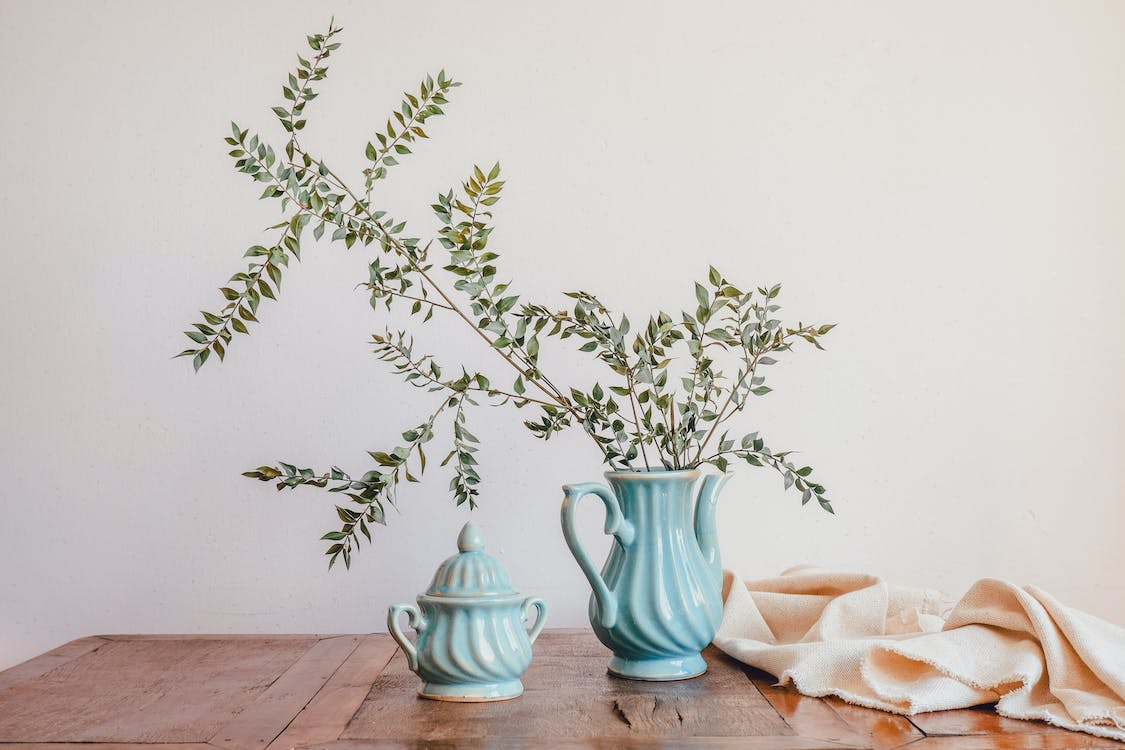
The Origin of Porcelain
Porcelain was born in China during the Tang Dynasty (618–907). This fine ceramic, made from sand, kaolin and quartz, stood out clearly from other ceramics thanks to its fineness and translucency.
Its role in interior decoration began modestly, but with a profound cultural impact. The Silk Road played a crucial role, not only in spreading porcelain throughout Asia, but also in introducing it to Europe, thus sparking a worldwide interest in this exceptional material.
The Evolution of Porcelain Through the Centuries
The history of porcelain in Europe truly begins with Marco Polo in the 13th century. This encounter between East and West sparked a European fascination with porcelain, an enthusiasm that led to the creation of the first European porcelain in Meissen, Germany, at the beginning of the 18th century. This era marks a revolution in the European decorative arts, where porcelain took a prominent place in the creation of figurines, tableware and decorative objects, enriching the art of interior decoration with new forms and styles.
Cultural Influence on Porcelain Styles
Every culture has left its mark on porcelain designs. From the delicate floral patterns of China to romantic European scenes, each style reflects a chapter of its region's history and aesthetics. This cultural richness has crossed borders, creating an artistic exchange that has enriched the diversity of porcelain designs.
Today, contemporary styles of porcelain merge tradition and modernity, reflecting the constant evolution of this art and its ability to adapt and renew itself over the centuries.
Porcelain: a Durable and Ecological Material
Porcelain, often celebrated for its aesthetics, also plays an important role in terms of sustainability and ecology in interior decoration.
The durability of porcelain goes beyond its aesthetic appeal, making it a preferred choice for environmentally conscious consumers. Unlike synthetic materials, porcelain is made from natural resources, such as kaolin, feldspar and clay. These components, which are abundant, natural and non-toxic, make porcelain not only durable but also ecological.
The Longevity of Porcelain
Porcelain is renowned for its exceptional resistance to scratches, shocks and wear, allowing it to last for decades, even centuries. Take the example of antique porcelain vases passed down from generation to generation, retaining their lustre and structure despite the passage of time. This longevity reduces the need for frequent replacement, thereby decreasing consumption and waste — a major advantage in a context of sustainability.

Eco-Responsible Production Practices
Modern porcelain manufacturing methods have evolved to adopt more environmentally friendly practices. Many ceramicists and porcelain manufacturers are now committed to ethical production processes. For example, some manufacturers use solar kilns or recover heat to reduce their energy consumption. Others reuse water from the production process, thus minimising their ecological impact.
By adopting ethical production practices, through the use of renewable energy and waste reduction, manufacturers minimise their ecological impact and contribute to a reduced carbon footprint compared to other less durable materials.
A Concrete Example: Porcelain in Ecological Installations
A concrete example of the ecological use of porcelain can be found in sustainable buildings. Porcelain tiles, used in kitchens and bathrooms, are not only aesthetically pleasing but also particularly well suited to spaces requiring water-resistant and easy-to-clean materials. Moreover, their ability to retain heat makes them ideal for underfloor heating, contributing to the energy efficiency of buildings.
Porcelain is far more than a simple aesthetic choice for interior decoration; it also represents a durable and environmentally responsible choice. Its longevity, combined with modern and eco-conscious production practices, makes porcelain an ideal material for those looking to combine beauty, functionality and commitment to the planet. Thus, by choosing porcelain, consumers contribute to a more sustainable and ecological approach to interior decoration.
Incorporating porcelain into interior decoration is not limited to its visual appeal; it also reflects a conscious choice in favour of sustainability and environmental responsibility. These ecological aspects add an additional dimension to the value of porcelain, making it not only beautiful but also beneficial to our planet.
In conclusion, porcelain has come a long way since its beginnings as a functional object in China. Its rich cultural and artistic heritage continues to influence modern interior decoration trends. This evolution illustrates not only the durability of porcelain as a material, but also its ability to remain a central and cherished element in the art of decoration across the ages.
Incorporating Porcelain into Modern Interiors
The world of contemporary interior decoration gives a place of honour to porcelain. Combining aesthetics and functionality, this eco-responsible ceramic material extends well beyond tableware, plates, baking dishes and traditional art pieces.
Today, porcelain finds its way into your décor in a multitude of forms and colours: from elegant vases adorning living room tables to artistic wall plaques that catch the eye.
From a simple functional material, porcelain has become the material of choice for interior decorators! This versatility makes porcelain a perfect material for adding a touch of elegance and refinement to our living spaces.
The Visual Impact of Porcelain
The visual impact of porcelain on an interior space is undeniable. Its brilliance and refined finish attract the eye, whether through centrepiece items or subtle touches. Let us illustrate this impact with 3 concrete examples.
Porcelain in a Minimalist Living Room

Imagine a minimalist living room dominated by neutral tones and clean lines. At the centre, a copper brass coffee table is topped with a brilliant white porcelain vase. This vase, simple yet elegant in shape, immediately draws attention. It contrasts with the surrounding restraint, bringing a touch of sophistication without visually cluttering the space. Inside, a few dried flowers in beige tones bring a burst of life, creating a dynamic focal point that animates the entire room. The presence of porcelain here plays on the contrast of textures and colours, proving that even a single porcelain piece can transform the aesthetic of a room.
Porcelain Tiles for an Elegant Bathroom

Consider a spacious bathroom where porcelain tiles play a key role. The walls and floor are clad in large, glossy porcelain tiles in a soft pearl grey tone. The light reflects off the smooth tile surfaces, giving the room an increased sense of brightness and space. Choosing porcelain for the tiles is not only practical in terms of maintenance and durability, but it also brings a luxurious feel. When natural light streams through a large window, it dances across the tiles, creating an interplay of light that adds to the relaxing and refined atmosphere of the bathroom.
Porcelain Furniture Knobs in a Contemporary Kitchen
In a modern kitchen with smooth cabinets and quartz surfaces, adding porcelain furniture knobs can make all the difference. Choose porcelain knobs in a vivid colour or with delicate patterns for white or black cabinets. These knobs become small points of interest, drawing the eye and adding a dimension of personalised design to the space. They break the monotony of flat surfaces and introduce an element of subtle texture. This touch of porcelain, though minor in size, can have a significant visual impact, enhancing the overall aesthetic of the kitchen in a way that is both functional and elegant.
Porcelain for Every Decoration Style
Porcelain is an extremely versatile material that can be integrated into various interior decoration styles. With its ability to blend into diverse decorative themes, porcelain proves to be an ideal choice for many designers and enthusiasts of varied decoration styles.
In a minimalist setting, for example, white porcelain pieces with clean lines can create an effect of calm and serenity. Conversely, in a rustic or more cluttered space, porcelain with colourful or complex patterns adds depth and texture. Porcelain knows how to be discreet or bold as required, thus proving its flexibility in the world of interior design.
Certain styles particularly highlight the aesthetic and functional qualities of this fine ceramic:
- Classic style: Porcelain has a long history in classic and traditional interiors. It is often associated with elegance and refinement, typical of classic décor. Porcelain vases, figurines and tableware with elaborate patterns or gold or silver details blend naturally into this style.
- Minimalist and Scandinavian style: Minimalism and Scandinavian design value simplicity, functionality and the beauty of natural materials. Porcelain, particularly in solid colours and clean forms, perfectly complements this style dominated by wood tones. Porcelain objects in white or pastel shades can add a discreet touch of elegance to these interiors.
- Modern and contemporary style: In modern interiors, porcelain can serve as a contrasting element. Porcelain vases or statues with geometric shapes or abstract designs will create visual focal points, in harmony with a clean modern style.
Porcelain can adapt to many interior decoration styles, its versatility allowing it to blend harmoniously into varied environments. Whether as a centrepiece in a classic décor or as a subtle note in a minimalist setting, porcelain has the unique ability to enrich the aesthetic of almost any living space.
In short, porcelain in modern interior decoration is far from being a mere relic of the past: it embodies a fusion between art and utility, offering an infinite range of possibilities to enrich and personalise your home.
How to Incorporate Porcelain into Your Interior Decoration?
Practical Tips for Choosing Porcelain Elements
Choosing the right porcelain object for your space requires particular attention. Consider the general atmosphere of your interior: are you looking for a touch of modernity, classicism, or do you wish to create an eclectic space?
For a minimalist style, opt for porcelain pieces with clean lines and neutral colours. Conversely, for a more traditional or opulent décor, porcelain with elaborate patterns and vivid colours can add unparalleled charm.
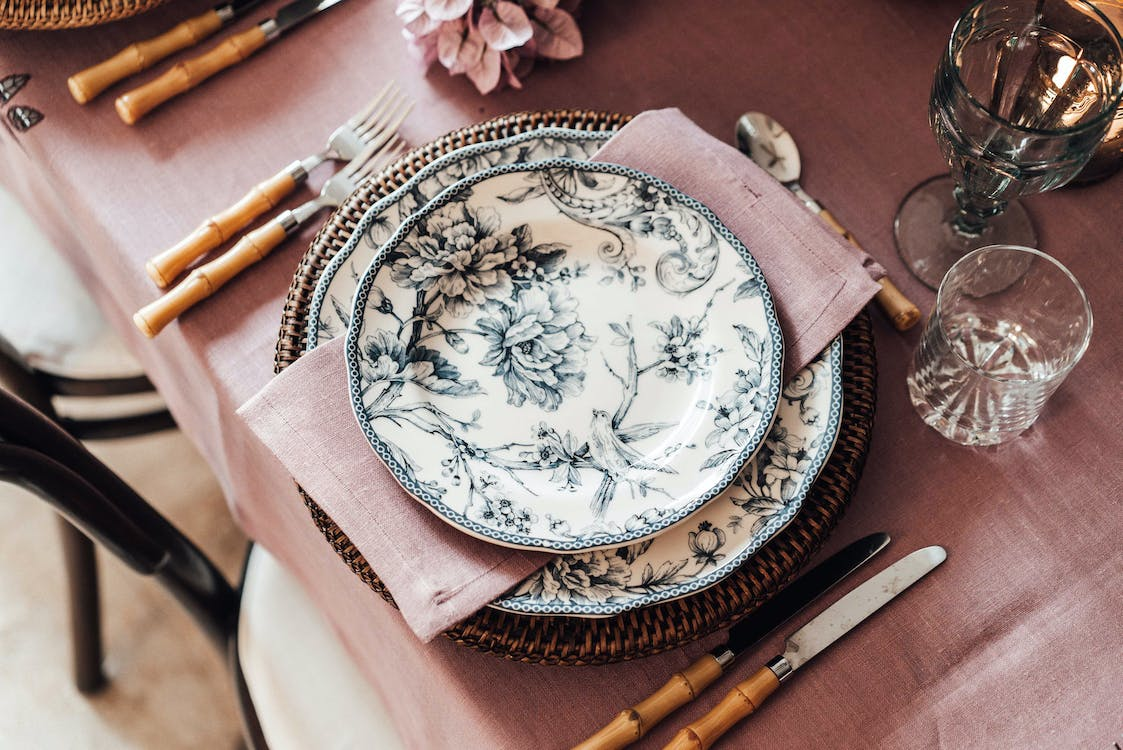
Harmonising Porcelain with Different Interior Styles
The key to incorporating porcelain into your décor is harmony. For a contemporary interior, geometrically shaped porcelain vases or sculptures can complement the modern aesthetic.
In a rustic setting, porcelain pieces with natural finishes or floral patterns can add a touch of warmth and comfort.
It is important to take into account the existing colours in your space and to choose porcelain pieces that complement or contrast with them in an attractive way.
The Art of Matching Porcelain Pieces

Do not be afraid to mix different porcelain pieces. A set of vases of varying sizes and shapes can create an interesting focal point in a room. Equally, a decorative stoneware candle holder can be placed alongside a white ceramic vase for a contrast of colours and materials.
Think of a tiled table for your living room: colourful porcelain tiling sets off the raw wooden frame — a vintage effect guaranteed!
Another tip: using porcelain furniture knobs of different designs on a chest of drawers or a sideboard can add a touch of originality and creativity. It is a subtle but effective way to introduce unique elements into your décor.
Examples and Inspiration for a Ceramic Décor!
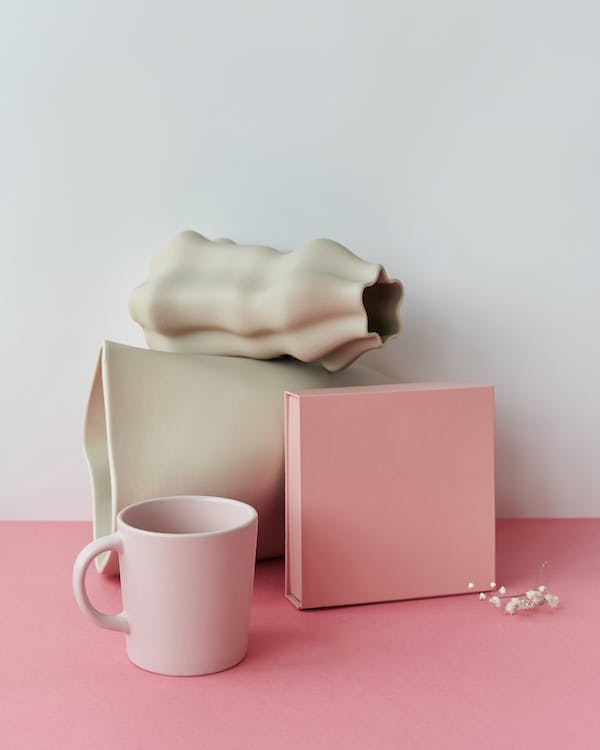
For inspiration, observe how designers and decoration magazines use porcelain. You will often discover unexpected combinations that work harmoniously. For example, a structured vase placed on a clean living room table will create a very modern look for the room. A classic porcelain lamp can be placed in an ultra-modern setting, thus becoming a striking element of contrast.
A Closer Look at Porcelain Furniture Knobs
A perfect example of small, subtle details that make all the difference in interior décor is the use of porcelain furniture knobs. These small hardware accessories can transform the appearance of an ordinary piece of furniture, lending it a touch of sophistication and elegance. Whether it is kitchen drawers, bathroom cabinet doors or bedroom dressers, these knobs are examples of how porcelain can be incorporated in a subtle yet meaningful way into interior decoration.

Milla Handles - porcelain furniture handle
You can also choose to install a porcelain door handle that echoes your furniture knobs.
Incorporating porcelain into interior decoration is an art that requires reflection and creativity, allowing you to create a space that reflects your personal style and adds a touch of elegance and sophistication. By following these tips, you will be able not only to choose porcelain objects that harmonise with your décor, but also to play with contrasts and textures for a truly unique and personalised interior.
Porcelain, a historic material, continues to play an essential role in modern interior décor. From its rich history rooted in tradition to its contemporary use, porcelain transcends eras and styles, offering beauty, functionality and durability.
Porcelain, with its ecological qualities and multiple facets — from the subtle elegance of furniture knobs to imposing works of art — offers infinite possibilities for enriching and personalising our living spaces. It is not merely a material: it is an expression of art, culture and attention to detail, capable of transforming an ordinary space into a refined and welcoming environment.
Let us pay tribute to porcelain as a durable and ethical material and appreciate the impact of small details in the vast world of interior décor. Whether through the addition of a delicate vase on a wooden table or the renovation of a kitchen with touches of porcelain, every decorative choice carries within it the promise of timeless beauty and a style that defies the years.
Comments
No comments yet!
Leave your comment