


.jpg)
.jpg)

Furniture Handles in Metal, Wood or Ceramic: Which to Choose?
Which furniture handle to choose? The guide to making the right choice!
Which furniture handle to choose? The guide to making the right choice!
Furniture handles are an essential component of hardware, fitted to drawers and cupboard doors. They are not only functional but also contribute to the aesthetics of your furniture. Whether you opt for metal, wood, ceramic or other handles, the choice of material can have a significant impact on the appearance of your furniture. In this case, which material should you choose for your handles?
Advantages and disadvantages of each material
There are many types of furniture handles, notably metal, wood, ceramic handles, etc. Each option has its own distinct set of advantages and disadvantages.
Metal:
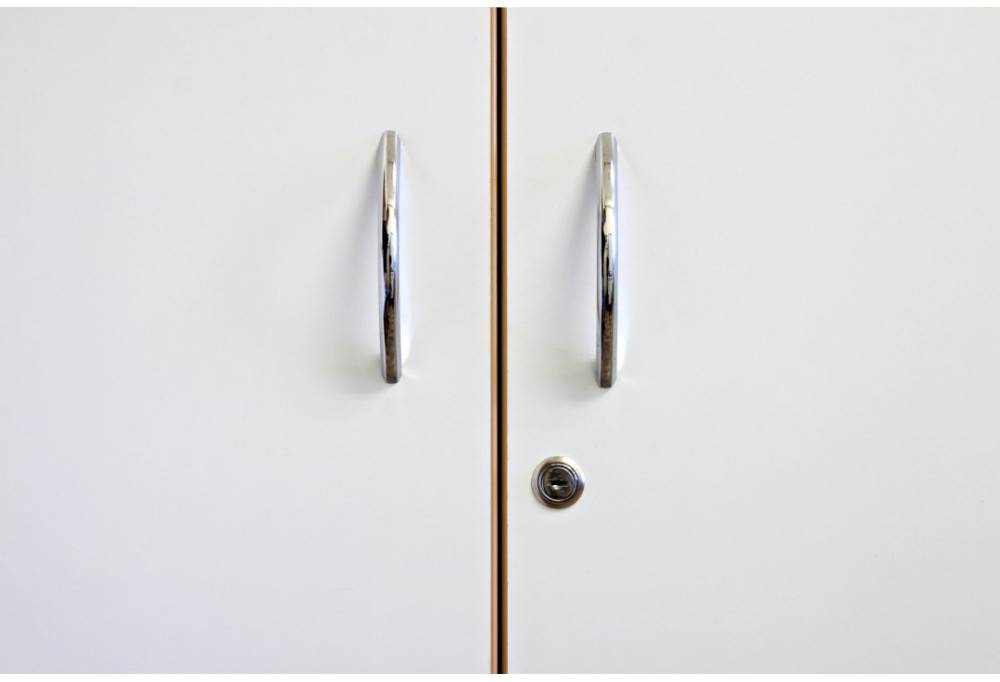
Metal furniture handles, particularly in stainless steel, appeal for their exceptional strength and unrivalled durability. Their variety of styles, from modern designs to industrial concepts, offers incomparable aesthetic flexibility. Advantages include scratch resistance and the ability to adapt to different décors. However, some nuances may appear over time, and metal can be cold to the touch.
Wood:
Wood brings a natural warmth and authenticity that transcends trends. Beyond its captivating appearance, wooden handles offer a diversity of patterns and finishes. Regular maintenance, particularly against moisture and scratches, is essential to preserve their long-term beauty. Whilst they evoke timeless charm, they can be susceptible to everyday wear and tear.

Ceramic:
Ceramic lends a unique artistic elegance, perceived as fragile. However, this perception is often misleading, as ceramic can be surprisingly resilient. It withstands moisture and temperature changes well. Ceramic furniture handles add a touch of originality with varied patterns and textures. However, they can be more expensive and may break in the event of a violent impact.
Stainless steel:
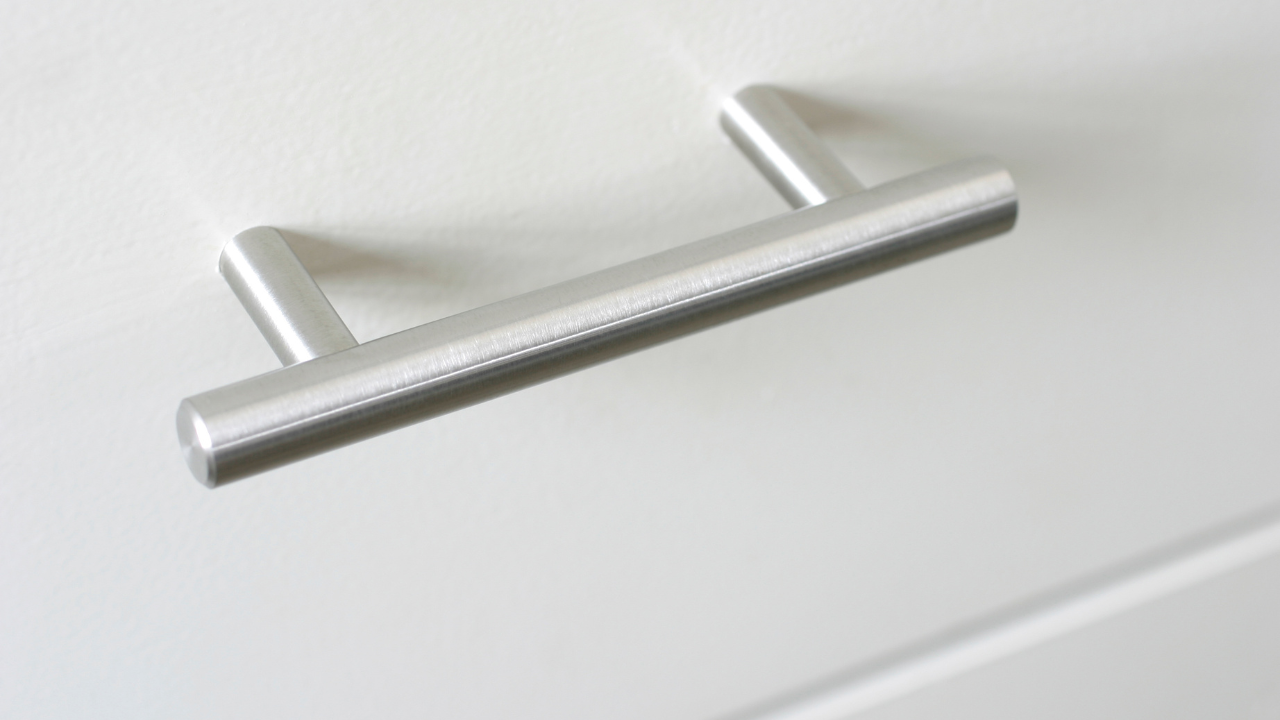
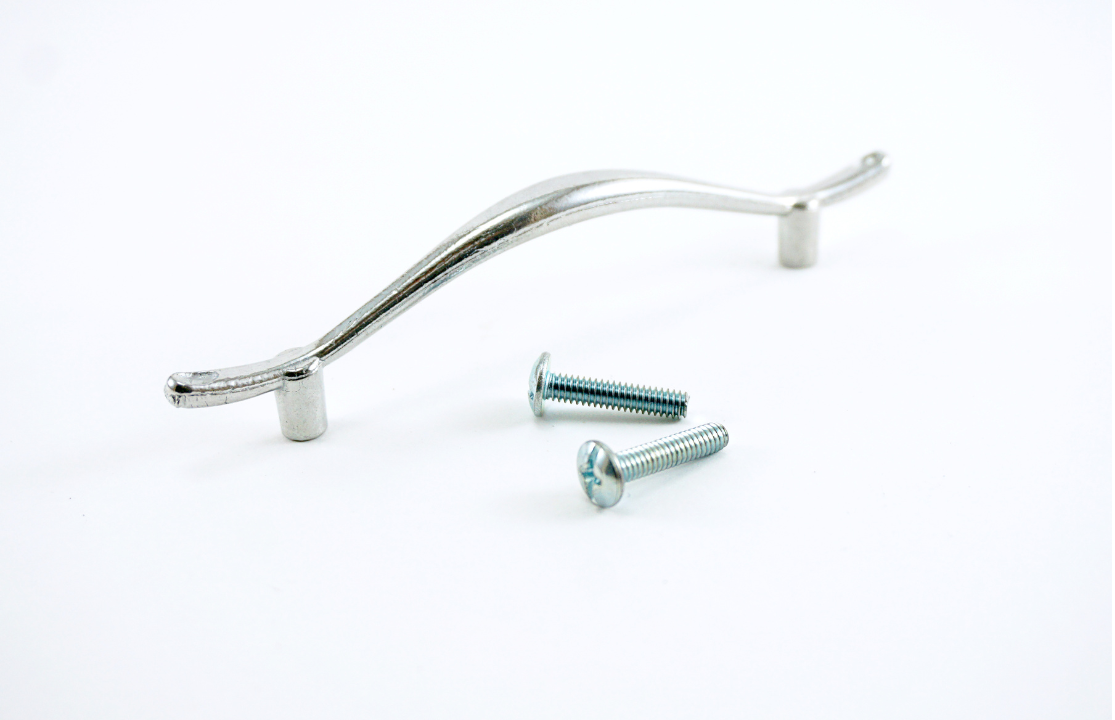
Stainless steel handles appeal with their modern, industrial look. Their corrosion resistance makes them an ideal choice for humid environments, such as kitchens and bathrooms. However, stainless steel can show fingerprints and scratches more easily than other metals.
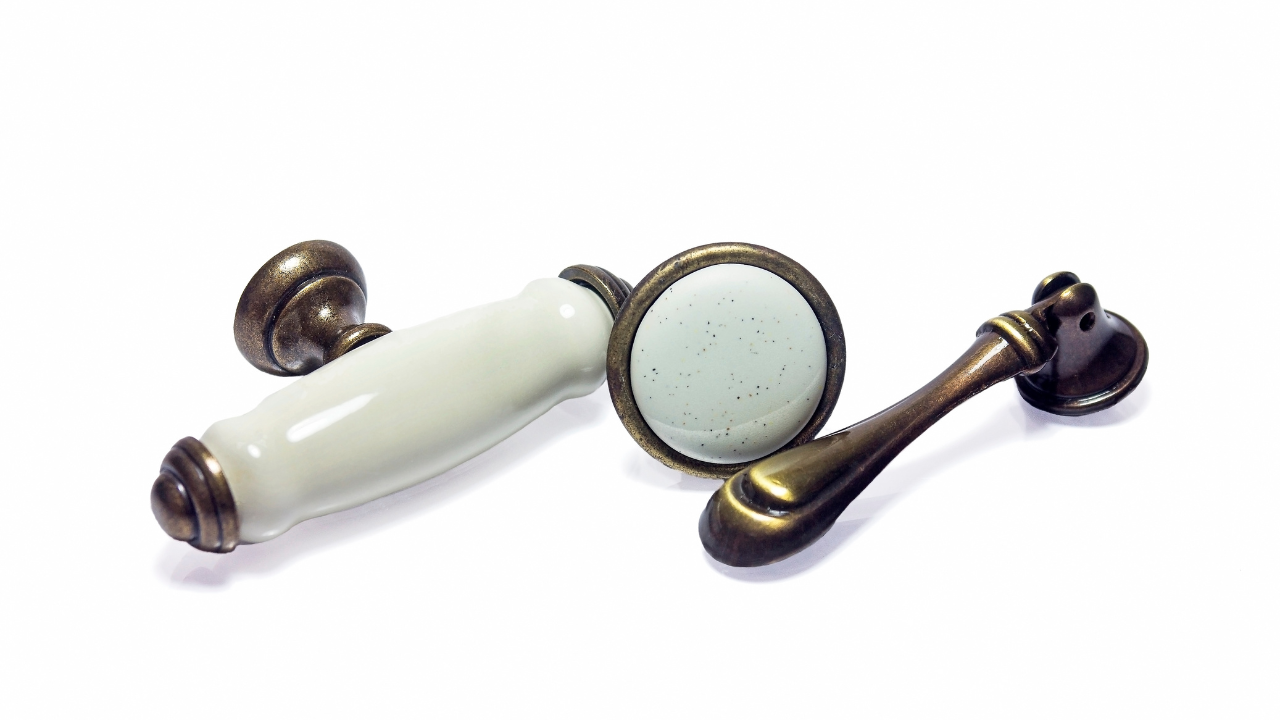
Porcelain
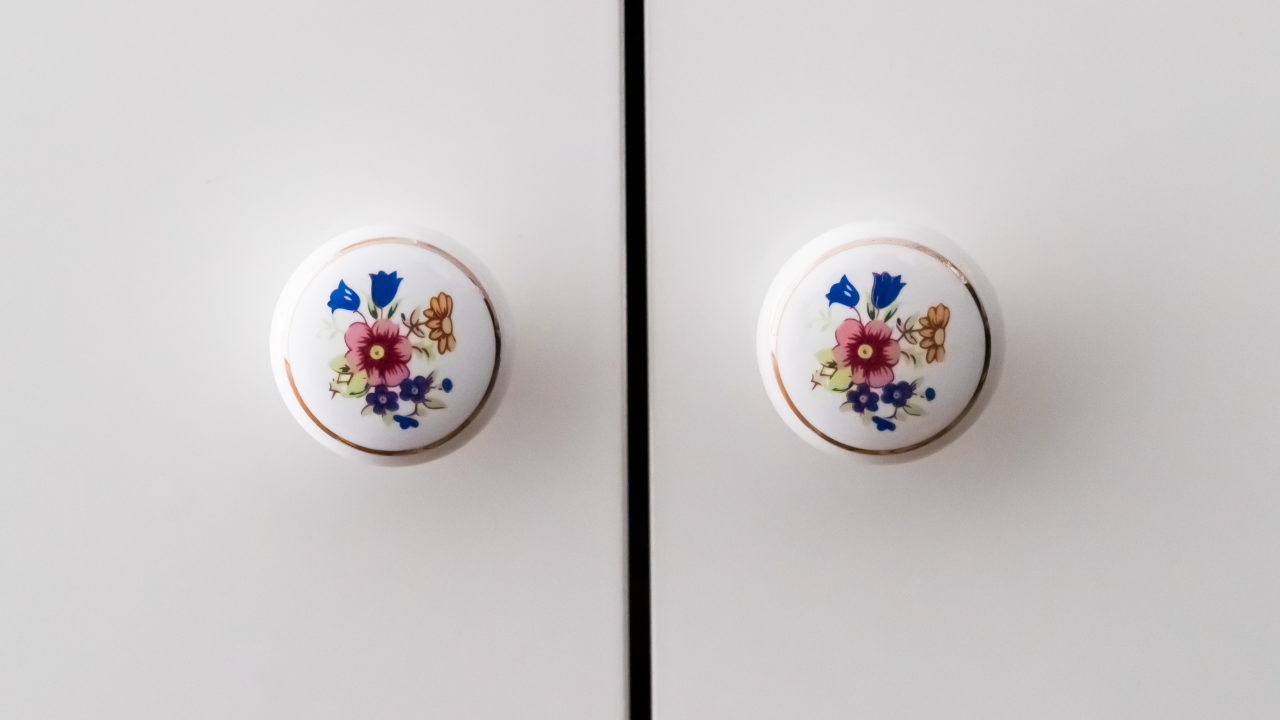
Porcelain handles are appreciated for their elegance and delicate patterns. They are moisture-resistant and easy to clean. However, they can be more fragile and require careful installation to avoid cracks. Their delicate aesthetic makes them a more suitable choice for spaces less prone to impact.
Brass:
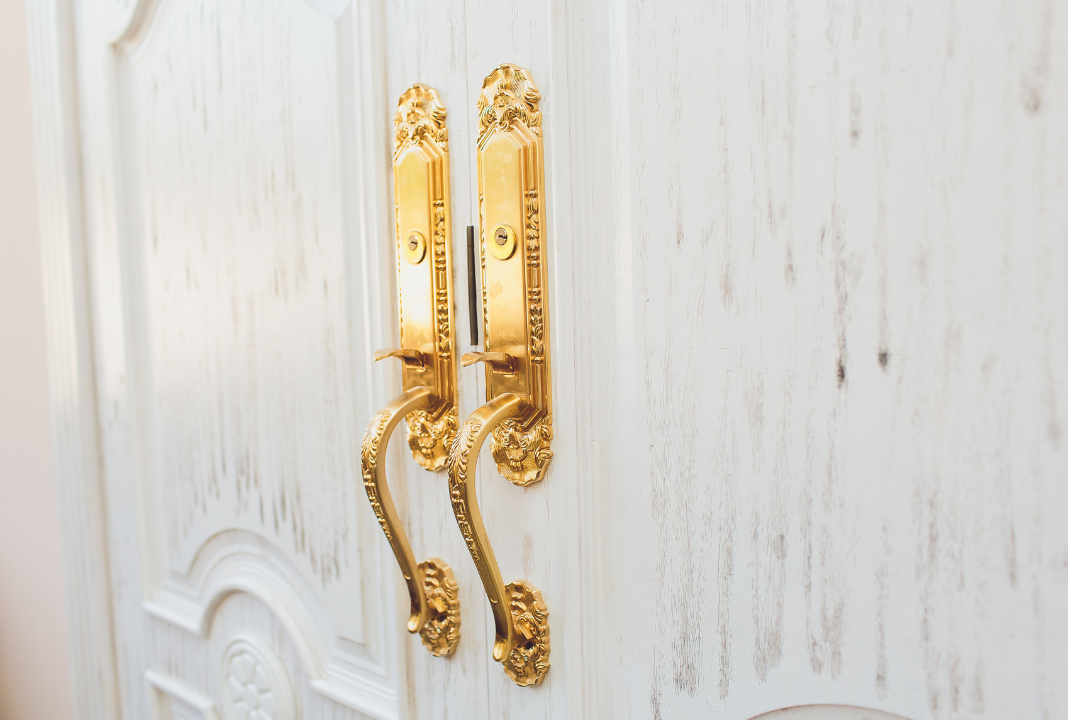
Brass handles have an elegant appearance and can develop a change over time. Brass is also antibacterial, which is a notable advantage in certain applications. However, it may require regular maintenance to prevent oxidation, and its cost may be higher.
Bronze:
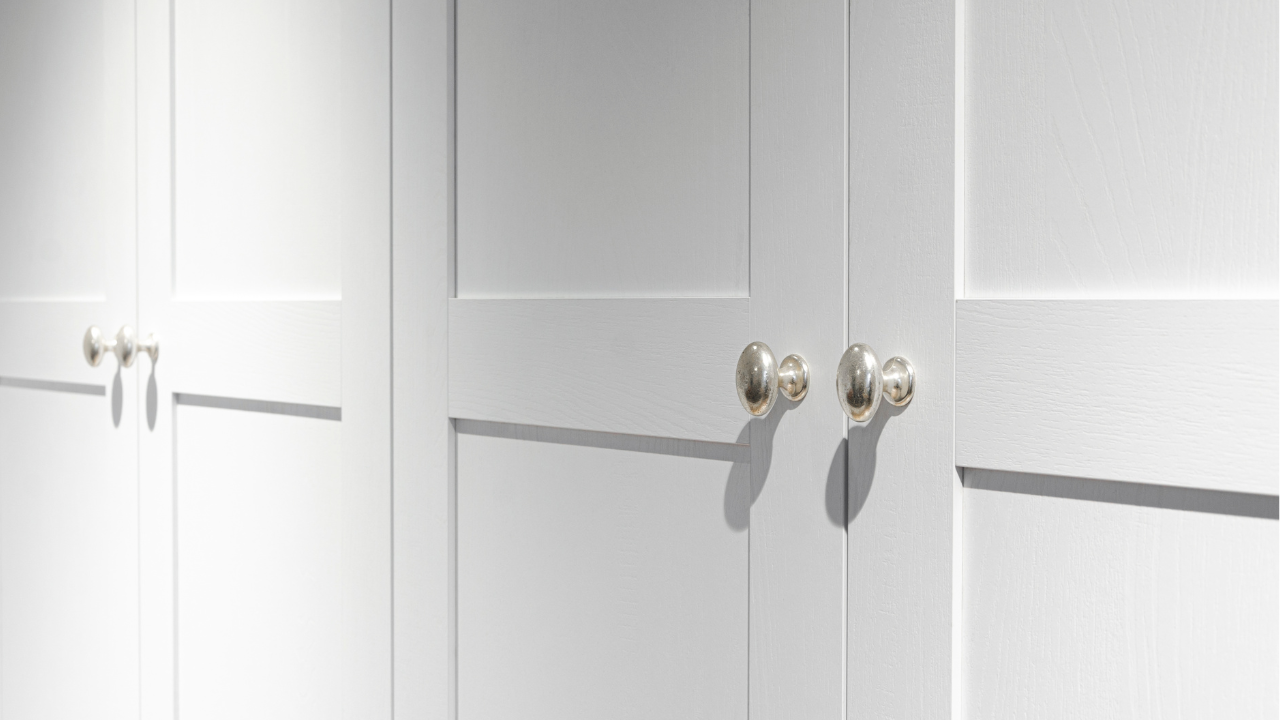
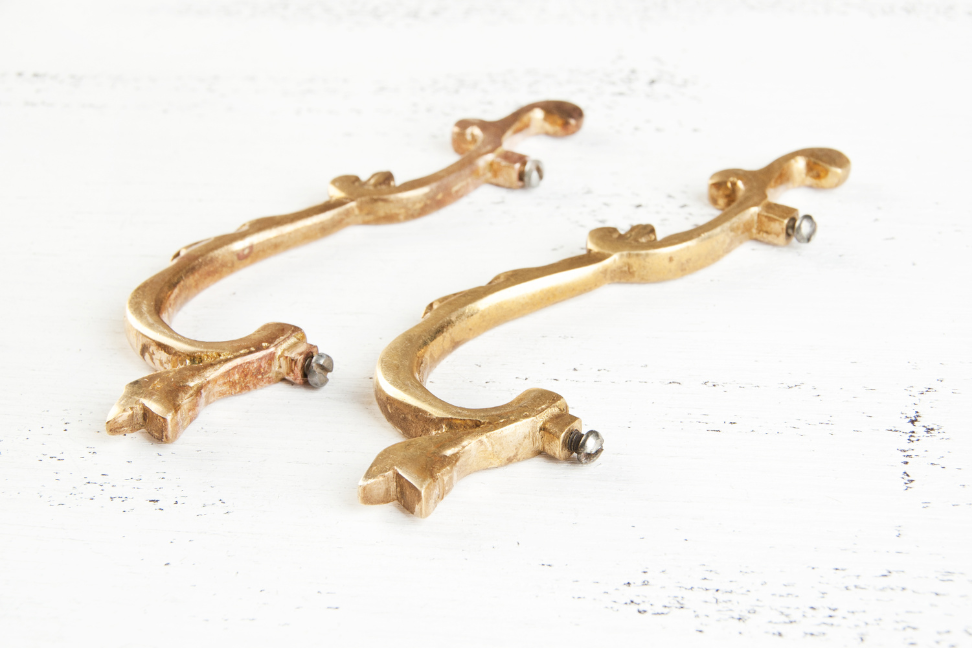
Bronze furniture handles offer a classic aesthetic and can develop a unique patina. Bronze is durable and wears well. However, its cost may be higher, and some people appreciate the patina whilst others prefer to maintain the original shine.
How to choose furniture handles according to interior style
Harmonising handles with the style of the room is an essential skill. To guide you in this approach, here are some practical tips for choosing the furniture handle that will fit perfectly into your environment.
Tips for harmonising handles with the style of the room
Harmony between furniture handles and the style of the room begins with a thorough understanding of the desired aesthetic. Consider the colour palette, pattern and overall design of your interior. Opt for handles that complement these elements rather than compete with them. For example, in an industrial-style room, metal handles may be more suitable.
Also analyse the proportions and geometry of the room. Handles with clean lines can accentuate a contemporary design, whilst more ornate models can blend harmoniously into a classic décor.
By examining current trends in interior design and furniture handle choices, you can determine which styles stand the test of time and which follow the latest trends. However, don't forget that the final choice must above all reflect your personal taste and suit your lifestyle.
Practical selection criteria
The choice of material for your furniture handles goes beyond pure aesthetics. Functionality plays an important role in the durability and practicality of everyday use. For example, in high-traffic areas, robust metal handles can offer increased resistance.
Also consider practical aspects such as maintenance. Wooden handles sometimes require a little more attention to maintain their lustre, whilst metal handles may be easier to clean.
Concrete examples of choices suited to different lifestyles illustrate this selection. For instance, in a busy household with children, impact-resistant handles that are easy to clean may be preferred. Conversely, in a context where the focus is on environmental considerations, wooden handles from sustainable sources may be the best option. This combines the pursuit of a natural style with ecological concerns.
If you prefer a contemporary and minimalist look, metal handles with clean lines can be an ideal choice. Their simplicity works well with modern, uncluttered interiors, adding a touch of sophistication without being too imposing.
By following this advice and carefully analysing your specific needs, you will be able to choose furniture handles that match your lifestyle and preferences.
Comments
No comments yet!
Leave your comment