


.jpg)
.jpg)
Green Interior Design: Upcycling and Recycled Materials
On the way to an eco-friendly interior! Transform your interior with elegance and ethics!
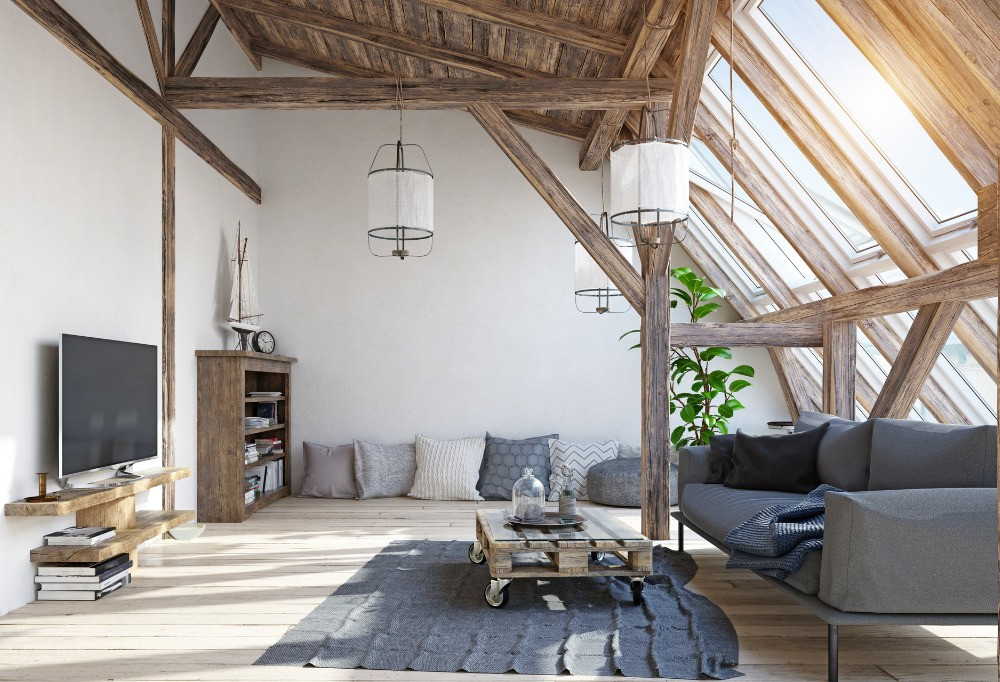
On the way to an eco-friendly interior! Transform your interior with elegance and ethics!
At a time when respect for the environment and concern for sustainability are becoming increasingly important, upcycling and the use of recycled materials are beginning to gain ground amongst designers. Two questions then arise: what are these new practices? What are the current trends and tips for creating an interior that is both chic and eco-responsible?
Recycling vs refurbishment
The circular economy system is rapidly gaining popularity in our quest for a greener interior. We discover two essential concepts: upcycling and refurbishment, related but slightly different practices. Upcycling embodies the magic of transforming old treasures into new precious pieces, whilst refurbishment offers a second chance to your favourite items. You just have to let yourself be inspired!
Eco-responsible creativity
The fascinating world of upcycling is often found through a range of accessories made from recycled plastics, such as medicine cabinets, soap dispensers or pillowcases. So, imagine old drawers recovered and transformed into original shelves thanks to handles from Millapoignées, a real touch of unique design to your space.
The art of reclamation
If you are not used to buying recycled products, reclamation is an easy and creative way to undertake DIY projects to renovate your interior without changing everything. Transform sauce jars into flower vases, tin cans into pen holders, or create wind chimes with old cutlery. Imagination is your only limit! Be creative by using pin rolls in wood plank cut-outs to design coat hooks in a rustic farmhouse style.

Current trends for a chic and eco-responsible interior
In our quest for trends and tips for a chic and eco-responsible interior, we discover that the fusion of aesthetics and sustainability is at the heart of contemporary interior design. Recycled materials are increasingly sought after, whether furniture, decorative objects or even architectural elements.
Ecological minimalism
Less is more. Minimalism is at the peak of its popularity, and it pairs perfectly with eco-responsibility. Opt for streamlined spaces, multifunctional furniture and sustainable materials for an interior that is both simple and sophisticated.

The magic of bamboo
Bamboo, with its renewable properties and exceptional strength, remains an essential choice for interior decoration that is both environmentally friendly and elegant. Whether creating aesthetic window screens or designing kitchen worktops that are both functional and ecological, bamboo blends harmoniously into any trendy interior conscious of the planet.

Local craftsmanship
Investing in local craftsmanship is a wise choice, both supportive and environmentally friendly. By opting for unique pieces made from reclaimed materials or local materials, you help support local communities whilst reducing your carbon footprint. These authentic objects bring a touch of character and originality to your space, creating a warm and personal atmosphere that is unlike any other.
Recycled materials used in design decoration
Besides bamboo and reclaimed wood, other recycled materials are gaining popularity in the world of design decoration.
Glass:
Statistics show that up to 45% of interior designers incorporate recycled materials such as recycled glass into their projects. Recycled glass, transformed into beautiful lighting fixtures, floor tiles and accessories, brings a touch of elegance whilst contributing to waste reduction.
Recycled textiles:
Recycled textiles are also experiencing a surge in popularity, with approximately 30% of designers incorporating them into their creations. These textiles, made from recycled fibres, are used to make curtains, cushions, and even rugs, adding a dimension of sustainability to interior aesthetics with a vintage note.
Metal:
Furniture made from recycled metal is increasingly appreciated, representing up to 25% of designers' choices. These reclaimed metal pieces are often used to create modern and robust industrial furniture, bringing a touch of authenticity to the interior.

Conclusion
Together, we have explored how upcycling, recycled materials and other creative practices can transform our interiors into elegant and environmentally friendly havens. Whether for furniture, accessories, creating an indoor garden or the architecture of a space, it is an interesting practice. Only one question remains: are you ready to embrace green interior design? Join us in this exciting endeavour for a future where beauty and sustainability go hand in hand.
Comments
No comments yet!
Leave your comment