


.jpg)
.jpg)

How to recognise brass: Complete guide to identifying this noble material
Complete guide to identifying brass
Complete guide to identifying brass
Brass is a prized alloy in decoration and for ironmongery accessories thanks to its golden yellow colour and great malleability. But how do you know if you are dealing with this noble material? In this article, we reveal the secrets to recognising genuine brass, its different finishes and technical specifications.
The composition of brass
Brass is an alloy composed mainly of copper and zinc, with a zinc proportion varying from 5 to 45%. This combination gives it its characteristic colour, ranging from yellow to golden tones, depending on the copper content and the polishing applied.

| Component | Proportion | Features |
|---|---|---|
| Copper | 55-95% | Provides the golden yellow colour and malleability |
| Zinc | 5-45% | Adds strength and influences colour |
The different finishes of brass
Brass can come in several finishes, each with its own aesthetic and practical characteristics. Here are the main ones:
Natural brass (sometimes called "Gold")
Natural brass is not subjected to any particular surface treatment. It is slightly softened, allowing it to develop patina over time and acquire a unique appearance. When new, it has a beautiful shine that evolves with use and oxidation.
Polished brass (sometimes called "Polished gold")
Resulting from meticulous polishing, polished brass offers a mirror effect and great brilliance from its manufacture. Although it has the same patina characteristics as natural brass, it stands out for its immediately radiant appearance.
See our golden brass door handles
Varnished polished brass (sometimes called "Bright gold")
To preserve its brilliance, varnished polished brass is covered with a protective varnish layer. This treatment prevents the metal from oxidising and developing patina, thus maintaining its shiny appearance over the long term.
Brushed brass (sometimes called "Brushed gold")
Brushed brass offers a matt and elegant finish. This technique produces a uniform texture and a discreet yellow|gold tone, highly sought after for a contemporary and subtle rendering.
Clues to recognise brass
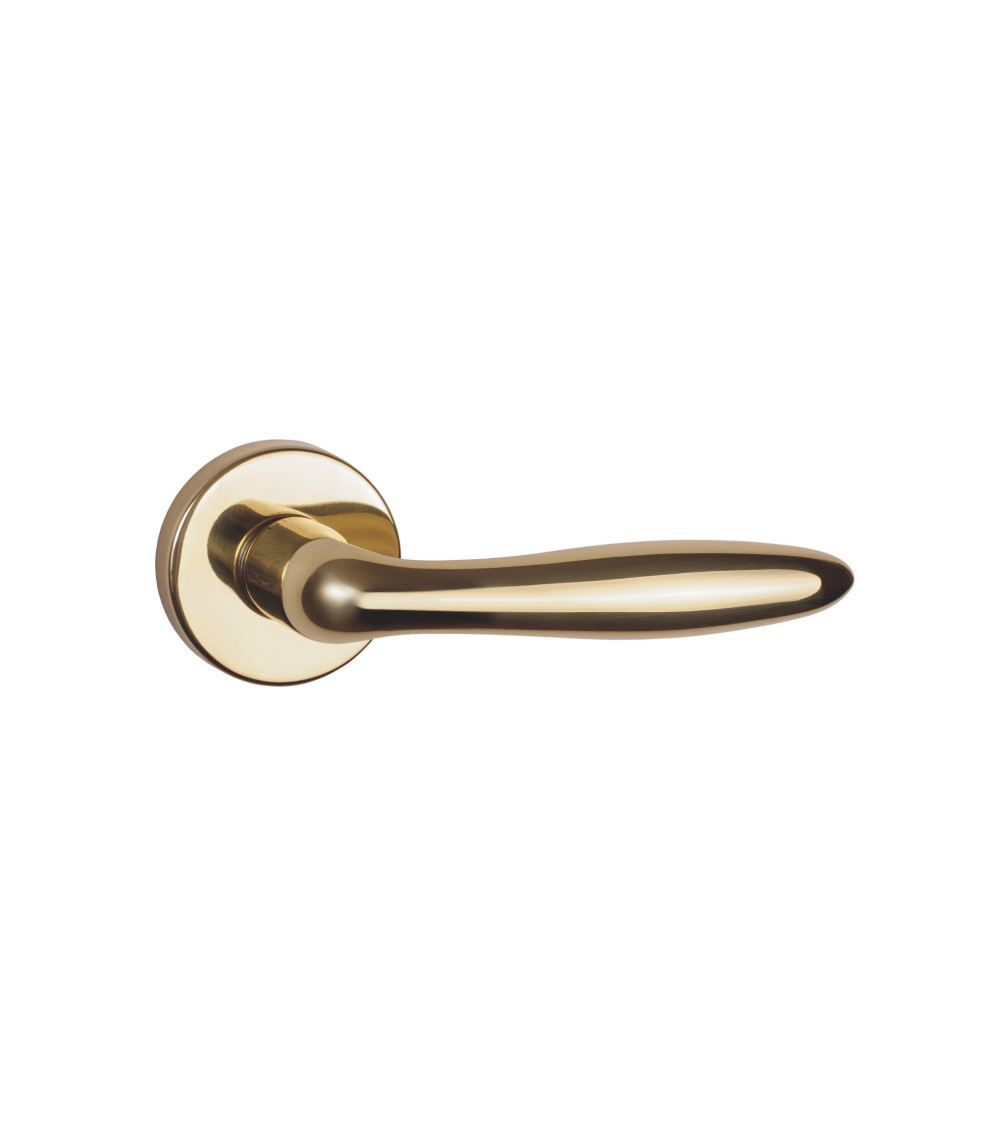
To identify brass, several criteria can be observed:
- Colour: Brass is distinguished by its yellow or golden hue, which can vary depending on the proportion of copper and zinc.
- Patina: Over time, unvarnished brass develops a natural patina, ranging from golden brown to green (verdigris) in case of oxidation.
- Finish: The presence of varnish, polishing or brushing is also an indicator of the type of brass used.
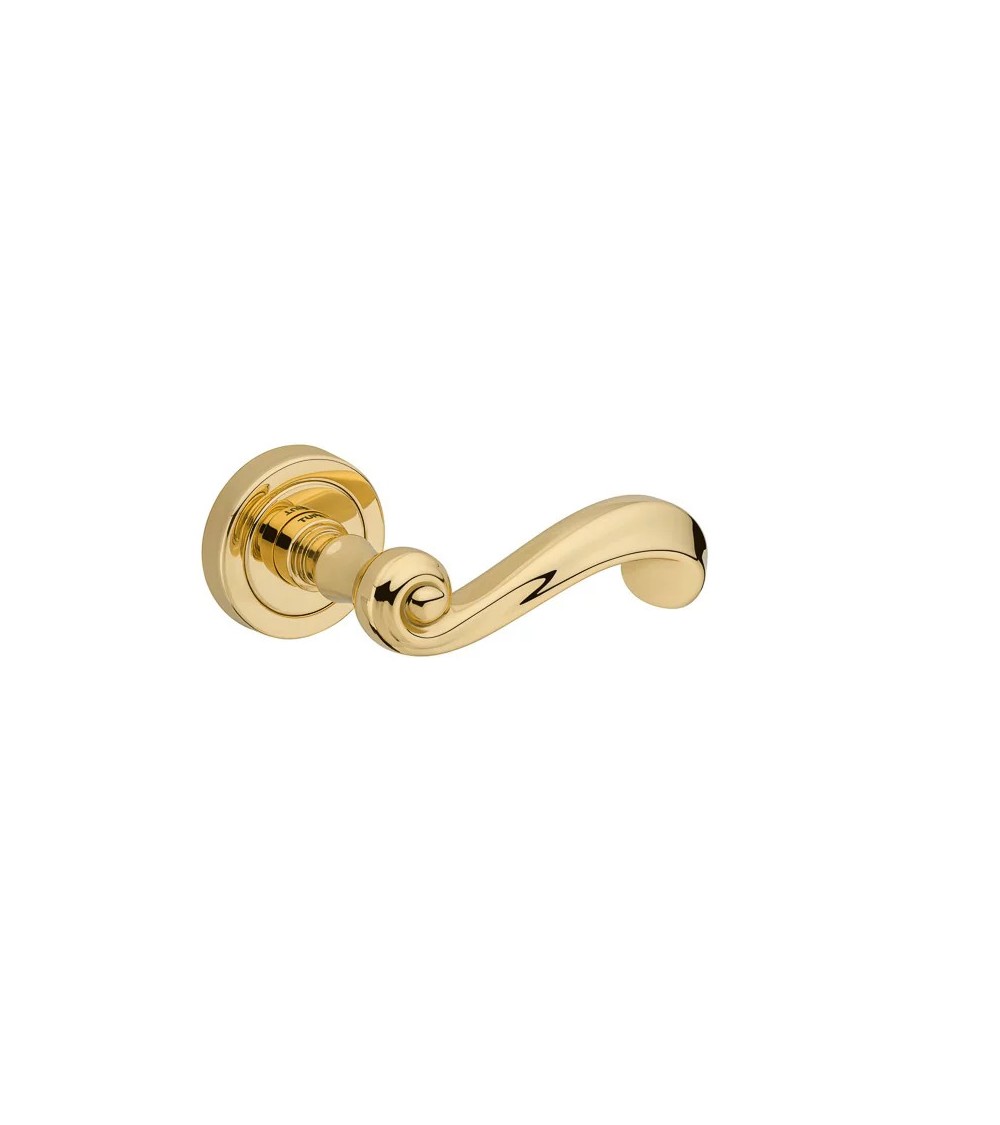
- General appearance: The quality of machining and the texture of the metal (smooth, matt or shiny) help determine whether it is quality brass intended for ironmongery accessories.
Maintenance tips for brass
In conclusion, it is also important to remember that regular maintenance is necessary to maintain the brilliance of brass. To discover our practical advice on this subject, consult our dedicated article on cleaning brass.
Comments
No comments yet!
Leave your comment