


.jpg)
.jpg)

Which materials should you prioritise to limit the spread of germs on door handles?
More hygienic door handles thanks to the right materials!
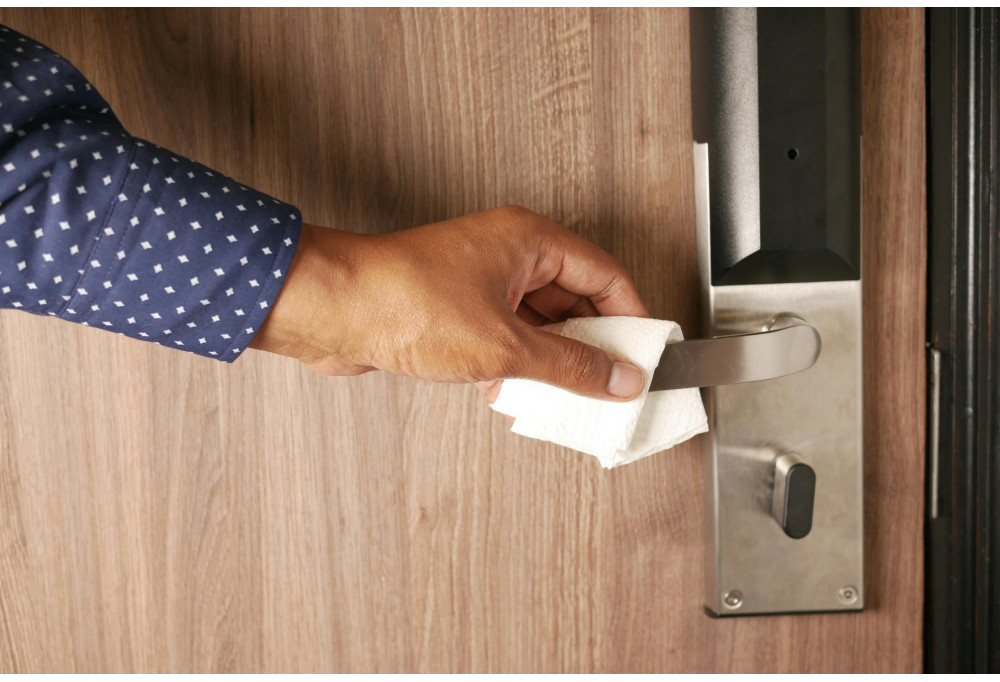
More hygienic door handles thanks to the right materials!
As winter approaches, it is worth asking this question! Door handles are touched dozens of times a day and quickly become surfaces contaminated with microbes, micro-organisms and various pathogens. During periods of flu, gastroenteritis or any other infectious disease, door handles represent a real risk of contamination.
While regular handwashing with liquid soap, an alcohol-based hand gel or a disinfectant solution remains the best protection, choosing the right material for your handles can limit the proliferation of micro-organisms and make cleaning and disinfection easier. Let's review the materials to prioritise!
Brass: a naturally antimicrobial material

Brass, an alloy of copper and zinc, has recognised antimicrobial and bactericidal properties. Indeed, copper is recognised as an antimicrobial material, capable of destroying a wide variety of pathogenic micro-organisms (bacteria, viruses, fungi).
Pathogens and microbes survive on it far less long than on other inert surfaces (such as glass or plastic).
Brass acts as a natural biocide, reducing the risk of nosocomial infections or the transmission of infectious diseases.
A simple wipe with a soft cloth, without harsh products such as bleach, is sufficient to maintain its effectiveness.
A polished or brushed brass handle helps limit the spread of germs while offering an elegant finish.
Stainless steel: enhanced hygiene and easy maintenance

Stainless steel is widely used in environments subject to high hygiene standards (hospitals, kitchens or public establishments).
Its smooth, non-porous surface prevents dirt, soiling and micro-organisms from adhering.
Stainless steel is compatible with most disinfectants: spray, disinfectant wipes, disinfectant detergent, alcohol-based solution or antiseptic product.
Stainless steel withstands surface disinfection processes well: friction, spraying, rinsing or wiping with a disposable paper towel.
A stainless steel handle, brushed or polished, is ideal for maintaining cleanliness and reducing the risk of infection.
Bronze: an alloy with antimicrobial properties

Bronze is an alloy mainly composed of copper and tin. Like brass (copper + zinc), it benefits from the natural properties of copper, recognised as a natural biocide: it exerts an antimicrobial, bactericidal and sometimes virucidal action.
Pathogenic micro-organisms (responsible for flu, gastroenteritis or other infectious diseases) survive on it far less long than on materials such as plastic or glass.
Bronze is therefore an excellent material for limiting the spread of germs, while giving bronze handles a classic and elegant aesthetic appearance.
Zamak: a good compromise

Zamak, an alloy of zinc, aluminium, magnesium and copper, is widely used in the manufacture of designer handles.
This alloy offers excellent resistance to detergents and hand or surface disinfection products.
Zamak is compatible with regular cleaning using alcohol-based hand gel, disinfectant spray or an alcohol-based solution.
Zamak handles are available in many finishes such as chrome, matt black, gold or brushed nickel...).
Materials less well suited against viruses
* Glass: a smooth surface but fragile against germs
Glass is non-porous, which prevents microbes and dirt from penetrating the material. It can therefore be cleaned easily with a disinfectant product (spray, alcohol-based solution, disinfectant wipe).
But unlike brass or antibacterially treated surfaces, glass has no natural bactericidal or antimicrobial effect. Pathogens (flu viruses, gastrointestinal bacteria, etc.) can therefore survive longer if the handle is not cleaned.
* Ceramic: adequate hygiene but requiring maintenance
Like glass, ceramic is an inert, smooth and washable surface. It withstands cleaning and disinfection products well (soap, wipes, alcohol-based solution, standard disinfectant products).
However, glass does not have any intrinsic antiseptic or antimicrobial properties. Pathogens (viruses, bacteria, mould) can persist if the handle is not disinfected regularly.
* Iron: robust but susceptible to contamination
Iron is solid, durable and easy to work with, making it a frequent choice for handles in an older style. However, it is a porous material and prone to corrosion, especially when in frequent contact with moisture.
Microbes, bacteria and pathogens can lodge in surface imperfections or rust.
It does not have any natural antibacterial properties.
* Wood: warm but not very hygienic
Wood is valued for its warm and natural appearance, but it is not the most suitable material if you want to limit the spread of micro-organisms. Its porous surface easily absorbs moisture, dirt and even microbes. This makes cleaning and disinfection more difficult than with materials such as stainless steel or brass.
Even with washing using liquid soap or applying a disinfectant spray, some areas may remain contaminated. For better hygiene, varnished or treated wood is preferable, as it is smoother and easier to disinfect with an alcohol-based solution or disinfectant wipes.
Complementary best practices
Even with handles made from antibacterial materials, good hand hygiene remains essential:
* Wash hands frequently with water and soap for at least 30 seconds.
* Use an alcohol-based hand gel or alcohol-based solution in a bottle when out and about (public transport, after touching contaminated surfaces).
* Rub hands until completely dry for effective disinfection.
* Use disinfectant wipes or a multi-purpose disinfectant spray to quickly clean handles during a viral outbreak.
Of course, by regularly cleaning your door handles, you will limit the spread of viruses!
By choosing the right material for your door handles and combining this with good hand hygiene (soap, alcohol-based gel, hand sanitiser, disinfectant wipes), you considerably reduce the risk of contamination and contribute to a healthier environment.
At Milla Handles, we offer a wide selection of designer handles with durable finishes, perfect for combining design and hygiene.
Comments
No comments yet!
Leave your comment