


.jpg)
.jpg)
Piñatex, the plant-based leather revolutionising interior decoration
Pineapple leather for a greener decor!
Pineapple leather for a greener decor!
Plant-based leather: a sustainable and elegant alternative for interior design
The world of interior design is evolving towards more sustainable and ethical choices, and plant-based leather is emerging as an ecological and elegant alternative to traditional animal leather.
Let's discover together what plant-based leather is, particularly Piñatex, its advantages in interior decoration as well as tips and ideas for integrating it harmoniously into your living space.
What is plant-based leather?
Vegan leather or ecological leather, is a material made from plant fibres such as cork, natural latex or plant-based polymers like polyurethane. Unlike animal leather, which requires the slaughter of animals and can be associated with unsustainable practices, plant-based leather is produced in an environmentally and animal-friendly way.
The main plant-based leathers
Here are some examples of plant-based leather and the plants from which they are made:
Cork leather: Made from the bark of the cork oak, cork leather is a lightweight, flexible and waterproof material. It is often used for making handbags, shoes and decorative accessories.
Banana leaf leather: Made from banana leaf fibre, this vegan leather is an eco-friendly and robust product. It is used in leather goods (bags, shoes, etc.) and serves as fabric for hats and furniture coverings.
Apple leather: Produced from apple waste, this vegan leather, soft to the touch, offers a texture very similar to animal leather. It is used in the manufacture of clothing and fashion accessories.
Mushroom leather (mycelium): Produced from mycelium, the roots of mushrooms, this plant-based leather is biodegradable and can be grown in various shapes. It is used to make clothing, shoes and eco-friendly packaging.
Seaweed leather: Designed from seaweed, this plant-based leather is biodegradable and environmentally friendly. It is used for numerous leather goods products.
Pineapple leather (Piñatex): Made from pineapple leaf fibres, this plant-based leather is resistant and eco-responsible. A recent alternative to synthetic materials, this vegan leather is enjoying great success in many industries (furniture, leather goods, decorative or ironmongery items).
What is Piñatex?
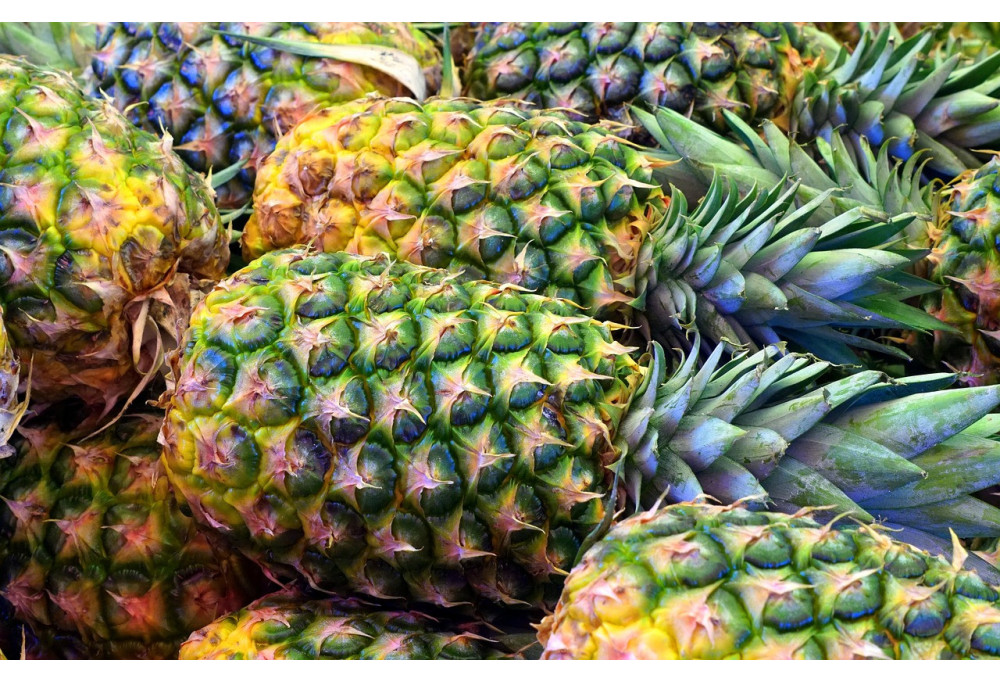
Piñatex, produced from pineapple leaves, is one of the most innovative and widely used plant-based leathers in the fashion and interior decoration industry.
A recent innovative leather
Piñatex is an innovation that came to life thanks to the vision of Spanish designer Carmen Hijosa. The idea of developing a sustainable and ecological material using pineapple leaf fibres was born whilst she was working as a consultant in the leather industry in the Philippines in the 1990s. She was inspired by traditional pineapple leaf weaving techniques and began exploring the possibility of transforming them into a leather-like material.
After years of research and development, Piñatex leather was officially launched in 2013 as a sustainable alternative to animal leather, offering designers and consumers an ecological and ethical option for fashion and interior decoration.
Originating from the Philippines, where pineapple leaves are abundant due to the country's high pineapple production, Piñatex is now produced in several other countries, notably in Spain and England.
Piñatex Manufacturing Process
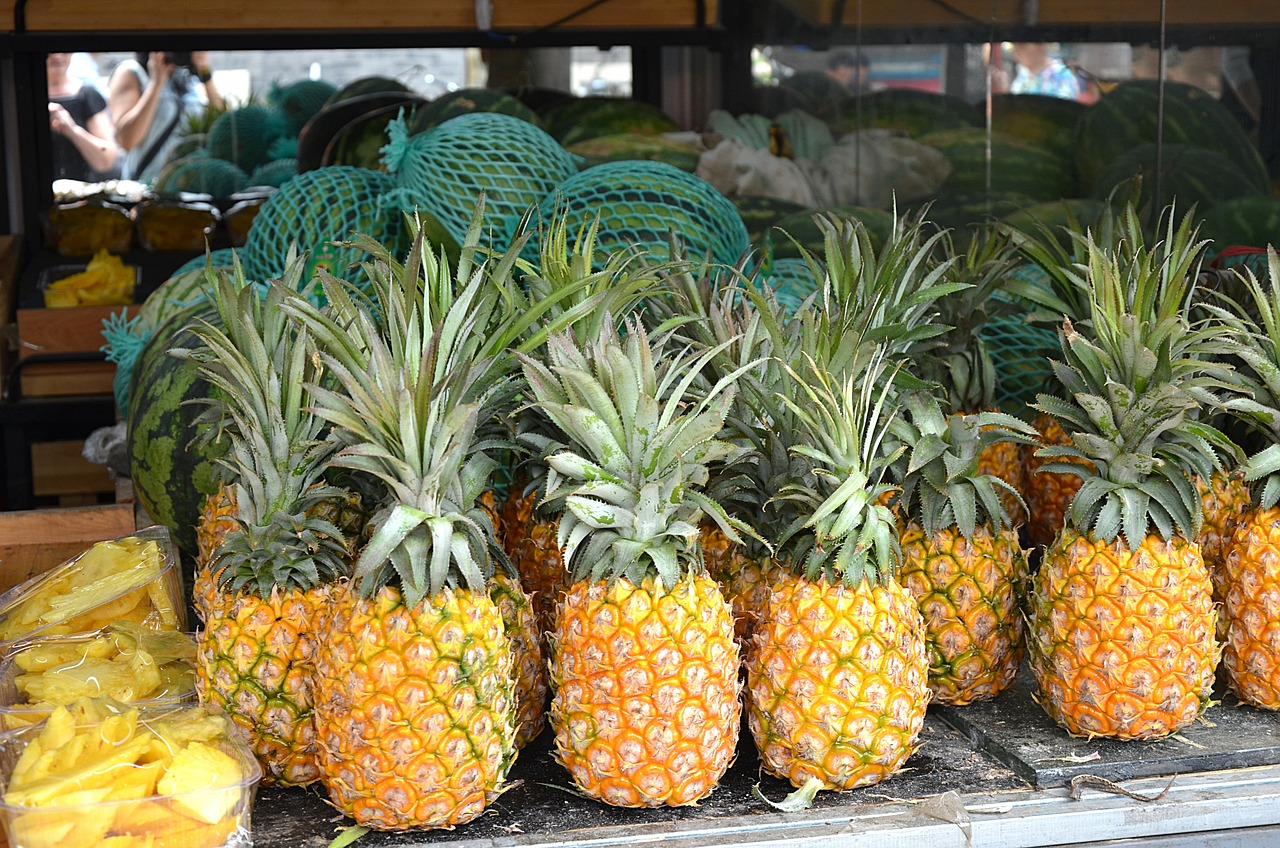
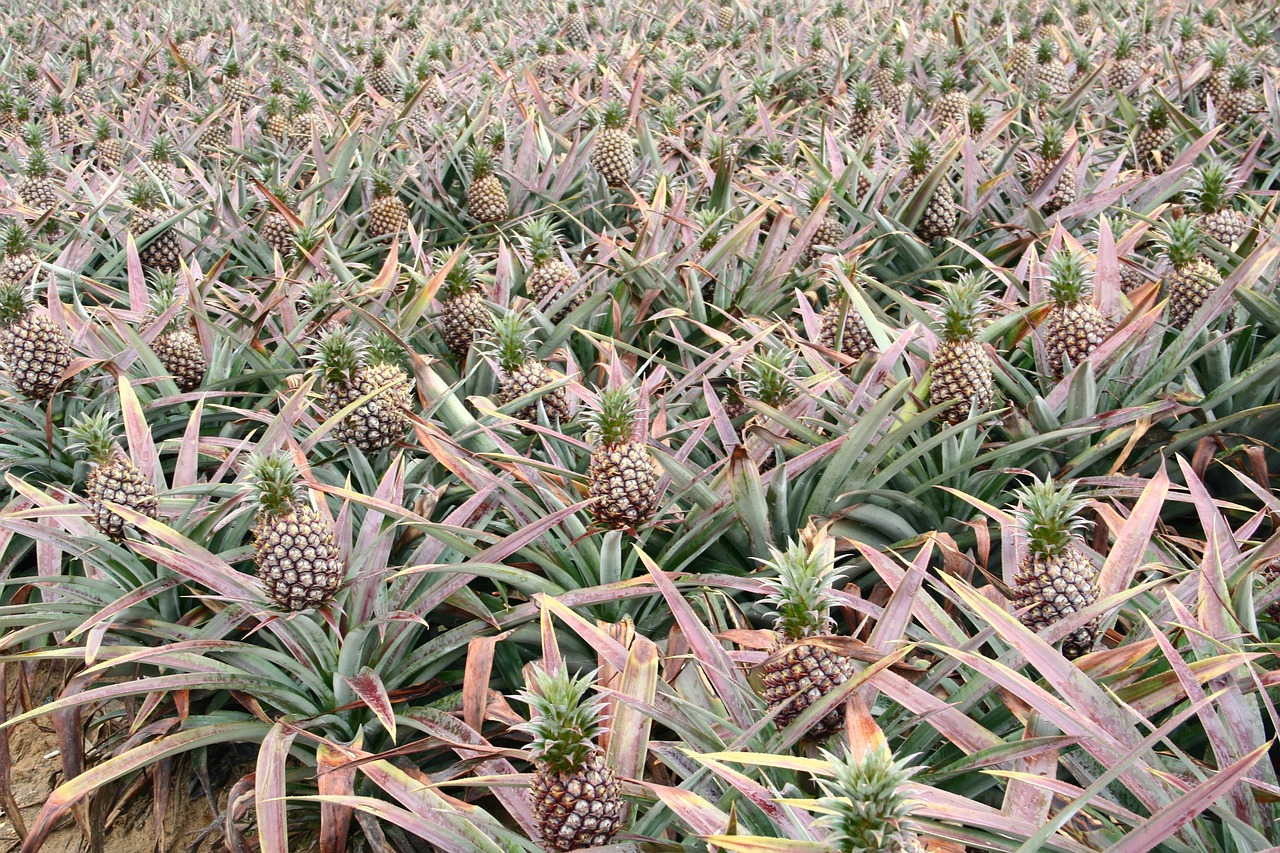
The manufacturing process of Piñatex begins with the harvesting of pineapple leaves, which are now recycled instead of being destroyed. It is a renewable resource from pineapple production.
Once the leaves are harvested, the fibres are extracted through a mechanical process and then undergo treatment to make them soft and flexible.
The fibres are then mixed with a natural starch-based binder to form a non-woven fabric, which is then pressed and laminated to create a soft texture similar to genuine leather.
Other plant-based leather alternatives have also been developed over the years, each with its own unique characteristics and applications. Among the most recent vegan leather alternatives are the very promising mushroom leather (mycelium) and seaweed leather.
Piñatex is one of the market leaders due to its versatility, durability and large-scale availability.
Why choose Piñatex over animal-derived leather?
Choosing Piñatex rather than animal leather is justified by several aspects, particularly from an ethical, sustainability, environmental and fashion perspective. Here are four reasons to prefer Piñatex:
Animal ethics: The primary criterion is respect for animal welfare: Piñatex offers a cruelty-free option. By avoiding the use of animal leather, consumers can help reduce demand for products derived from animal exploitation and promote more ethical practices in the fashion and interior design industries.
Sustainability and ecology: Piñatex is made from pineapple fibres, a by-product of the pineapple industry, making it a renewable resource. Unlike animal leather, whose production requires the slaughter of animals, Piñatex offers a more sustainable and environmentally-friendly alternative.
A 100% plant-based material, pineapple leather reuses existing plant waste, which does not result in any intensive production. Moreover, recycling the leaves avoids disposing of them by burning, which reduces CO2 emissions.
Let us remember that animal leather is renowned for its negative environmental impact: the treatment of animal hides requires a lot of water as well as chemicals to make the skin rot-proof (a process with toxic discharges for the environment).
Versatility and aesthetics: Piñatex is available in a variety of colours, textures and patterns, offering designers and consumers a wide range of aesthetic options. Its unique texture and versatility make it an attractive material for a variety of products ranging from clothing and fashion accessories to interior design items.
Innovation and trends: Piñatex is a relatively recent innovation in the fashion and interior design industry, making it a trendy and forward-thinking choice for those seeking alternatives to animal leather. By opting for Piñatex, consumers can support innovation and encourage the development of sustainable and ecological materials in the industry.
What is the price of Piñatex leather?
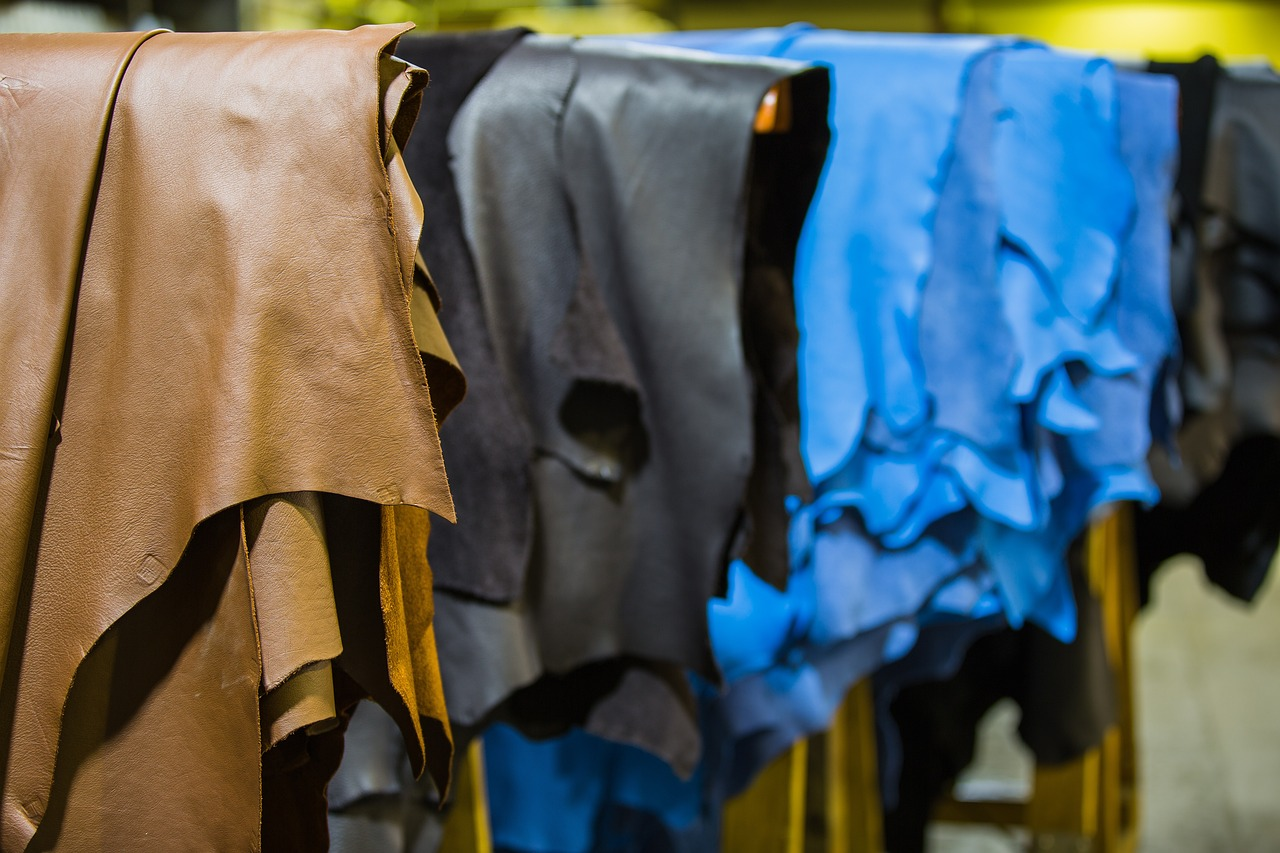
Although the price of Piñatex can vary depending on region, manufacturer and market demand, Piñatex tends to be slightly more expensive than medium to high-quality animal-derived leather.
Several reasons may explain this price difference:
- Manufacturing process: The manufacturing process of Piñatex, which involves extracting and processing pineapple fibres, as well as the dyeing and finishing stages, can be more complex and costly than that of animal leather.
- Rarity and demand: Piñatex is still considered a relatively new and innovative material and its production may not yet be carried out on a large scale. Consequently, supply may be limited compared to animal leather, which can influence the price.
- Durability: Like a precious fabric, Piñatex is perceived as a high-quality and durable material, which can justify a slightly higher price for some consumers who are concerned about ethics and sustainability.
Of course, prices vary from one manufacturer to another and according to products made from Piñatex. Manufacturer and shop brands, design and quality of product conception will influence the final price. Ultimately, the choice between Piñatex and animal-derived leather may also be influenced by ethical, environmental and aesthetic considerations.
What is the natural colour of Pinatex?
The natural colour of Piñatex is generally beige or ivory, as it is made from fibres extracted from pineapple leaves. This material can be dyed in a variety of colours to meet the needs and preferences of consumers and designers, but its base shade is often close to these natural tones.
Piñatex is available in a varied range of colours thanks to the dyeing process. Manufacturers can apply different dyes and finishes to create tones ranging from black to white through a range of bright and pastel colours. Thus, although the natural colour of Piñatex is generally neutral, there are many options available to suit different styles and aesthetic preferences.
Is Piñatex a resistant leather?
Exceptional resistance of this pineapple leather
Piñatex leather is known for its strength and durability, making it a material suitable for a variety of applications. Here are some characteristics that demonstrate its resistance:
- Wear resistance: Piñatex is designed to be resistant to daily wear and tear, making it a durable choice for clothing, accessories and interior decoration items.
- Water resistance: Although Piñatex is not 100% waterproof, the leather surface is naturally water-resistant, making it suitable for use in damp or rainy conditions.
- Tear resistance: Piñatex is generally strong and tear-resistant, allowing it to maintain its structural integrity even under rigorous use conditions.
- Fade resistance: Piñatex colours tend to be durable and fade-resistant, meaning they maintain their vibrant appearance for a long period.
- Scratch and scuff resistance: Although Piñatex can be scratched or scuffed in certain circumstances, it is generally quite resistant to abrasion, allowing it to maintain its aesthetic appearance.
Piñatex is an eco-responsible alternative to animal leather in fashion and interior decoration.
Easy maintenance of Piñatex
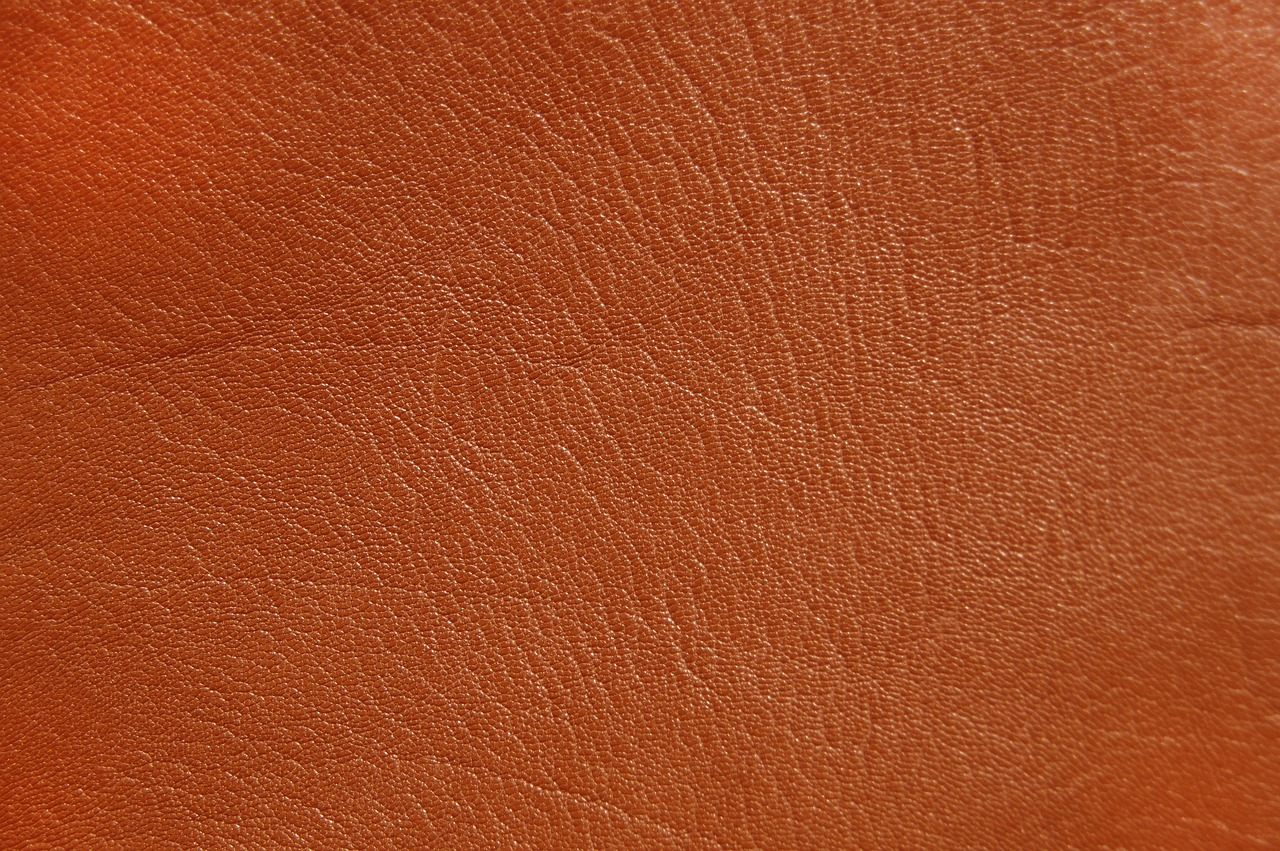
Piñatex is a relatively easy material to maintain. To clean Piñatex items, it is recommended to use warm water and mild soap. Avoid using harsh chemicals or strong detergents, as this could damage the material. After cleaning, wipe it with a clean cloth and allow it to air dry.
For stubborn stains, you can use a specific cleaner recommended by the manufacturer. It is also important to store Piñatex items in a dry place away from direct sunlight to prevent any discolouration or damage.
By following these care instructions, you can extend the lifespan of your Piñatex items and maintain their appearance and quality over time.
What are the main applications of Piñatex leather?
Piñatex is a versatile material that finds numerous applications in various fields, particularly in the fashion and interior design industries.
Piñatex in the Fashion Industry
Piñatex pineapple leather is widely used in the leather goods industry. It can now be found in shops: handbags, wallets, belts, watch straps, jewellery and many other accessories. Thanks to its texture similar to leather and its durability, it offers an ecological and elegant alternative to animal leather.
Piñatex leather shoes are becoming increasingly popular, particularly in the ethical and sustainable fashion sector. They are available in a wide variety of styles, from casual trainers to smart shoes, offering an environmentally-friendly option for all tastes and needs.
Its wear resistance and versatility make it a very attractive choice for products that require increased durability.
Piñatex in Interior Design
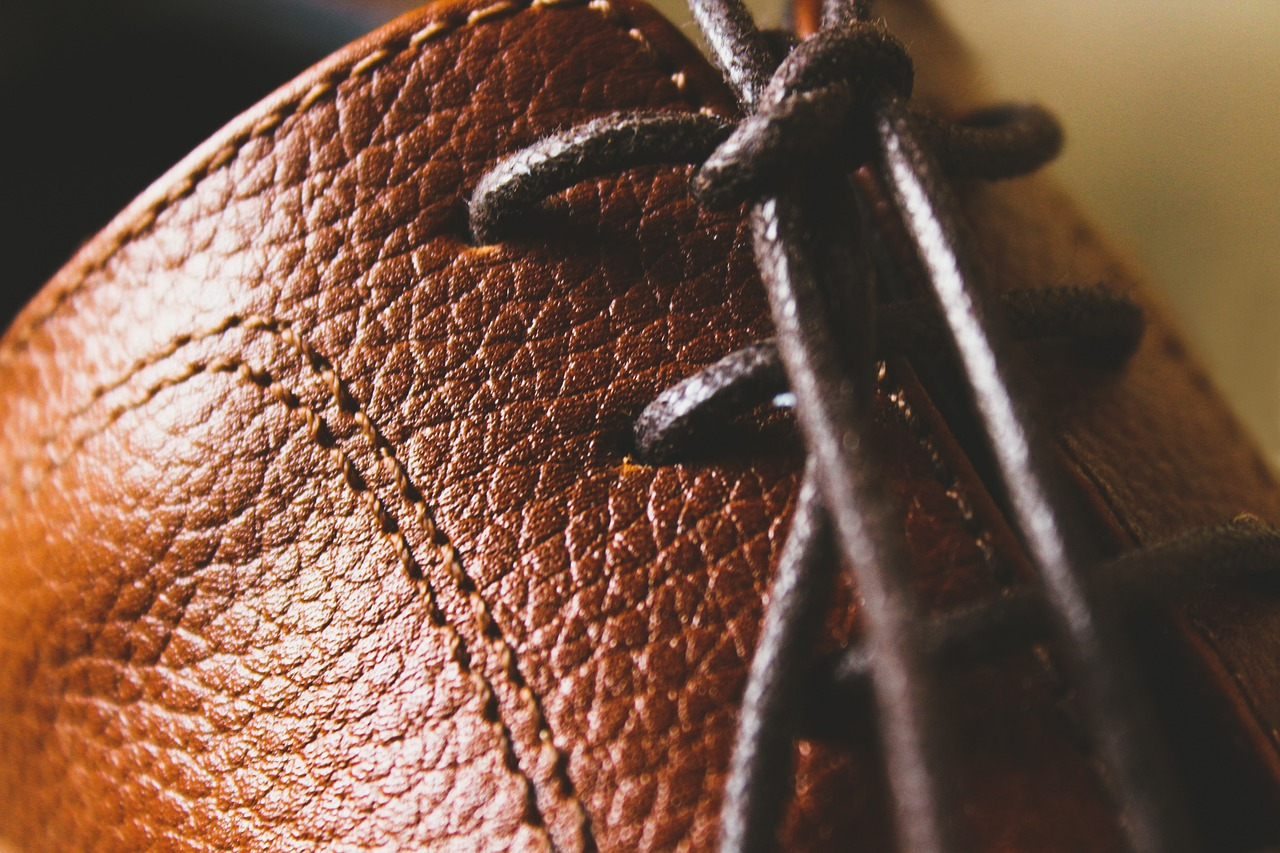
Piñatex pineapple leather is also widely used in interior decoration. This vegan leather is notably used to make cushions, rugs, furniture upholstery, wall coverings and ironmongery items such as door handles or furniture handles.
Its luxurious appearance and interesting texture make it an attractive material for adding a touch of elegance to our interior.
Piñatex is also used as a fabric in textile design for making clothing, curtains, tablecloths and other textile items. Its unique appearance and durability make it an attractive choice for fashion designers and interior designers.
Piñatex vegan leather offers an ecological and elegant alternative to animal leather in many fields, providing consumers and designers with a sustainable and environmentally-friendly option for a wide variety of products.
Plant-based leather in interior decoration
Plant-based leather meets the current demand for natural and eco-responsible materials in our interiors.
Durable and wear-resistant, this vegan leather is available in a wide variety of colours and textures, offering great design freedom for furniture and decorative accessories. Easy to maintain, this leather is an obvious alternative to animal leather for interior designers.
Pinatex leather, your eco-responsible decoration ally!
Plant-based leather can be used in many ways to add a touch of elegance and sophistication to your interior.
It is often used to cover furniture such as sofas, armchairs and chairs, where it brings a touch of luxury while being environmentally friendly.
Plant-based leather is also used to create decorative accessories such as cushions, rugs and throws, adding natural texture and warmth to any space.
How to incorporate plant-based leather into your interior decoration?
When incorporating plant-based leather into your interior decoration, make sure to consider several factors.
Make sure to harmonise the plant-based leather with other materials and textures present in the room, such as wood, metal or fabrics like cotton or linen.
Choose plant-based leather colours that complement your space's colour scheme, opting for neutral tones for a timeless appearance or bright colours for a touch of dynamism.
Design Inspiration
To inspire you in incorporating plant-based leather into your interior design, here are some decorating ideas.
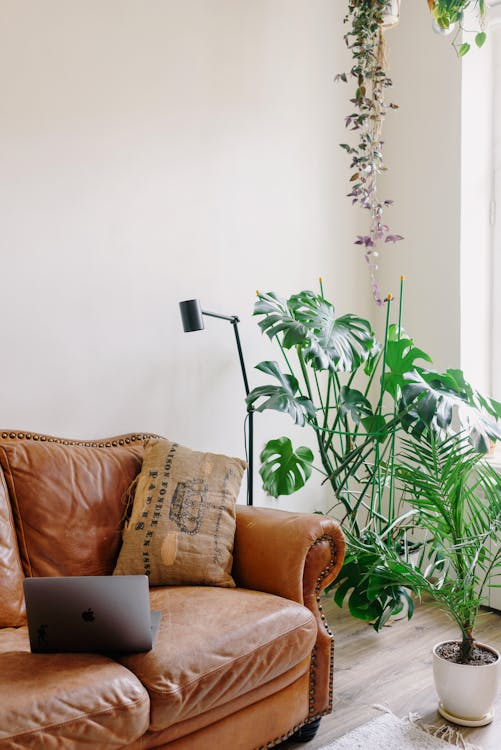
A plant-based leather sofa in a modern living room, combined with metallic accents and soft textiles for a sophisticated ambience.
Leather is highly prized for these pieces of furniture that create a warm atmosphere or give a vintage style to your living room.
Plant-based leather cushions on a bed in a bedroom, adding a touch of luxury and comfort whilst respecting the ecological aspect.
Piñatex Furniture Handles
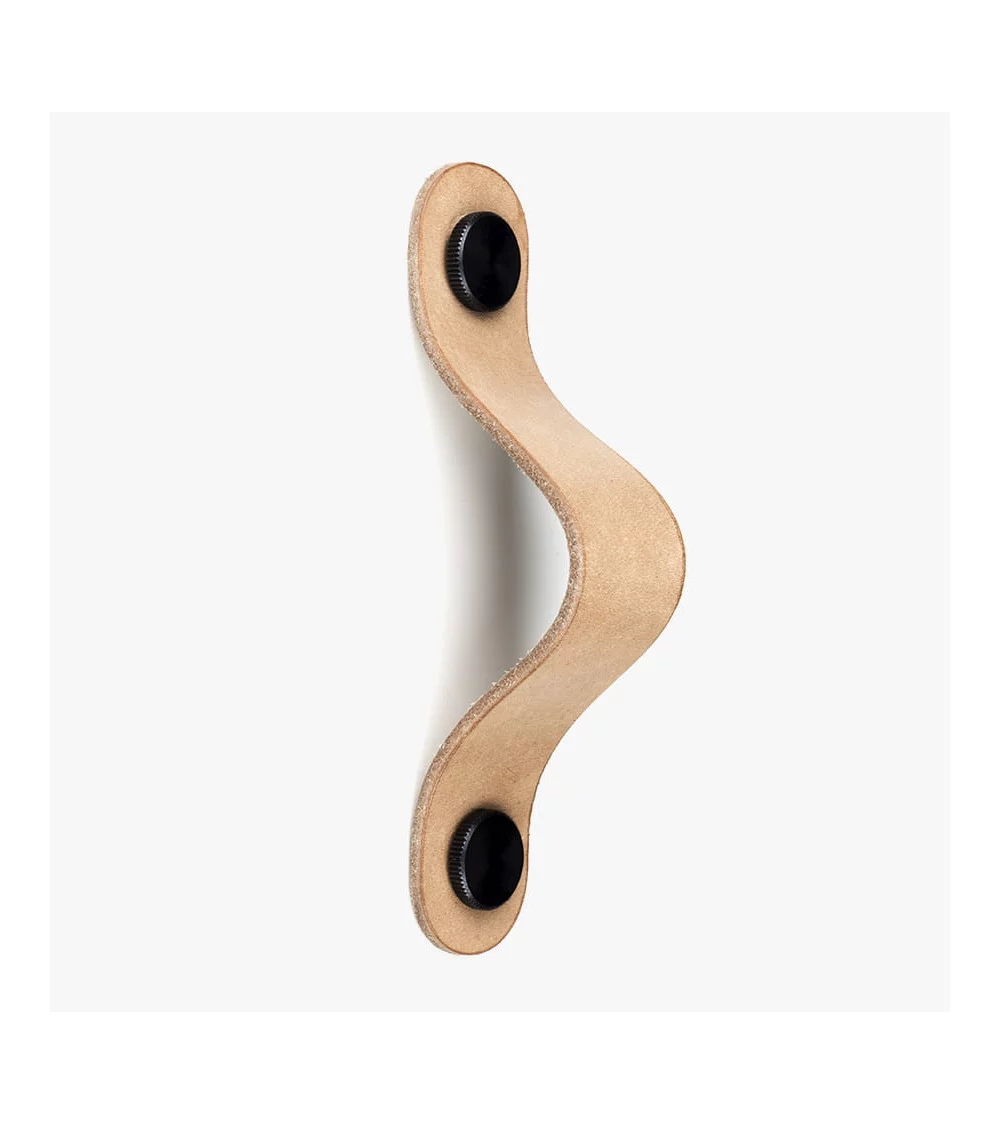
Door hardware uses sustainable materials to offer durable and environmentally-friendly products. Plant-based leather furniture handles look stunning on bedroom chest of drawers doors or on modern kitchen unit drawers. The handles are available in numerous finishes: gold, black, brown, etc.
Combining aesthetics and modernity, these handles revolutionise door dressing with their original shape and plant-based leather! You can therefore decorate your furniture and doors using natural, sustainable materials offering a finish close to full-grain leather!
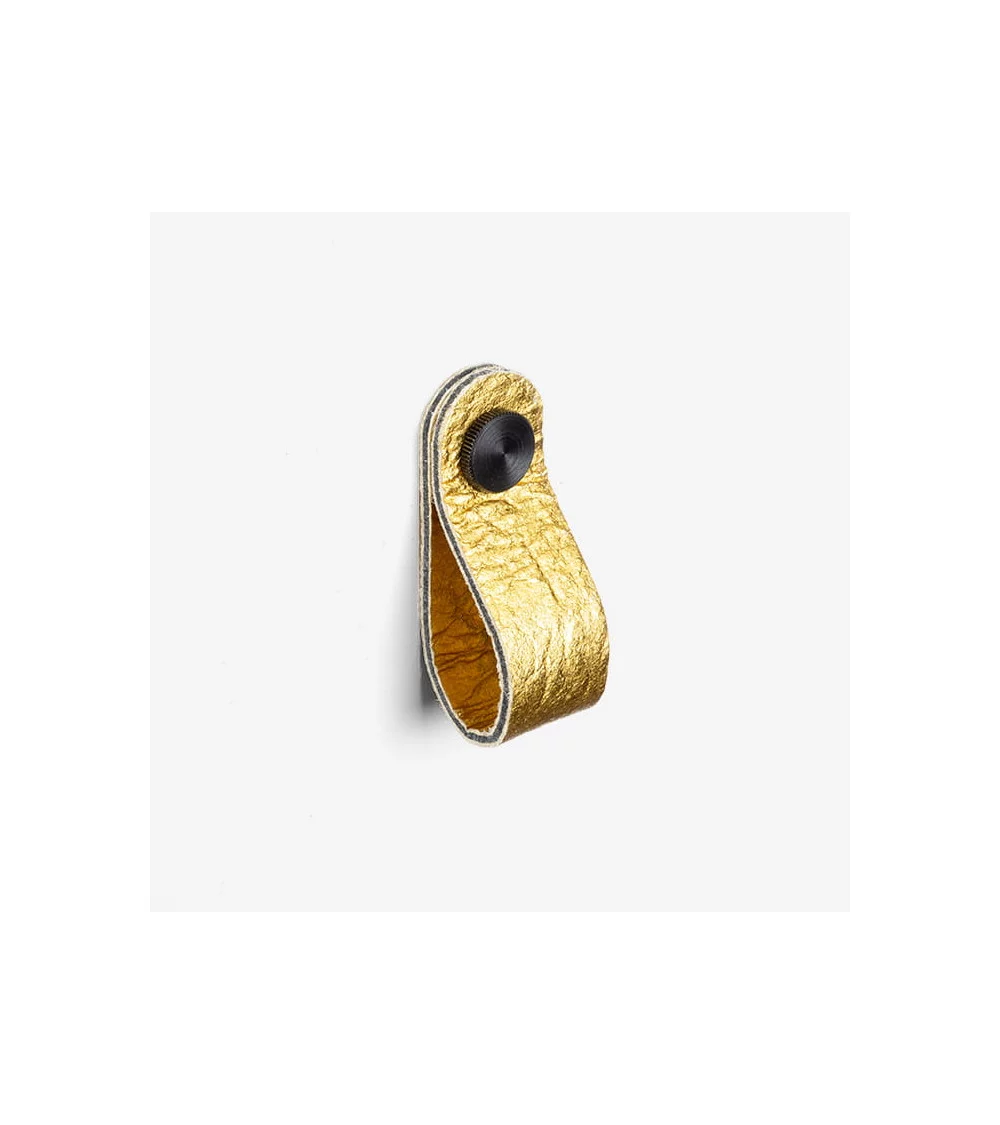
You can opt for a more colourful version of plant-based leather with this ultra chic gold finish furniture knob!
In conclusion, Piñatex plant-based leather offers a wonderful ecological and elegant alternative to animal leather in the world of fashion and interior design. By choosing plant-based leather for your furniture and decorative accessories, you will create a living space that combines style, sustainability and ethics.
Other articles that may interest you:
Comments
No comments yet!
Leave your comment