


.jpg)
.jpg)

Eco-design trend: balancing beauty and responsibility
Explore how modern interiors embrace an ecological ethic.
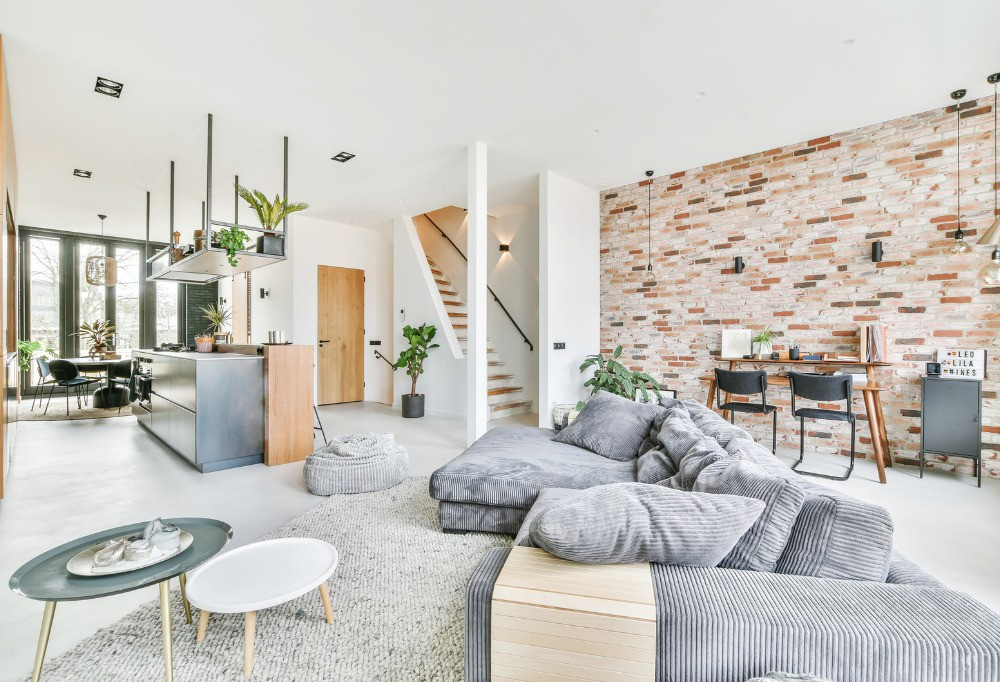
Explore how modern interiors embrace an ecological ethic.
The emergence of ecological awareness no longer needs to be demonstrated and has rapidly spread across various sectors, including interior decoration. Long considered marginal, eco-consciousness is now at the heart of concerns, where aesthetics and design coexist harmoniously with ecological and sustainable values. So, how do we balance beauty and responsibility? What are the trends that will shape eco-design for 2023?
1. Balancing beauty and responsibility: sustainable values
In a post-COVID world, the very definition of luxury has evolved. Consumers, particularly the new generations, demand that luxury brands not only reflect impeccable aesthetics but also a strong ecological ethic. This concern for combining beauty and responsibility reflects a growing commitment to the well-being of the planet.
Tangible benefits for all
In response to this demand, eco-design presents itself as the perfect symbiosis between interior design and ecological concerns. The professionals in this sector, true artists, combine creativity, aesthetic sensibility and environmental awareness to offer bespoke solutions. These solutions encompass not only the choice of sustainable materials but also layouts that promote better energy efficiency.
- Sustainable packaging: In response to the waste crisis, many designers favour eco-responsible packaging without compromising on quality.
- Eco-designed interiors: Going beyond simple aesthetics, eco-design takes into account energy efficiency, space optimisation and the well-being of occupants.
Recently in the world of interior design, rather than focusing solely on the appearance and function of products, some designers also seek to convey important social messages through their work. Door handles have become key pieces favoured by interior designers.
2. Leading trends in eco-design
Current trends show a strong inclination towards design focused on nature and technology. Let us discover these trends together!
2.1 Greening and biophilic design
Nature is making a powerful comeback in our interiors. Biophilic design, which seeks to recreate a natural environment indoors, is establishing itself as a major trend in recent years. This approach is not limited to integrating plants into your space — a wide choice of trending materials serves eco-design. It can be as simple as choosing:
- Natural materials: The use of wood, stone, glass, or even organic materials such as cork, bamboo or porcelain, simply through wooden door handles or furniture
- Water features: For those seeking a stronger connection with nature, interior designers recommend the use of simple indoor fountains to integrated ponds. A small fountain on a worktop allows you to hear the peaceful sound of flowing water throughout the day.
- Living wall: It promises to be the most suitable decoration option for most modern interiors, and is also a true must for the eco-responsible.
Think about renovating your interior with:
- freshly cut flowers, field plants, large-flowered plants and inflorescences.
- dried plants: Cotton, heather, meadow grass — if your eco-interior tends towards muted grey-beige tones, they will be very useful.
- moss compositions: Moss indoors is a very hot trend in 2023. With it, you can create a separate vertical panel, design a three-dimensional picture or figure, or simply cover an entire wall with it. Experts in this field cultivate species with varied textures and shades for this purpose.
- Natural light: Biophilic design focuses on increasing natural light, particularly by positioning mirrors facing windows to amplify its effect. Opting for natural materials promotes better air quality while reducing chemical pollution from synthetic products. By prioritising natural light as the primary source of lighting, electricity consumption is significantly reduced.
It is worth knowing that biophilic design offers proven health benefits, such as enhanced productivity, improved mental well-being and reduced stress.

2.2 Eco-conscious design
Sustainability is becoming an essential criterion in decoration. Using environmentally friendly materials, opting for eco-energy systems or favouring furniture made from recycled materials such as zamak, which has been increasingly popular in recent years. All these approaches display a strong commitment to the planet while offering unique and aesthetic design to our living spaces.
Eco-design applies as much to residential spaces as to professional environments. Specialist agencies offer bespoke fittings for businesses, creating offices that are both practical and environmentally friendly. Moreover, they offer home staging services, transforming unoccupied spaces into warm and inviting places.
Conscious interior design is here to stay, and sustainable design will only grow in popularity.

2.3 Technology and eco-design
The ecological style is today unthinkable without environmentally friendly technologies. Heat recovery systems, solar systems and condensing boilers, biogas as fuel and heat pumps, wind turbines and solar panels are no longer fantastical, and engineers are increasingly proposing new developments. Thus, in 2023, supporters of eco-design will be able to appreciate the following innovations:
- large-format air conditioning windows with maximum light transmission and strong heat-saving potential;
- glass folding systems for the front door, allowing as much natural light as possible to enter the home;
- Cold ceiling systems are environmentally friendly, energy-efficient and capable of maintaining an optimal indoor climate;
- sustainable home water purifiers;
- entirely LED lighting sources throughout the home, as they far outperform conventional bulbs thanks to their energy efficiency, affordable price and, of course, their environmental friendliness.
3. Design centred on values
One thing is certain: interior eco-design is a fascinating and constantly evolving profession. Interior decoration professionals are constantly on the lookout for the latest trends in sustainable materials, ecological construction techniques and innovative solutions for environmentally friendly interior design. They also closely follow developments in standards and eco-design certifications, notably the RNCp label — the National Directory of Professional Certifications.

At Milla Poignées, we place sustainability at the heart of our concerns, offering products that respect the balance between design and responsibility.
Whether you are an interior designer or a homeowner looking to breathe new life into your space, these trends will offer you an inexhaustible source of inspiration. If you work in the world of design, adopting these trends in your projects will set you apart and captivate your audience. Staying at the forefront of interior decoration trends is crucial for offering a quality service. For handles that reflect the latest trends, discover our magnificent catalogue on Milla Poignées and give your spaces that perfect finishing touch.
Comments
No comments yet!
Leave your comment