


.jpg)
.jpg)

Wood screws, metal screws or through screws, how to choose the right type of screw?
Our expert tips and advice for choosing between wood screws, metal screws or through screws.
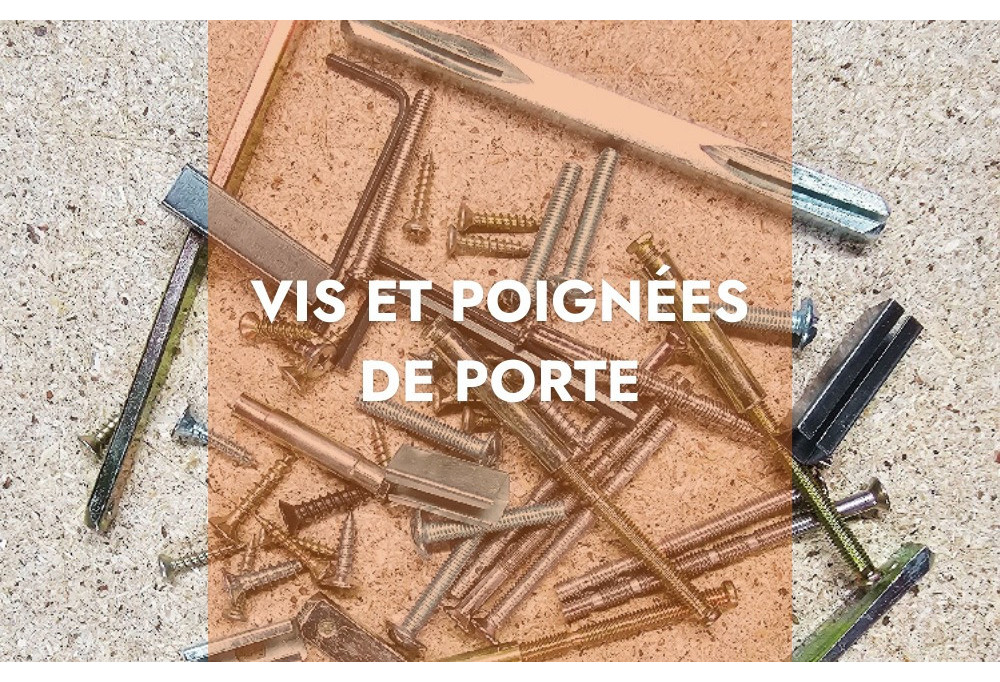
Our expert tips and advice for choosing between wood screws, metal screws or through screws.
"Screws? I know all about them!" But are you really sure? Faced with a choice that may seem simple on the surface, we often forget that fixings have their own little quirks, especially when it comes to fitting a door handle. To understand this properly, let us take a closer look at the three main categories of screws with very specific functions that you are likely to encounter regularly: wood screws, metal screws and through screws. Throughout this guide article, you will find tips as well as a few expert tricks to help you choose wisely and above all avoid unpleasant surprises. Because here, we want everything to hold firm and look impeccable!
Wood screw
Wood screws play a central role in the field of joinery and wood construction. They are designed to provide maximum grip in wood materials to ensure a solid fixing. These screws are perfect for wooden doors and furniture, or timber frames.

Their wide, deep thread allows them to be firmly inserted into the wood, while their sharp point penetrates easily and smoothly into the material. The head shapes of wood screws can vary. You will find flat, countersunk or round heads depending on the type of fixing intended. These screws can be made of steel, stainless steel, or even brass, often coated with an anti-corrosion layer for maximum protection. Of course, every choice matters, and you must carefully select the size and screw head that best suits the intended application.
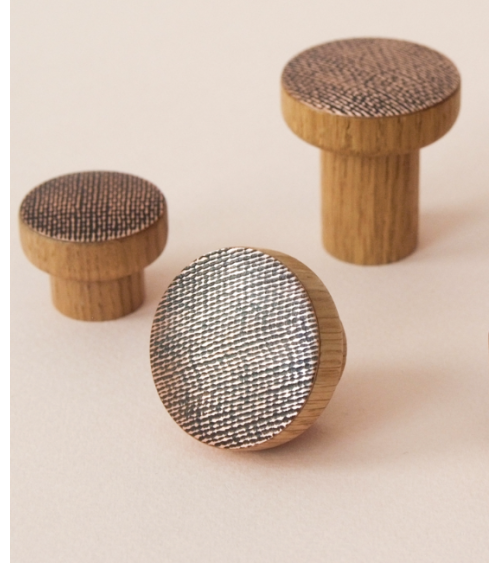
Practical tip: to avoid splitting the wood (appearance of a large vertical crack), do not underestimate the importance of the screw size and its shape. This is what allows your fixing to last over time.
To find out more: discover the mistakes to avoid when installing a door handle.
Metal screw
When metal materials come into play, it becomes essential to have a fixing that can withstand heavier loads. Metal screws are made for this! Particularly used for assembling metal plates or for industrial installations, they are also perfect for fixing a handle to a metal door.

Their thread is fine, regular, and above all, designed to penetrate metals with precision. With a standard diameter of 4 mm, these screws often require pre-drilling and a nut fixing to guarantee a reliable hold.
Warning: only use metal screws to fix your furniture knobs. Unsuitable screws may not hold properly or may damage the material.
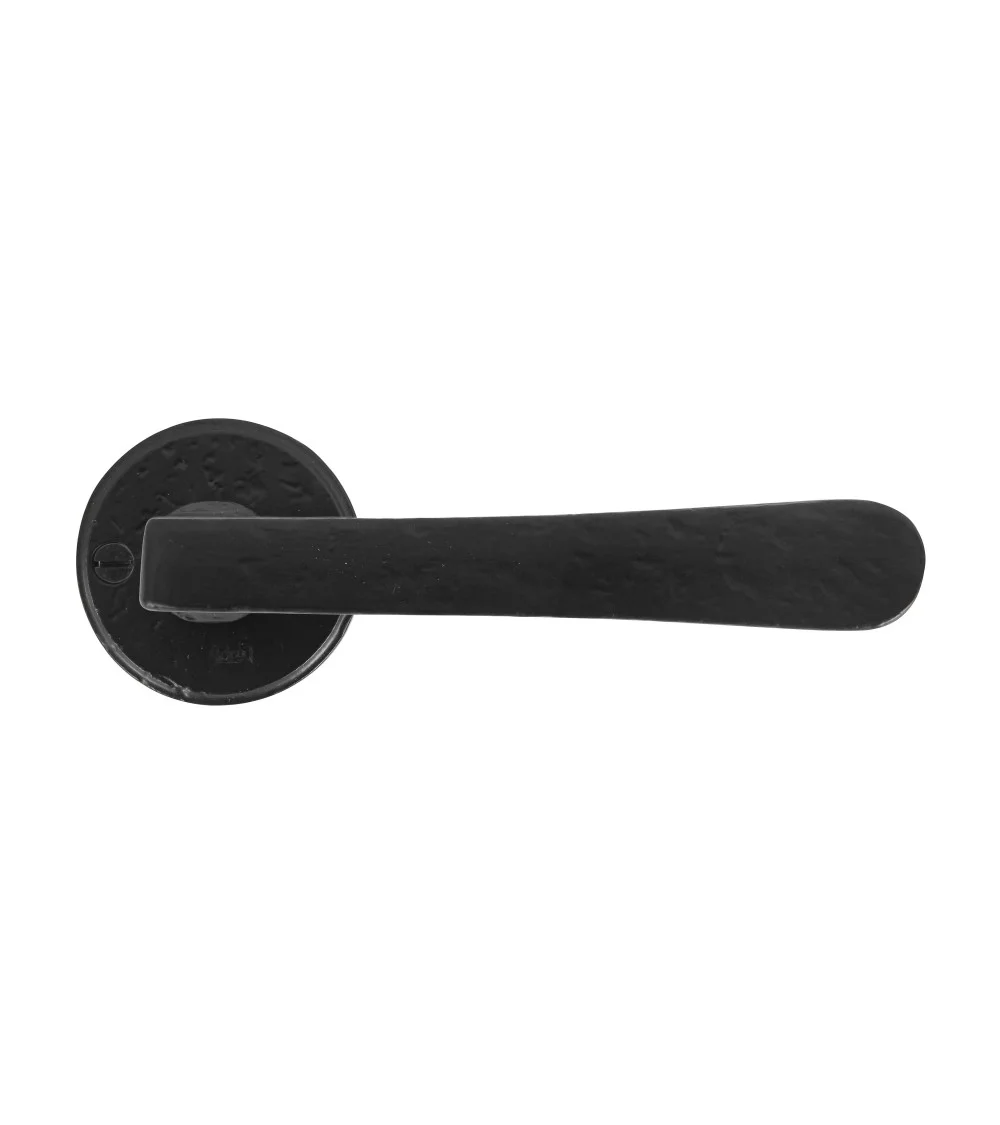
Metal screws are available in several standard sizes, the most common are as follows:
| Size | Diameter |
|---|---|
| M3 | 3 mm |
| M4 | 4 mm |
| M5 | 5 mm |
| M6 | 6 mm |
| M8 | 8 mm |
| M10 | 10 mm |
Good to know: stainless steel or hardened steel screws are ideal options to ensure the longevity of your installation. Do not overlook the quality of the fixings either, as this guarantees not only a better hold, but also a clean and neat finish.
Are you looking for a metal door handle to complete your industrial-style décor?
see our industrial door handles
Through screws
Through screws, for their part, are the option for robust assembly, when it is necessary to pass through two materials while holding them firmly in place with a nut. Perfect for thick structures, heavy furniture or even certain architectural elements, these screws leave no room for error!

This type of screw, whose thread can be partial or full, is designed to pass from one side to the other of the materials, ensuring a stable and long-lasting assembly. When it comes to through screws, steel and stainless steel are considered the materials of choice, as they withstand pressure and ensure a long-lasting hold.
Practical tip: adapt the size of the screw and nut to the thickness of the materials you wish to assemble. Also use washers for a perfect adjustment.
Good to know: at MILLA POIGNÉES, all our interior handles are supplied with their installation kit: 4 mounting adapters, an 8x8 mm square spindle, 4 through screws, 2 Allen screws and a suitable 3 mm key. For doors from major brands, remember to specify this when placing your order, as a 7x7 mm spindle may be required. For detailed advice, consult our guide "How to correctly install a door handle".
Comparison of the 3 types of screws
| Screw type | Characteristics | Example of Use |
|---|---|---|
| Wood screw (for solid fixings in wood) |
Robust screws for enhanced grip in wood, ideal for furniture, decorative elements or wooden door handles. | Door handle fitting, assembly of wooden furniture. |
| Metal screw (perfect for metal) |
A fine thread, a precise diameter to guarantee optimum fixing in metal. Often require pre-drilling and a nut fixing. | Fixing handles to metal doors, industrial assemblies. |
| Through screw (for a permanent fixing) |
Ideal for robust assemblies, passing from one side to the other of the material with a nut fixing. | Assembly of wooden or metal structures, solid fixings for thick pieces. |

Thus, each screw has its own specific role, characteristics and unique advantages. Whether you want to fit a handle, reinforce a structure or ensure the stability of an installation, making the right choice between wood screws, metal screws and through screws ensures the longevity and reliability of your project. Remember that it is often the details that make the biggest difference!
To complement your reading and refine your knowledge on choosing and installing your handles, do not hesitate to consult our guide on the right size for your door handle.
Comments
No comments yet!
Leave your comment